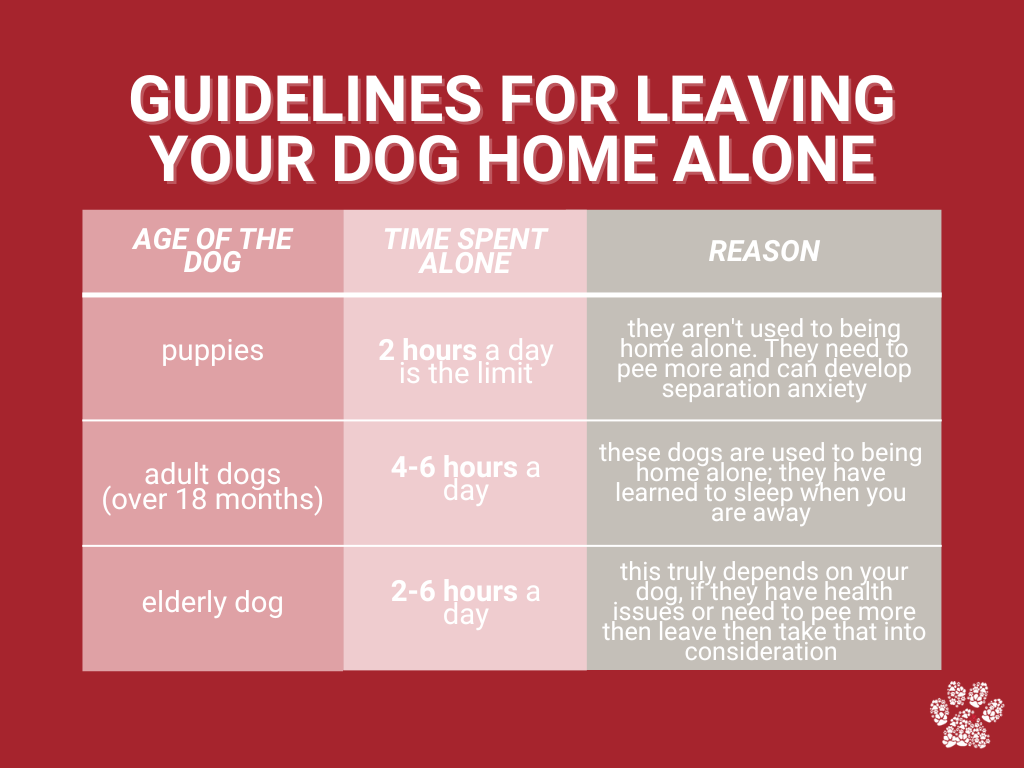
Most healthy adult dogs can usually stay home alone for about 4 to 6 hours, but the safe limit depends on age, health, bathroom needs, training, and the dog’s ability to handle separation.
Across the United States, many dog owners balance work, school, errands, and family duties while caring for pets at home. The question of how long can a dog stay home alone does not have one fixed answer because every dog has different physical and emotional needs. A young puppy, an older dog, and a healthy adult dog may have very different limits.
A dog’s time alone should be planned around comfort and safety rather than a maximum number of hours. Dogs need regular bathroom breaks, mental activity, water access, and a secure environment. Long periods alone may increase the risk of stress, destructive behavior, accidents, or health problems in some dogs.
This guide explains practical limits by age group, the factors that change those limits, and ways to help a dog stay home alone safely. It focuses on general guidance and does not replace advice from a veterinarian or qualified dog behavior professional when a dog has medical or serious behavior concerns.
Source: woundedpawproject.org
How Long Can A Dog Stay Home Alone Safely?
For many healthy adult dogs, staying home alone for about 4 to 6 hours is a reasonable general guideline. Some well-trained dogs may manage longer periods occasionally, while others may become stressed much sooner. The correct limit depends on the individual dog rather than age alone.
Dogs are social animals, and they often form strong bonds with their owners. Being alone for a normal part of the day is not harmful for every dog, but a lack of routine, stimulation, or bathroom opportunities can create problems.
The best approach is to judge your dog’s behavior before, during, and after alone time. A dog that rests calmly, drinks normally, and behaves as usual after you return is showing signs that the routine may be working.
Source: pawmaw.com
Adult dogs
Many adult dogs can stay alone for several hours if they have water, a safe space, exercise, and a predictable routine.
Puppies
Puppies usually need shorter alone periods because they need frequent bathroom breaks and social learning.
Senior dogs
Older dogs may need more frequent breaks because of changes in bladder control, mobility, or medical needs.
How Age Changes A Dog’s Alone Time Limit
Age is one of the biggest factors that affects how long a dog can stay home alone. Puppies and senior dogs often have needs that make long periods alone more difficult.
A puppy is still learning bladder control, household rules, and emotional independence. Leaving a very young puppy alone for many hours can slow training and may create fear or frustration.
Adult dogs often have better control and predictable habits, but they still need exercise, attention, and mental stimulation. Senior dogs may appear independent but can need more frequent care due to physical changes.
Source: worldanimalfoundation.org
Young puppies
Short absences with gradual training are usually better than immediately leaving a puppy alone for a full workday.
Adult dogs
A healthy adult dog with good training often adapts best to regular alone time.
Older dogs
Senior dogs may need shorter periods alone if they have medical conditions or reduced mobility.
A General Age-Based Guide
The following table is a general guide, not a strict rule. Individual dogs may need more frequent care.
Puppies under 3 months
Usually need very short alone periods with frequent potty opportunities and supervision.
Puppies and young dogs
Can gradually build independence through training and short practice sessions.
Adult dogs
Often handle several hours alone when their physical and emotional needs are met.
Senior dogs
May require adjustments based on health, medication, and bathroom needs.
Factors That Decide How Long A Dog Can Be Alone
Two dogs of the same age may have different limits because many personal factors affect alone-time tolerance. A calm adult dog may handle separation better than a younger dog with anxiety.
Before deciding on a schedule, consider your dog’s physical needs, personality, training history, and daily routine. A dog that receives enough exercise and attention before being left alone often copes better.
Source: goldendailyscoop.com
Bathroom needs
Dogs need enough opportunities to relieve themselves. Medical issues can make bathroom breaks more frequent.
Exercise level
High-energy dogs may struggle if they spend long periods without activity or enrichment.
Training and routine
Dogs often feel safer when alone time follows a predictable pattern.
Separation concerns
Dogs with separation anxiety may show distress even after a short absence.
Breed And Personality Differences
Breed traits can influence energy levels and social needs, but breed alone does not determine whether a dog can stay alone. Individual temperament and life experience are often more important.
A calm dog that enjoys resting may tolerate alone time better than an active dog that needs frequent engagement.
Energy level
Dogs with high activity needs may require more exercise before being left alone.
Individual temperament
Confidence, past experiences, and training affect how each dog responds.
How To Prepare A Dog For Staying Home Alone
Dogs usually learn to handle alone time gradually. The goal is to teach that departures are normal and that the home remains a safe place when the owner leaves.
Preparation starts before the door closes. A dog with exercise, enrichment, and a comfortable environment is more likely to settle calmly.
Source: i.ytimg.com
Start with short absences
Leave for a few minutes and slowly increase the time as your dog stays relaxed.
Create a safe area
Use a comfortable space where the dog can rest without access to hazards.
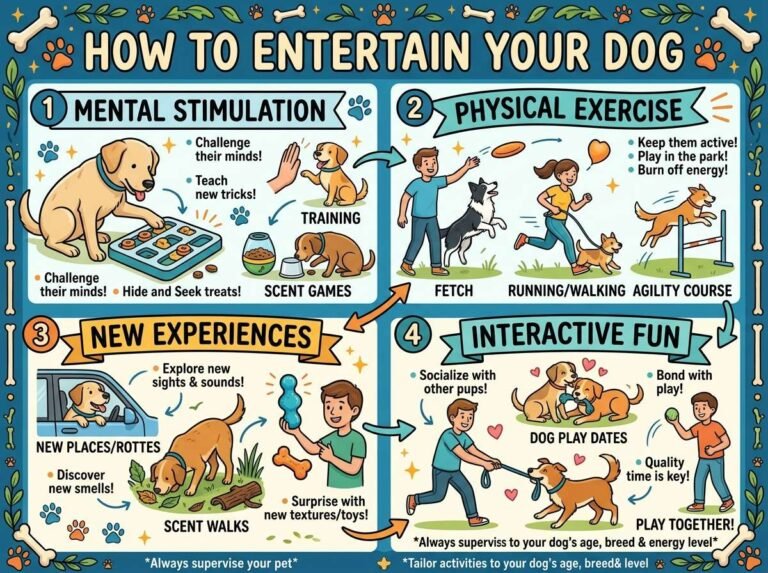
Provide enrichment
Safe toys and activities can help prevent boredom when appropriate for the dog.
Keep departures calm
Avoid making leaving and returning overly emotional events.
Signs The Training Is Working
Successful alone-time training usually looks like a dog that settles after you leave, rests during the absence, and behaves normally when you return.
Calm behavior
The dog is relaxed instead of constantly searching for you.
No damage or panic signs
The home remains safe and the dog does not show obvious distress.
Warning Signs A Dog Is Being Left Alone Too Long
A dog may communicate that alone time is too difficult through behavior changes. These signs should be viewed as information about the dog’s needs rather than simple disobedience.
If a dog repeatedly shows distress, increasing the time alone may make the problem worse. A slower training plan or professional guidance may be needed.
Source: 1.bp.blogspot.com
Destructive behavior
Chewing doors, furniture, or objects may be linked to boredom, stress, or anxiety.
Excessive vocalization
Repeated barking, whining, or howling can indicate discomfort.
House accidents
Unexpected accidents may signal a medical issue, stress, or a need for more breaks.
Panic behavior
Attempts to escape or severe distress require attention and may need professional help.
Common Mistakes When Leaving A Dog Alone
Many problems happen because owners increase alone time too quickly or overlook their dog’s individual needs. Small changes can make a major difference in comfort and safety.
Source: pippinpetsdogtraining.co.uk
Leaving too much time too soon
Dogs need gradual practice rather than sudden long absences.
Skipping exercise
Unused energy can make some dogs restless or destructive.
Ignoring behavior changes
New signs of stress should be investigated instead of dismissed.
Frequently Asked Questions
Q
Can I leave my dog alone for 8 hours while I work?
Some adult dogs may tolerate an occasional 8-hour absence, but it is not suitable for every dog. Many dogs need a bathroom break, interaction, and activity before or during that period.
Q
How long can a puppy stay home alone?
Puppies generally need much shorter alone periods than adult dogs. Their age, bladder control, training progress, and confidence should guide the schedule.
Q
Do dogs get lonely when left alone?
Dogs can experience loneliness or stress when alone, especially if they lack training, stimulation, or a predictable routine. Many dogs can learn to relax during normal daily absences.
Q
Should I leave the TV or music on for my dog?
Some dogs may find background sound comforting, but it is not a replacement for exercise, training, or addressing separation problems.
Q
When should I contact a veterinarian or behavior professional?
Seek help if your dog shows severe anxiety, self-injury, sudden behavior changes, or symptoms that could indicate a medical problem.
✦ Wrapping Up
Conclusion
The answer to how long can a dog stay home alone depends on the individual dog. Many healthy adult dogs can handle several hours alone, but puppies, seniors, and dogs with health or anxiety concerns often need different care plans.
A safe alone-time routine combines gradual training, a secure home, exercise, mental enrichment, and attention to behavior changes. The goal is not simply leaving a dog alone for the longest possible time, but creating a routine where the dog remains comfortable and healthy.
💡 Key Takeaway
Start with your dog’s current ability, increase alone time slowly, and adjust the routine whenever your dog shows signs that the schedule is too difficult.