Why Is My German Shepherd Not Eating? Causes, Warning Signs, and What to Do
If you are asking, “why is my German Shepherd not eating,” start by looking at the whole dog, not just the food bowl. A missed meal can happen for a simple reason, such as stress or a change in food. But a sudden loss of appetite can also be an early sign of pain or disease.
German Shepherds are large, active dogs, so a clear change in eating habits is worth noticing. Think about what changed in the last day or two. A new food, move, visitor, hot day, stressful event, medicine, or change in routine can all affect appetite. If your dog also has vomiting, diarrhea, pain, weakness, breathing trouble, or other unusual signs, the situation deserves more attention.
Why Is My German Shepherd Not Eating?
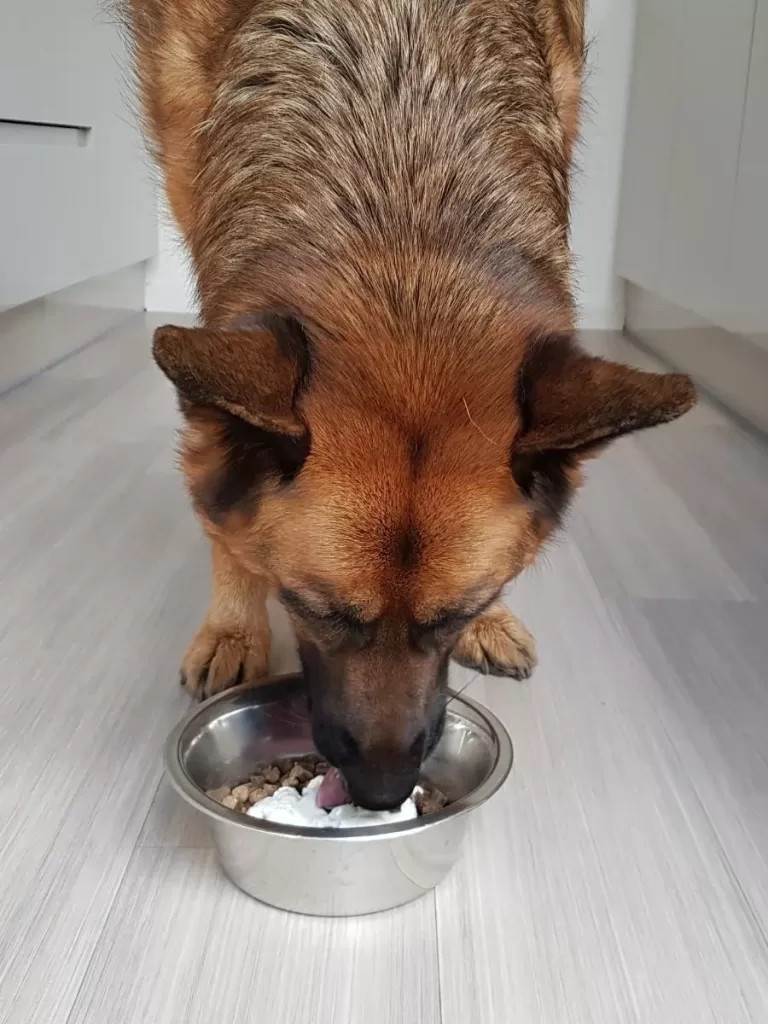
There is no single answer to why is my German Shepherd not eating. Dogs can lose interest in food for mild reasons, but appetite loss can also happen with health problems. The key is to look for other changes at the same time.
Some dogs skip food when they feel stressed or when their normal routine changes. Others stop eating because chewing hurts, their stomach feels bad, or they feel sick. Older dogs may also eat less when pain or chronic disease affects them.
A short change in appetite is not always an emergency. Still, do not ignore a clear change that lasts or comes with other symptoms. Your veterinarian can help find the cause when the reason is not clear.
- ✦ Stress or anxiety
Travel, guests, fireworks, moving, boarding, or a new pet can reduce appetite for some dogs.
- ✦ Food problems
A sudden food change, stale food, a different texture, or a spoiled product may make a dog refuse a meal.
- ✦ Mouth pain
Dental disease, sore gums, a broken tooth, or something stuck in the mouth can make eating painful.
- ✦ Stomach upset
Mild digestive upset can cause poor appetite, nausea, vomiting, loose stool, or gas.
- ✦ Illness or pain
Infections, organ problems, injury, and other illnesses can cause a dog to lose interest in food.
Look for a Change From Your Dog’s Normal Pattern
The best clue is often your dog’s normal behavior. If your German Shepherd usually runs to the bowl but suddenly walks away, take note. A dog that skips food but plays, drinks, rests, and acts normal may need less urgent attention than a dog that refuses food and seems weak.
Write down when your dog last ate a normal meal. Also note water intake, bowel movements, vomiting, activity, and any new food or medicine. These details can help your veterinarian understand what may be happening.
Common Reasons a German Shepherd Stops Eating
When people ask why is my German Shepherd not eating, the cause often falls into one of a few broad groups. These include behavior, food, mouth problems, digestive issues, pain, and disease. Finding the pattern can help you decide what to do next.
Do not assume that a picky eater is simply being stubborn. Dogs can learn to wait for treats or table food, but a sudden change is different. A dog that normally eats well and suddenly refuses meals deserves closer observation.
- ✦ Too many treats
Frequent treats, chews, scraps, or high-calorie snacks can make a dog less hungry at meal time.
- ✦ Heat
Some dogs eat less during very hot weather. Make sure fresh water and a cool resting place are available.
- ✦ Routine changes
A new feeding time, new home, travel, or changes in family routines may affect appetite.
- ✦ Medication
Some medicines can change appetite or cause nausea. Ask your veterinarian if a medicine may be affecting your dog.
- ✦ Pain
Pain from the mouth, stomach, joints, injury, or another body area can reduce interest in food.
Stress Can Affect Appetite
Dogs notice changes in their surroundings. A move, loud noise, unfamiliar visitors, boarding stay, or conflict with another pet may cause stress. Some dogs respond by eating less for a short time.
Give your dog a calm place to rest and keep meals on a steady schedule. Avoid forcing food into the mouth. If appetite does not return or other signs appear, contact your veterinarian.
Food Changes Can Trigger Refusal
A new brand or recipe can smell and taste different from the food your dog knows. Some dogs accept a change at once, while others need a gradual switch. A sudden diet change can also upset the stomach.
Check the food package for its expiration date and inspect the food for unusual odor or appearance. Store dry food in a clean, dry place and follow the storage directions on the package.
Health Problems That Can Cause Appetite Loss
A major concern when asking why is my German Shepherd not eating is an illness that needs treatment. Appetite loss can occur with many health problems, and it does not point to one specific disease.
Digestive problems may cause nausea, vomiting, diarrhea, belly discomfort, or gas. Dental pain may make a dog interested in food but unwilling to chew. Other illnesses can cause appetite loss along with changes in energy, thirst, urination, breathing, or body condition.
A veterinarian may need to examine your dog to tell these problems apart. Do not try to diagnose a serious illness from appetite loss alone.
- ✦ Dental disease
Sore teeth, gum disease, oral inflammation, or a broken tooth can make eating painful.
- ✦ Gastrointestinal disease
Stomach or intestinal problems may cause poor appetite, vomiting, diarrhea, pain, or nausea.
- ✦ Infection
Many infections can reduce appetite while causing fever, tiredness, pain, or other signs.
- ✦ Pain or injury
A painful injury or another source of pain can make a dog less interested in food.
- ✦ Organ disease
Problems involving organs such as the liver or kidneys can affect appetite and may cause other changes.
- ✦ Foreign object
A swallowed object can cause a blockage or other serious problem. Vomiting, belly pain, weakness, or repeated refusal of food can be warning signs.
Dental Pain Can Be Easy to Miss
A German Shepherd may seem hungry but still avoid food when chewing hurts. You may notice slower eating, dropping kibble, chewing on one side, bad breath, drooling, or a preference for soft food.
Do not force your dog to open its mouth if it seems painful. A veterinarian can safely examine the mouth and decide whether dental care is needed.
Stomach and Intestinal Problems
Mild stomach upset can reduce appetite for a short time. More serious digestive problems can cause repeated vomiting, diarrhea, pain, dehydration, or marked weakness.
If your dog has ongoing digestive signs or cannot keep water down, seek veterinary advice. Do not give human stomach medicines unless a veterinarian specifically recommends them.
When Is a German Shepherd Not Eating an Emergency?
Not every missed meal is an emergency. However, appetite loss becomes more concerning when it appears with severe or fast-changing symptoms. The combination of signs matters more than the food refusal alone.
German Shepherds are also at risk of gastric dilatation-volvulus, often called bloat. A swollen or painful belly, repeated attempts to vomit with little or nothing coming up, restlessness, weakness, pale gums, collapse, or trouble breathing can be signs of a life-threatening emergency.
If your dog shows these signs, do not wait for appetite to return. Contact an emergency veterinary hospital right away.

- ✦ Swollen or painful abdomen
A suddenly enlarged, tight, or painful belly needs urgent veterinary attention.
- ✦ Repeated unproductive retching
Repeated attempts to vomit with little or nothing produced can be a serious warning sign.
- ✦ Collapse or severe weakness
A dog that collapses, cannot stand normally, or becomes extremely weak needs urgent care.
- ✦ Trouble breathing
Breathing difficulty is an emergency and should not be watched at home.
- ✦ Repeated vomiting
Repeated vomiting can lead to dehydration and may signal a serious problem.
- ✦ Possible poisoning
If you think your dog ate a toxic substance, contact a veterinarian or animal poison service promptly rather than waiting for symptoms.
Signs That Need Prompt Veterinary Attention
Call your veterinarian promptly if your German Shepherd refuses food and also seems unwell. This includes marked tiredness, pain, repeated vomiting, persistent diarrhea, fever, changes in drinking or urination, or a sudden change in behavior.
Puppies, older dogs, and dogs with known medical problems may need closer monitoring because their needs can differ from those of a healthy adult dog. When in doubt, call your veterinary clinic and describe the full set of symptoms.
What to Do if Your German Shepherd Will Not Eat
If your dog seems otherwise well after missing a meal, stay calm and observe. Make sure clean water is available and offer the normal food at the usual meal time. Keep the feeding area quiet and free from pressure.
Avoid turning every missed meal into a long menu of new foods. Offering many treats or table scraps can make it harder to tell whether your dog has a real appetite problem. It can also upset the stomach.
If the problem continues, contact your veterinarian. The right response depends on your dog’s age, health, symptoms, and how long the appetite change has lasted.

- ✦ Check the food
Make sure the food is fresh, stored correctly, and not suddenly different from what your dog normally eats.
- ✦ Check water access
Keep fresh water available and watch for major changes in drinking.
- ✦ Keep the setting calm
Feed your dog in a quiet area away from loud noise, children, or other pets that may cause stress.
- ✦ Limit extra treats
Avoid filling the gap with many treats, scraps, or rich foods.
- ✦ Track symptoms
Record eating, drinking, vomiting, stool, urination, activity, and other changes.
- ✦ Contact your veterinarian
Ask for veterinary advice when appetite loss persists, returns often, or comes with other symptoms.
Should You Force Your German Shepherd to Eat?
Do not force food into your dog’s mouth unless a veterinarian has given you a specific feeding plan. Force-feeding can cause stress and may increase the risk of food entering the airway.
A veterinarian may recommend a particular diet, feeding method, or treatment after finding the cause. Follow that plan rather than trying several home remedies at once.
What About Chicken, Rice, or Other Home Foods?
People often use simple foods when a dog has an upset stomach, but there is no one diet that fits every cause of appetite loss. Some conditions need a prescription diet, medication, fasting under veterinary guidance, or another specific plan.
If your veterinarian recommends a temporary bland diet, follow the exact instructions. Avoid rich, fatty, seasoned, or unsafe foods.
How to Check Your German Shepherd at Home
A simple home check can help you describe the problem to your veterinarian. It does not replace a veterinary exam. Focus on changes that are easy to observe without causing your dog discomfort.
Look at your dog’s overall behavior first. A dog that refuses food but remains bright and comfortable is different from one that hides, pants, trembles, seems painful, or cannot settle.

- ✦ Energy
Notice whether your dog is acting normal, tired, weak, restless, or unable to get comfortable.
- ✦ Water
Note whether your dog is drinking normally, much more than usual, or much less than usual.
- ✦ Mouth
Look for obvious swelling, bleeding, drooling, bad breath, or difficulty chewing, but do not force the mouth open.
- ✦ Stool
Watch for diarrhea, blood, black stool, mucus, or a major change from normal bowel movements.
- ✦ Vomiting
Record whether vomiting occurs, how often it happens, and whether your dog can keep water down.
- ✦ Belly
Watch for a swollen, tight, or painful abdomen. Do not press hard on a painful belly.
Keep a Simple Appetite Log
An appetite log can make a veterinary visit much more useful. Record the time and amount your dog eats, water intake, treats, vomiting, stool, activity, and any new foods or medicines.
If the question why is my German Shepherd not eating comes up again, these notes may help reveal a pattern. They can also help your veterinarian decide what tests or treatment may be appropriate.
How Long Can a German Shepherd Go Without Eating?
There is no safe universal number of hours that applies to every German Shepherd. A healthy adult dog may miss a meal for a simple reason, but that does not mean prolonged fasting is safe for every dog.
Age, size, health, hydration, medications, and the cause of appetite loss all matter. Puppies, senior dogs, and dogs with medical conditions can have different risks than healthy adults.
Instead of relying only on a fixed time limit, watch the whole picture. If your dog is not eating and also has concerning symptoms, contact a veterinarian rather than waiting for a certain number of hours.

- ✦ Healthy adult dog
A single missed meal may not be serious when the dog is otherwise bright, comfortable, drinking normally, and free of concerning symptoms.
- ✦ Puppy
Puppies need closer attention because they have different energy needs and may become unwell more quickly.
- ✦ Senior dog
A new appetite change in an older dog deserves attention because chronic health problems become more common with age.
- ✦ Dog with a medical condition
A dog with diabetes, kidney disease, digestive disease, or another condition may need specific veterinary guidance about missed meals.
How to Help Prevent Appetite Problems
You cannot prevent every cause of appetite loss, but good daily care can reduce some common problems. Keep meals consistent, store food correctly, and use treats in moderation.
Regular veterinary care also matters. Routine exams can help find dental disease, weight changes, and other problems before they become harder to manage.
A healthy feeding routine should fit your dog’s age, activity, body condition, and medical needs. Ask your veterinarian for advice if you are unsure about portions or diet changes.

- ✦ Use a steady feeding routine
Offer meals at regular times and avoid constant access to treats if it affects normal meals.
- ✦ Change food slowly
When changing diets, ask your veterinarian about a gradual transition that fits your dog.
- ✦ Protect dental health
Follow a veterinarian-approved dental care plan and arrange an exam when you notice mouth pain or eating changes.
- ✦ Store food well
Keep food in a clean, dry place and follow the product’s storage instructions.
- ✦ Maintain healthy body condition
Regular weight checks can help you notice changes that may be hidden by a thick coat.
Do Not Ignore Repeated Appetite Changes
A dog that repeatedly skips meals may have a pattern worth investigating. Even when each episode seems mild, recurring appetite changes can point to an underlying problem.
Keep notes and discuss the pattern with your veterinarian. This is especially useful when appetite loss occurs with changes in weight, stool, thirst, urination, or energy.
Questions to Ask Your Veterinarian
If your German Shepherd needs veterinary care, clear information can help the visit go smoothly. Tell the veterinarian when your dog last ate a normal meal and whether the change was sudden or gradual.
Also mention new foods, treats, medicines, supplements, possible toxins, recent travel, stressful events, vomiting, diarrhea, changes in water intake, and changes in behavior. These details can help narrow down the possible causes.
- ✦ What could cause the appetite loss?
Ask what causes fit your dog’s age, history, symptoms, and examination findings.
- ✦ Does my dog need tests?
Ask whether blood work, dental examination, imaging, or another test may help find the cause.
- ✦ What should I feed my dog?
Ask whether your dog should stay on the normal diet or use a specific veterinary diet.
- ✦ When should I call again?
Ask which changes should trigger another call or an emergency visit.