Why Does My Dog Bark At Me For Attention: Causes
Your dog may bark at you because barking works. If barking leads to petting, eye contact, food, play, a walk, or even “quiet,” your dog may learn to repeat it. This is called attention-seeking barking.
In the United States, dogs live closely with people in homes, apartments, and busy neighborhoods. That can make barking a common way to ask for help or interaction. Still, barking at you can also point to hunger, boredom, fear, pain, or a learned habit.
The best response is to find the cause, meet your dog’s real needs, and reward calm behavior. Do not yell, hit, spray, or use fear-based tools. These methods can raise stress and may make barking worse.
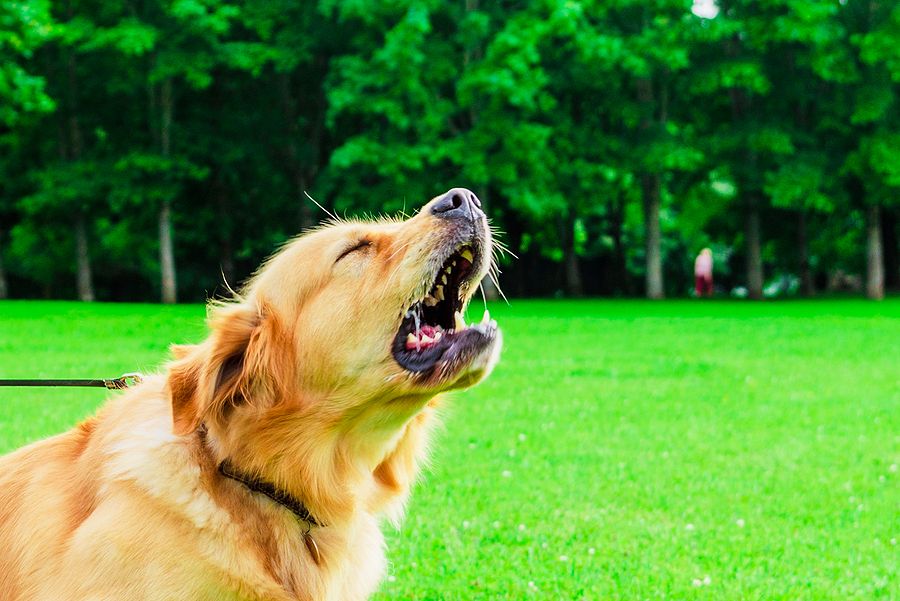
What Does Attention-Seeking Barking Mean?
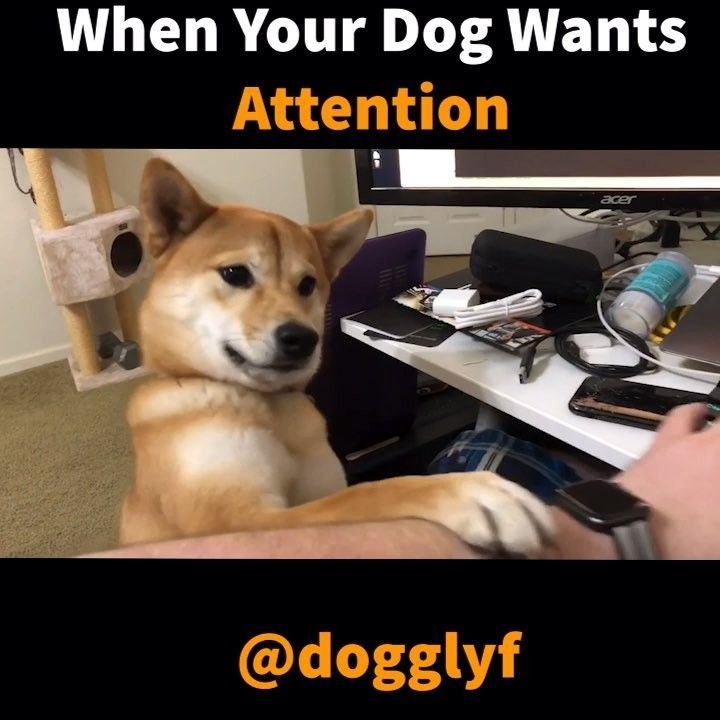
Attention-seeking barking is barking aimed at getting a response from a person. Your dog may look at you, walk toward you, paw at you, or bark when you stop playing or stop petting.
The “attention” does not need to be positive. To a dog, eye contact, talking, pushing, or scolding can all count as a response.
Common rewards include:
- Petting
- Food or treats
- A toy
- A walk
- Access to a door or yard
- Eye contact
- Talking
- Being picked up
- A person moving toward the dog
- Ending an unwanted activity
Dogs repeat actions that produce useful results. If barking gets a result, the habit can grow.
Signs that barking is for attention
Your dog may be seeking attention if the barking:
- Starts when you look away or stop interacting
- Stops when you touch, speak to, or approach your dog
- Happens near a toy, leash, food bowl, or door
- Comes with a loose body and relaxed face
- Is followed by your dog looking at you or moving closer
- Occurs most often when your dog seems bored
These signs do not prove the cause. Fear, pain, and anxiety can look different in each dog. Watch the full pattern, not just the sound.

Why Does My Dog Bark at Me?
Your dog may bark at you because barking has been rewarded, a need is not met, or your dog feels worried or unwell. More than one cause can exist at the same time.
1. Your dog has learned that barking works
This is the most common reason for a true attention habit. Imagine that your dog barks while you work. You say, “Stop,” and give your dog a quick pat. Your dog may learn, “Barking brings my person back.”
The same lesson can form when you:
- Give a treat to stop barking
- Throw a toy
- Open the door
- Fill the food bowl
- Let your dog onto the couch
- Start a walk
- Push your dog away
Even a response that feels negative to you may reward the dog.
2. Your dog is bored or under-stimulated
Dogs need more than food and a short bathroom trip. They also need movement, sniffing, play, rest, and social contact.
Boredom is more likely when barking happens:
- At the same time each day
- After long periods alone
- When your dog has no safe toys or tasks
- When exercise has dropped
- During bad weather or schedule changes
Breed traits matter. A working or highly active dog may need more daily activity than a small companion dog. Age, health, and fitness also change the right amount.
3. Your dog wants something basic
A bark may be a request. Check simple needs first:
- Fresh water
- A bathroom break
- Food at the normal time
- Relief from heat or cold
- A safe place to rest
- Help reaching a toy
- A door that needs opening
Do not assume every bark is a training issue. Meeting a real need is not the same as rewarding rude behavior.
4. Your dog wants social contact
Many dogs bark when a person sits down, starts a phone call, or focuses on another task. Your dog may want to play or stay close.
This can happen more often in dogs that receive attention only when they demand it. A better plan is to give regular, planned attention before the barking starts.
5. Your dog feels anxious or frustrated
Fear and frustration can cause barking that looks like attention seeking. A dog may bark when:
- You leave the room
- You close a door
- You handle food or toys
- You prevent access to a person or place
- You prepare to leave home
- You stop a game
- You hold a leash but do not move
Look for other signs, such as pacing, panting, lip licking, trembling, hiding, jumping, stiff movement, or destruction. These signs suggest that your dog needs more than a simple “ignore the bark” plan.
6. Your dog may be in pain or confused
A new barking habit can signal a health problem. Pain, hearing loss, vision loss, illness, and age-related brain changes may affect behavior.
Call your veterinarian if barking:
- Starts suddenly
- Happens more at night
- Comes with restlessness or panting
- Appears with limping, vomiting, appetite changes, or weight loss
- Happens when you touch a certain area
- Occurs in an older dog with confusion or sleep changes
A behavior plan cannot fix untreated pain.

How to Tell Attention Barking From Other Barking
The sound alone is not enough to identify the cause. Study the trigger, body language, timing, and result.
| Pattern | Possible meaning | What to check |
|---|---|---|
| Barking while staring at you | Wants interaction or an item | What happens after you respond? |
| Barking near the food bowl | Hunger or food habit | Feeding time and meal size |
| Barking at the window | Alarm, excitement, or fear | People, dogs, cars, and other sights |
| Barking when left alone | Separation-related distress | Pacing, damage, panic, accidents |
| Barking during play | Excitement or poor impulse control | Arousal level and play breaks |
| Barking when touched | Pain or fear | Veterinary check |
| Barking at night | Needs, anxiety, pain, or aging | Sleep, bathroom needs, and health |
| Barking with stiff posture | Fear, threat, or conflict | Increase distance and seek help |
A relaxed dog may have a loose body, soft eyes, and a wag that moves freely. A stressed dog may hold the body stiff, tuck the tail, pin the ears back, or avoid eye contact.
If your dog growls, snaps, lunges, or bites, stop the interaction and create space. Seek help from a qualified veterinary behaviorist or reward-based behavior professional.

How to Stop a Dog From Barking for Attention
You can reduce attention barking by making calm behavior more useful than barking. The plan works best when every person in the home follows the same rules.
Step 1: Check needs and safety first
Before ignoring a bark, ask why your dog may be barking. Check water, bathroom needs, food, temperature, pain, and access to a safe resting area.
Do not ignore barking that may signal distress. A dog in panic is not being stubborn. The dog may need a slower training plan and professional help.
Step 2: Stop paying the bark
When the barking is clearly for attention, remove the reward. Turn your body away. Avoid eye contact. Do not talk, touch, push, or reach for a toy.
Wait for a brief pause. At first, one or two quiet seconds may be enough. Then give calm attention or ask for a simple behavior, such as “sit.”
This step can be hard. Barking may get worse for a short time before it improves. This is called an extinction burst. The dog tries the old behavior harder because it worked before.
If you give in during the louder burst, your dog may learn that more barking is the best way to get results.
Step 3: Reward quiet behavior quickly
When your dog is quiet, reward the pause. Use a calm voice and give a treat, petting, or access to play.
The reward should come while your dog is calm. If you wait too long, your dog may start barking again before receiving it.
Build the quiet time slowly:
- Reward one second of silence.
- Then reward three seconds.
- Increase to five and 10 seconds.
- Add mild distractions.
- Reward calm behavior in different rooms.
Do not demand long periods of silence at the start.
Step 4: Teach an alternative request
Your dog needs another way to ask for what it wants. Teach one behavior that is easy to notice, such as:
- Sitting
- Touching your hand with the nose
- Bringing a toy
- Lying on a mat
- Looking at you quietly
For example, before play, wait for your dog to sit. Then say “yes,” give a toy, and begin the game. Your dog learns that sitting starts play, while barking does not.
Step 5: Schedule attention before your dog demands it
Planned attention can lower the need to ask. Add short sessions for:
- Sniff walks
- Fetch
- Tug with breaks
- Trick training
- Food puzzles
- Chewing
- Calm petting
- Rest on a mat
A five-minute training session can be useful. Mental work often tires dogs without making them overexcited.
Step 6: Manage common triggers
Management prevents practice while training is underway. You might:
- Use curtains to block window views
- Move your dog away from a busy doorway
- Offer a safe chew during work calls
- Put a mat near your desk
- Use a baby gate
- Give a food puzzle before a busy period
- Keep high-value toys out of reach until you can use them well
Management is not a cure. It gives your dog fewer chances to rehearse the old habit.

What Should You Do If Ignoring the Bark Does Not Work?
Ignoring barking will not work if the bark is driven by fear, pain, separation distress, or a real unmet need. It also fails when people sometimes reward the barking and sometimes do not.
Use this troubleshooting guide:
| What you see | Better next step |
|---|---|
| Barking is new or intense | Schedule a veterinary exam |
| Barking happens only when alone | Record a short absence and discuss separation distress with a professional |
| Barking comes with fear signs | Increase distance from the trigger; use gradual training |
| Barking continues after basic training | Track triggers and consult a reward-based trainer |
| Barking is aimed at visitors | Use barriers and a visitor plan before opening the door |
| Barking includes lunging or biting | Prioritize safety and seek behavior help |
| All household members respond differently | Agree on one calm response plan |
Do not use a bark collar as the first solution. A collar may stop the sound without fixing the reason. A punishment-based device can also increase fear or aggression in some dogs. The American Veterinary Society of Animal Behavior supports reward-based training and advises against aversive methods.
A certified professional can help. Useful options in the United States include a board-certified veterinary behaviorist, a Certified Applied Animal Behaviorist, or a trainer with a recognized reward-based credential. Ask what methods the person uses before booking.

How Long Does It Take to Stop Attention Barking?
Many dogs show early progress within days or weeks when the plan is consistent. The full habit may take longer, especially if barking has worked for months or years.
Progress depends on:
- How often barking occurs
- How long the habit has existed
- Whether the reward stops every time
- The dog’s stress level
- The presence of pain or anxiety
- The quality of alternative activities
- Whether all people use the same plan
Track three simple points each day:
- What happened before the bark
- How long the barking lasted
- What response followed
Success is not always total silence. Useful progress may include shorter barking, faster recovery, more quiet requests, or fewer outbursts during busy times.

Common Mistakes That Keep Barking Going
Several well-meant actions can strengthen the habit.
Repeating “quiet”
If you repeat the cue while the dog barks, your voice may become part of the attention reward. Teach “quiet” during calm practice first. Then use it once, wait for silence, and reward.
Giving a treat after a long bark
This can teach your dog to bark until the treat appears. Instead, reward a quiet pause before the bark becomes intense.
Responding only sometimes
Unpredictable rewards can make a behavior very persistent. Everyone in the home should follow the same rule.
Providing too much high-energy play
Some dogs bark more after rough or long play. Add calm sniffing, chewing, rest, and mat training.
Punishing the dog
Yelling may increase fear and can still provide attention. Physical punishment can damage trust and increase the risk of defensive behavior.
Expecting a quiet dog all day
Dogs communicate. Some barking is normal. The goal is not to remove every bark. The goal is to reduce excessive barking and teach a safe, clear way to ask for help or interaction.

Frequently Asked Questions
Why does my dog bark at me when I sit down?
Your dog may have learned that sitting down predicts lost attention. Your dog may also want play, petting, or access to something. Give attention on a schedule and reward your dog for settling on a mat before the barking starts.
Why does my dog bark at me and then run away?
The dog may be inviting play, asking you to follow, or trying to reach a toy or door. If the body is stiff, the tail is tucked, or the dog avoids touch, fear may be involved. Do not chase or corner the dog.
Should I ignore my dog when it barks at me?
Ignore clear attention barking only after checking basic needs and safety. Turn away without speaking, wait for a short pause, and reward calm behavior. Do not ignore signs of pain, panic, fear, or separation distress.
Why does my dog bark at me for food?
Your dog may have learned that barking speeds up meals or produces treats. Feed on a regular schedule when possible. Ask for a quiet behavior, such as sitting, before placing the bowl down.
Why does my older dog bark at me more at night?
Night barking in an older dog can relate to pain, hearing or vision loss, anxiety, bathroom needs, or age-related cognitive changes. Arrange a veterinary exam, especially if the change is new.
Can a bark collar stop attention barking?
A bark collar may suppress sound, but it does not teach a better request or identify the cause. It may also raise fear or stress. Reward-based training, management, and veterinary care are safer first steps.
Conclusion: Help Your Dog Learn a Better Way to Ask
Your dog may bark at you for attention because the behavior has produced a result. Start by checking health and basic needs. Then stop rewarding the bark, reward short periods of calm, and teach a clear alternative such as sitting or bringing a toy.
Be consistent, keep training short, and track the triggers. If barking is sudden, happens when your dog is alone, includes fear or aggression, or does not improve, contact a veterinarian or qualified behavior professional.