Why Do Some Dogs Have Floppy Ears: The Science
Some dogs have floppy ears because of inherited ear shape, softer cartilage, and selective breeding. These traits affect how well the ear flap can stand upright. Breeds such as Basset Hounds, Cocker Spaniels, Beagles, Bloodhounds, and Labrador retrievers naturally have drop or pendant ears.
Floppy ears are usually normal. They are not a sign that a dog is weak or unhealthy. However, the warm, less-ventilated space under a hanging ear flap can make some dogs more likely to develop ear infections. A sudden change in one or both ears can also signal injury or illness.
This guide explains the biology behind floppy dog ears, why puppies’ ears may change, which breeds commonly have them, and when an ear problem needs veterinary care.

What Are Floppy or Drop Ears?
Floppy ears are ear flaps that hang partly or fully beside a dog’s head instead of standing upright. They are also called pendant ears, drop ears, or hanging ears.
A dog’s visible ear flap is called the pinna. The pinna contains skin, blood vessels, muscles, and cartilage. Cartilage is firm but flexible tissue that gives the ear its shape.
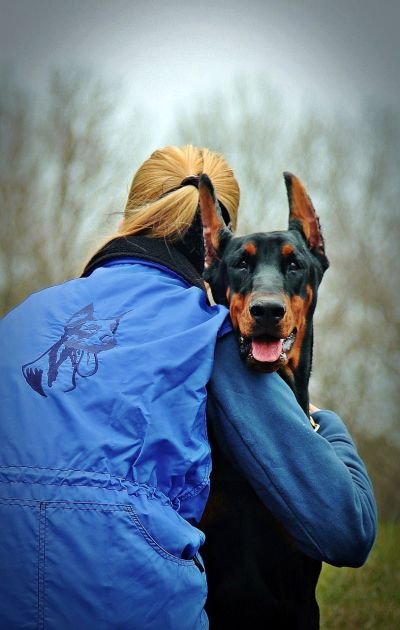
In a dog with erect ears, the cartilage is strong enough to hold the pinna up. In a dog with floppy ears, the pinna may be:
- Longer or heavier
- Wider at the base
- Made with softer cartilage
- Shaped to fold over the ear opening
- Covered with more hair
- Supported by less effective ear muscles
Ear shape varies widely. Some dogs have ears that lie close to the head. Others have long ears that hang well below the jaw. Many dogs fall between these two types.
A dog can also have one ear that stands and one that flops. This may happen during puppy growth, after an injury, or because the two ears developed differently.

Why Do Some Dogs Have Floppy Ears?
The main reasons are genetics, selective breeding, cartilage structure, and the natural shape of the ear flap.
Genetics control much of the ear shape
Genes influence the length, weight, thickness, and position of a dog’s ears. They also affect the growth of the skull, jaw, skin, and cartilage.
When dogs inherit genes for large or heavy pinnae, the cartilage may not provide enough lift to hold the ears upright. The result is a hanging or folded ear.
This does not mean one single “floppy ear gene” controls the trait. Ear shape is more likely influenced by many genes working together. That is why puppies from the same litter can have slightly different ear carriage.
Selective breeding made floppy ears common in some breeds
People have bred dogs for specific jobs and looks for thousands of years. Over time, breeders selected traits that helped certain dogs work in particular ways.
For example:
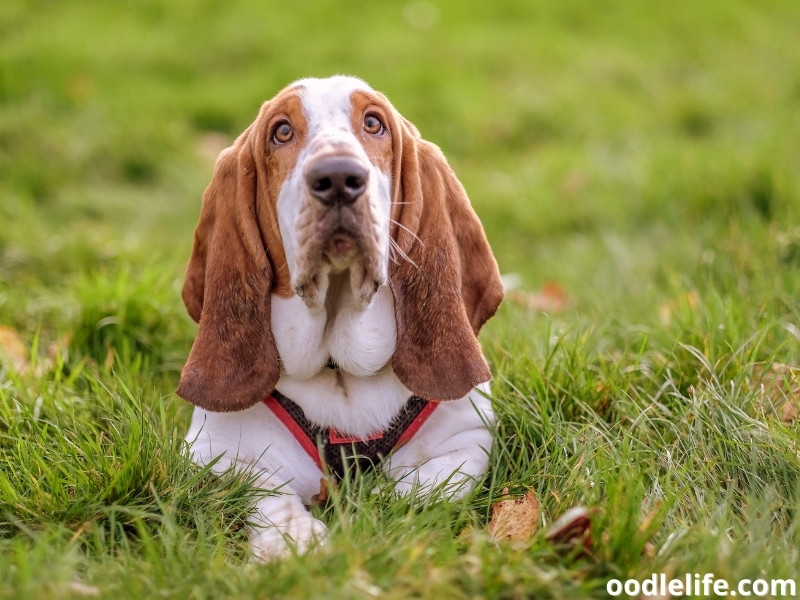
- Basset Hounds have long, low-set ears that fit their distinctive body shape.
- Bloodhounds have long ears and loose skin that are part of the breed’s traditional appearance.
- Beagles have medium-length drop ears suited to their scent-hound type.
- Cocker Spaniels have long, feathered ears that are part of the breed standard.
- Labrador Retrievers have medium-sized hanging ears.
- Golden Retrievers have short-to-medium drop ears that lie near the cheeks.
Breed standards describe expected ear shape. Those standards help preserve the features that distinguish one breed from another.
Cartilage may be too soft or heavy to stand
Standing ears need support. If the ear cartilage is thin, soft, narrow, or weighed down by a large ear flap, the ear may bend.
This is similar to a leaf on a stem. A small, light leaf may stay upright. A large, heavy leaf may bend toward the ground. A dog’s pinna works in a more complex way, but the basic idea is similar.
The muscles around the ear also affect movement. Some dogs can raise or turn their ears but still cannot keep them upright.
Domestication may have influenced ear shape
Many domestic dogs have softer, less upright ears than wild canids. Researchers have linked domestication with changes in skull shape, coat, behavior, and ear carriage.
One proposed explanation is that humans favored dogs with calmer behavior and certain physical traits. Over many generations, this may have changed how the ears developed.
However, the exact biological reason for the wide range of dog ear shapes is not fully settled. Domestication is part of the explanation, but breed-specific selection also matters greatly.

Why Are Some Puppies’ Ears Floppy at First?
Many puppies have floppy ears because their cartilage and ear muscles are still developing. Their ears may rise, fall, or change position during the first months of life.
Teething can also coincide with changes in ear carriage. As a puppy grows, the face, skull, muscles, and cartilage develop at different rates. Temporary changes are common, especially in breeds that normally have erect ears.
A puppy’s ears may:
- Stand up for a few days
- Drop during teething
- Lift again as the puppy matures
- Remain partly folded
- Develop different positions on each side
There is no reliable age at which every puppy’s ears should stand. Breed, genetics, nutrition, injury, and individual growth all play a role.
Do not tape, glue, massage, or brace a puppy’s ears without advice from a veterinarian or an experienced breed specialist. Incorrect methods can cause skin wounds, pain, infection, or damaged cartilage.
If a puppy is otherwise healthy, changing ear position is often not urgent. A veterinarian can check the ears if the change is sudden, painful, or linked with swelling or discharge.

Do Floppy Ears Cause Ear Infections?
Floppy ears do not directly cause infection, but they can create conditions that help infection develop.
A hanging ear flap can reduce airflow around the ear canal. It may also hold in warmth and moisture. Ear hair, allergies, swimming, and skin disease can add to the problem.
Common causes of canine ear disease include:
- Yeast overgrowth
- Bacteria
- Ear mites, especially in puppies
- Allergies
- Moisture after bathing or swimming
- Foreign objects such as grass awns
- Narrow or inflamed ear canals
- Excess ear cleaning
- Endocrine or immune-related disease
Signs of a possible ear problem include:
- Scratching the ear
- Frequent head shaking
- Redness
- Bad odor
- Dark, yellow, or bloody discharge
- Swelling
- Pain when touched
- Holding the head at an angle
- Loss of balance
- Hearing changes
A dog with these signs should be examined by a veterinarian. An ear infection may look minor from the outside but extend deeper into the canal.
Do not put vinegar, rubbing alcohol, hydrogen peroxide, essential oils, or leftover medicine into a dog’s ear unless a veterinarian specifically tells you to use it. Some products can irritate the ear. Others can cause serious harm if the eardrum is damaged.

How Should You Care for a Dog With Floppy Ears?
The best care is regular observation, gentle cleaning only when needed, and prompt treatment of symptoms.
Check the ears each week
Look at the visible part of each ear in good light. Healthy ears usually have:
- Little or no odor
- Minimal wax
- No marked redness
- No swelling
- No pain when touched
A quick weekly check can help you notice changes early. Handle the ears gently so your dog learns that ear checks are safe.
Keep ears dry
After swimming or bathing, dry the outer ear with a clean towel. Do not push cotton swabs deep into the ear canal.
If your dog swims often, ask a veterinarian whether a dog-safe drying or cleaning product is suitable. The correct product depends on the dog’s ear health and whether the eardrum is intact.
Clean only when there is a reason
Healthy dogs do not always need routine ear cleaning. Cleaning too often can remove protective oils and irritate the skin.
Follow the product label and veterinary instructions. Stop if your dog shows pain. A veterinarian should diagnose infection before you use medicated drops.
Manage allergies and skin disease
Dogs with allergies may get repeated ear infections. Signs can include itchy paws, red skin, recurrent ear problems, or rubbing the face.
Treating the underlying allergy may reduce future ear flare-ups. Repeatedly treating the ears without finding the cause may lead to a cycle of temporary relief and recurring disease.
Trim hair only with care
Some floppy-eared dogs have hair around or inside the ear opening. That hair is not automatically a problem, and removing too much can irritate the skin.
Ask a groomer or veterinarian for guidance if hair blocks the opening, traps moisture, or makes inspection difficult.
Floppy Ears Versus Upright Ears
Both ear types can be healthy. The main difference is structure and ventilation, not overall quality.
| Feature | Floppy ears | Upright ears |
|---|---|---|
| Ear position | Hangs beside or over the head | Stands above the skull |
| Cartilage | May be softer, heavier, or more folded | Usually firm enough to support the pinna |
| Air movement | May be lower around the ear opening | Often greater |
| Infection risk | May be higher in some dogs | May be lower for some causes, but not zero |
| Cleaning need | Depends on the individual dog | Depends on the individual dog |
| Normality | Normal in many breeds and mixes | Normal in many breeds and mixes |
Ear shape does not predict temperament, intelligence, hearing ability, or trainability. A floppy-eared dog can hear and work just as well as a dog with erect ears.
Some working dogs have hanging ears because their breed history and anatomy developed for scent work, retrieving, tracking, or companionship. Ear carriage alone does not tell you how capable a dog is.

Can a Dog’s Ears Become Floppy Later in Life?
A dog’s ears can change later in life, but a new change deserves attention.
Normal aging may alter cartilage, skin, and muscle tone. Yet a sudden floppy ear can also result from:
- An ear infection
- A bite or other injury
- A hematoma, which is a blood-filled swelling in the ear flap
- Nerve damage
- A mass or growth
- Severe inflammation
- Pain in the ear or jaw
An aural hematoma often makes the ear flap thick, swollen, warm, or heavy. It can develop after repeated head shaking or scratching. It needs veterinary care because untreated swelling can scar the ear and create a permanent crumpled shape.
Seek veterinary care promptly if the ear change comes with pain, swelling, bleeding, odor, discharge, balance problems, or unusual behavior.
A dog that suddenly cannot move one side of the face may have a nerve problem. Facial drooping, trouble blinking, or loss of balance should be treated as urgent signs.

Does Ear Cropping Make a Dog Healthier?
Ear cropping changes the shape of the ear flap through surgery. In the United States, it is often performed for cosmetic reasons rather than to treat a disease.
Cropping does not make every dog healthier, and it does not guarantee that the ears will stand. Healing can require aftercare, and surgery carries risks such as pain, infection, bleeding, and poor healing.
The American Veterinary Medical Association opposes ear cropping and tail docking when performed only for cosmetic purposes. Rules and veterinary policies can vary by location, so owners should discuss any proposed procedure with a licensed veterinarian.
A dog does not need erect ears to live a healthy life. Natural ear shape is usually the safest and simplest option when there is no medical reason for surgery.

When Should You Call a Veterinarian?
Contact a veterinarian when a dog has signs that suggest pain, infection, injury, or a deeper ear problem.
Arrange an appointment for:
- Repeated head shaking
- Ongoing scratching
- Strong odor
- Ear discharge
- Redness or swelling
- Pain during handling
- A new change in ear position
- Hearing changes
- Repeated ear infections
Seek urgent care for severe swelling, bleeding, loss of balance, facial weakness, extreme pain, or sudden neurological changes.
Do not wait for an ear problem to become severe. Deep ear infections can affect hearing and balance. A veterinarian may examine the canal with an otoscope, check a sample under a microscope, and choose treatment based on the cause.

Key Takeaways
- Floppy ears are usually an inherited and normal breed trait.
- Genes, cartilage, ear weight, and selective breeding all affect ear carriage.
- Puppies’ ears may change as they grow and may not settle at a predictable age.
- Floppy ears can hold heat and moisture, which may increase ear infection risk in some dogs.
- A sudden floppy ear, pain, odor, discharge, swelling, or balance problem needs veterinary attention.
- Never put home remedies or unapproved medicine into a dog’s ear.
- Ear cropping is not required for a dog to be healthy.
Frequently Asked Questions
Are floppy ears bad for dogs?
No. Floppy ears are normal in many breeds and mixed-breed dogs. They may raise the risk of moisture-related ear disease in some individuals, but ear shape alone is not a health problem.
Why does my dog have one floppy ear and one upright ear?
Uneven ear carriage can result from normal growth, different cartilage strength, injury, or inflammation. If the change is sudden or painful, have the dog examined.
Do floppy ears mean a dog cannot hear well?
No. A dog with floppy ears can hear normally. Hearing depends on the ear canal, middle ear, inner ear, nerves, and brain—not simply on whether the ear flap stands up.
Will my puppy’s floppy ears stand up?
They may, depending on the breed and genetics. Some puppies’ ears change during growth, while others keep their natural drop shape. There is no safe method that guarantees a permanent change.
How often should I clean floppy dog ears?
There is no single schedule for every dog. Clean only when needed and follow veterinary advice. Overcleaning can irritate the ear and make problems worse.
Can I prevent ear infections in a floppy-eared dog?
You can reduce risk by keeping the ears dry, checking them regularly, treating allergies, and seeking care early. Prevention cannot eliminate every infection, especially when a dog has allergies or narrow ear canals.
Conclusion
Some dogs have floppy ears because their genes, cartilage, ear weight, and breed history produce a hanging pinna. The trait is usually normal and does not reduce a dog’s hearing, intelligence, or quality of life.
The practical concern is ear health. Check the ears often, keep them dry, avoid harsh home remedies, and contact a veterinarian when you see pain, odor, discharge, swelling, or a sudden change.