Why Do Dogs Get Mad When You Touch Their Tail: Explained
Introduction
Across the United States, many dog owners notice the same reaction: a dog turns, stiffens, growls, or snaps when someone touches its tail. This does not always mean the dog is “mad.” In many cases, the reaction is a warning that the touch feels painful, scary, or too intense.
A dog’s tail connects to the lower spine. It contains bones, muscles, skin, blood vessels, and nerves. Problems such as an injury, skin infection, anal gland disease, arthritis, or nerve pain can make tail handling unpleasant. Some dogs also dislike tail touching because of fear, poor socialization, or a past bad experience.
Treat a sudden change in behavior as a possible health concern first. Stop touching the tail, protect yourself from a bite, and contact a licensed veterinarian in the United States if the reaction is new, severe, or linked with other symptoms.
The short answer: pain is the first concern
Dogs may react badly when you touch their tail because:
- The tail is injured or bruised.
- The skin is inflamed, itchy, or infected.
- The dog has pain near the lower back, hips, or tail base.
- A nerve problem makes touch feel sharp or strange.
- The anal glands are painful or impacted.
- The dog feels afraid or trapped.
- The dog learned that tail handling leads to pain.
- Repeated touch has caused overstimulation.
A growl, snap, or quick turn is often a dog’s way to say, “Stop.” Punishing that warning can make the situation less safe. The dog may stop growling but still feel pain, which can increase the risk of a sudden bite.
The American Veterinary Medical Association advises owners to take behavior changes seriously because pain and illness can affect how a pet acts. The Merck Veterinary Manual also lists pain, skin disease, nervous system disorders, and other medical problems as possible causes of behavior change.
How the tail can hurt
A dog’s tail is part of the spine. The tail vertebrae continue from the spinal column, and nerves in the area help control movement and sensation. Because of this structure, pain may come from the tail itself or from nearby body parts.
Tail injuries
A tail can be hurt by:
- A door closing on it
- A fall
- A collision during play
- A bite from another animal
- A fracture or dislocation
- Repeated impact against a hard surface
- Pulling or rough handling
Some injuries are easy to see. Others are not. A dog may have pain without a wound, swelling, or obvious deformity.
A “happy tail” injury is another possibility. This term describes repeated tail strikes against walls, doors, crates, or furniture. The tip may split, bleed, or fail to heal. Dogs with long, active tails may be more prone to this problem.
Skin problems
Skin disease can make even light touch painful. Possible causes include allergies, fleas, mites, bacterial infection, yeast, hot spots, and wounds hidden under the coat.
Look for:
- Red or moist skin
- Hair loss
- Scabs
- Odor
- Dandruff or scaling
- Frequent licking or chewing
- Flea dirt
- A sore at the tail base
Do not apply human creams, essential oils, or pain medicine unless a veterinarian tells you to do so. Some human products can harm dogs if they lick them.
Lower-back, hip, or nerve pain
Pain near the tail base may come from the lower back, hips, or pelvis. A dog with a spinal or nerve problem may react to touch near the tail even when the tail looks normal.
Other signs can include:
- Trouble rising
- A hunched back
- Weak rear legs
- Reluctance to jump
- A change in walking
- A tail held low or still
- Difficulty sitting
- Loss of bladder or bowel control
These signs need prompt veterinary attention. Sudden weakness or loss of bladder control is an emergency.
Anal gland disease
Anal glands, also called anal sacs, sit on either side of a dog’s anus. When they become full, inflamed, infected, or abscessed, a dog may resent touch near the tail base or rear end.
Common signs include:
- Scooting on the floor
- Licking the anus
- Biting at the tail base
- A strong fish-like odor
- Swelling near the anus
- Pain while sitting or passing stool
- Blood or pus near the anus
Anal gland problems can worsen quickly. A veterinarian should examine the dog rather than an owner trying to squeeze the glands at home.
Fear and past experiences can also cause the reaction
Not every dog that resists tail touching has a physical injury. Some dogs dislike this type of handling because it feels threatening or because they were hurt in the past.
A dog may fear tail contact if:
- Someone pulled or stepped on the tail.
- Grooming was painful.
- The dog was grabbed during punishment.
- Children handled the tail roughly.
- The dog had a prior injury.
- The dog did not receive gentle handling as a puppy.
- The dog feels trapped when a person reaches from behind.
Dogs may also startle when a hand approaches from outside their view. A touch near the rear can feel sudden, especially in a nervous dog or a dog with hearing or vision loss.
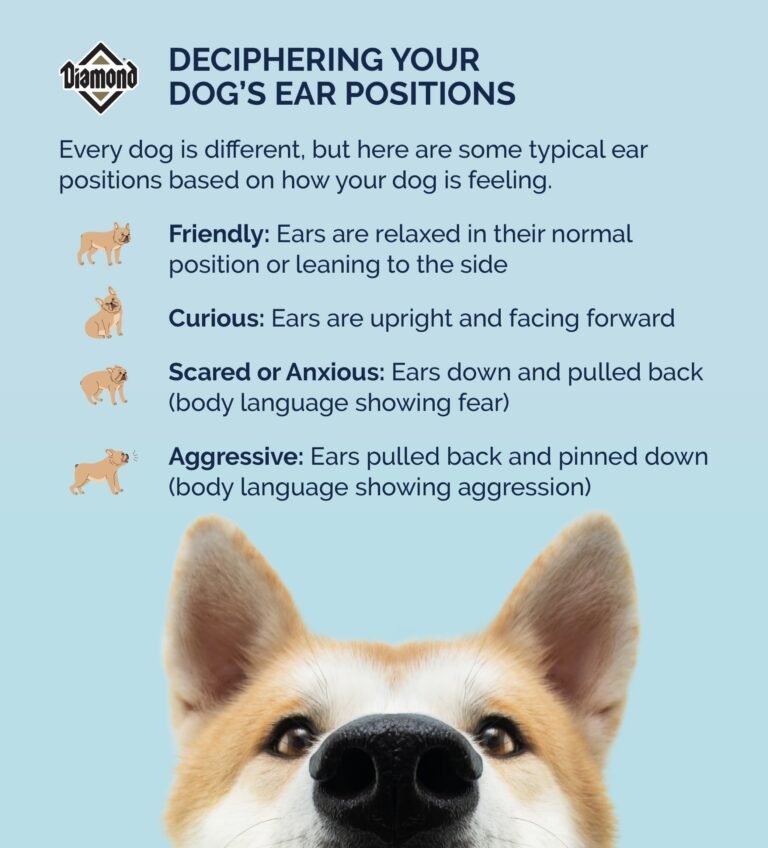
Fear signs often appear before aggression. These may include turning away, lowering the body, tucking the tail, licking the lips, yawning, freezing, or showing the whites of the eyes. A growl may be the dog’s final warning after quieter signs were missed.
Never test a fearful dog by touching the tail again and again. Repeated exposure without relief can make the fear stronger.
What the dog’s behavior may mean
The same action can have different causes. Context matters.
| Dog’s response | Possible meaning | Best first step |
|---|---|---|
| Turns away or moves off | Discomfort, fear, or a request for space | Stop and give the dog room |
| Tucks the tail | Fear, pain, or stress | Avoid handling and watch for other signs |
| Freezes | The dog feels unable to escape | Stop touching and move away slowly |
| Growls | A clear warning | Do not punish; end the interaction |
| Snaps or bites | The dog feels highly threatened or painful | Separate safely and seek professional help |
| Cries or flinches | Possible pain | Arrange a veterinary exam |
| Licks or chews the tail | Itching, pain, or skin disease | Check for injury without forcing an inspection |
| Holds the tail oddly | Injury, nerve issue, or pain | Contact a veterinarian |
A relaxed dog may allow brief contact but still dislike a firm grip, tail lifting, or repeated touching. Tolerance is not the same as enjoyment.
What to do when your dog reacts to tail touching
Use a safe, calm process. Your goal is not to prove that the dog will tolerate touch. Your goal is to find out whether the dog may be hurt and prevent the situation from getting worse.
1. Stop touching the tail
Remove your hand slowly. Do not yank away, shout, stare, or scold. Sudden movement can increase fear.
Give the dog space. If children are nearby, calmly move them away.
2. Check the behavior from a distance
Watch how the dog walks, sits, lies down, and uses the tail. Look for:
- Limping
- A stiff back
- A tail held low
- A tail that will not wag
- Swelling
- Bleeding
- Excessive licking
- Trouble sitting or defecating
Do not force the dog to stand, walk, or turn for inspection.
3. Call a veterinary clinic
Call your veterinarian for advice if the response is new, intense, or getting worse. Tell the clinic:
- When the behavior began
- Whether there was a known injury
- Whether the dog can wag the tail
- Whether the dog is eating and walking normally
- Whether there is swelling, bleeding, odor, or discharge
- Whether urination and bowel movements are normal
A veterinarian may need to examine the tail, spine, hips, skin, and anal sacs. Some dogs need pain control or sedation for a safe examination.
4. Prevent more pressure on the area
Until the cause is known:
- Avoid tail handling.
- Use a harness if a collar increases pulling near the neck or back.
- Keep the dog away from rough play.
- Block access to stairs if movement seems painful.
- Do not let children approach the rear of the dog.
- Do not crate the dog if the tail is repeatedly hitting the crate.
- Do not give ibuprofen, naproxen, acetaminophen, or other human drugs without veterinary direction.
5. Address fear only after pain is ruled out
If the veterinarian finds no medical cause, a qualified positive-reinforcement trainer or veterinary behaviorist can help. Training should begin with touch far from the tail and pair calm behavior with treats. The person should stop before the dog shows stress.
This process may take days or weeks. Forcing the dog to tolerate tail handling can lead to stronger defensive behavior.
When tail sensitivity needs urgent veterinary care
Seek urgent veterinary care if your dog has severe pain, heavy bleeding, a deep wound, or sudden weakness. Contact an emergency clinic if the dog cannot stand, drags the rear legs, loses bladder or bowel control, or seems distressed and cannot settle.
Call your regular veterinarian promptly for:
- A tail that suddenly hangs limp
- Swelling or a visible bend
- Bleeding that does not stop with gentle pressure
- A foul smell or discharge
- Repeated licking or chewing
- Trouble passing stool
- Pain when sitting
- A recent fall, door injury, bite, or collision
- A sudden behavior change in an older dog
Do not wait for a dog to cry. Dogs often hide pain, and some show only small behavior changes.
How to safely teach a dog to accept tail handling
Only use handling practice when a veterinarian has ruled out pain and the dog is relaxed. This is useful for routine care, grooming, and future veterinary visits.
- Stand or sit beside the dog rather than reaching from behind.
- Touch a comfortable area, such as the shoulder.
- Give a small treat.
- Stop while the dog remains calm.
- Repeat over several short sessions.
- Gradually move closer to the hips.
- Later, briefly touch the tail base.
- Reward calm behavior and stop at the first sign of stress.
Do not hold the tail, lift it, squeeze it, or continue after the dog freezes, pulls away, tucks the tail, or growls.
A dog’s progress is measured by relaxed body language, not by staying still while frightened. If the dog cannot remain calm, work with a certified professional or veterinary behaviorist.
Common mistakes to avoid
Punishing a growl
A growl is useful information. Punishment may suppress the sound without removing the fear or pain. That can make a bite less predictable.
Assuming the dog is being stubborn
A dog that reacts to tail touching may be trying to avoid pain. Labeling the behavior as stubborn can delay treatment.
Repeatedly testing the tail
Each test can increase pain or fear. One clear reaction is enough reason to stop.
Pulling the tail to “check” it
Pulling can worsen an injury and may damage nerves. A veterinarian should perform a hands-on exam.
Using human pain medicine
Many common human drugs are unsafe for dogs at ordinary human doses. Ask a veterinarian before giving any medication.
Allowing children to investigate
Children may move quickly or miss early warning signs. Keep them away from a dog that guards its tail or rear.
Relying on the tail alone
A dog can have a serious problem even if the tail looks normal. Changes in walking, sitting, toileting, appetite, or mood also matter.
Frequently asked questions
Why does my dog growl when I touch the base of the tail?
Pain near the tail base may come from an injury, skin disease, anal gland problem, lower-back pain, or nerve irritation. Fear is also possible. Stop touching the area and arrange a veterinary exam if the reaction is new or strong.
Why does my dog like having its tail scratched sometimes but not other times?
The dog may tolerate light contact but react when pressure, duration, or location changes. Pain can also vary with activity. A dog that becomes newly sensitive should be checked by a veterinarian.
Why does my dog snap when I touch its tail but act normal otherwise?
Dogs can hide pain during normal activity. The reaction may occur only when a sensitive area is touched. Acting normal at other times does not rule out an injury or illness.
Should I touch my dog’s tail to see where it hurts?
No. Repeated probing can increase pain and raises the risk of a bite. Observe from a distance and let a veterinarian locate the source safely.
Can a dog suddenly dislike tail touching because of age?
Yes. Older dogs may develop arthritis, spinal pain, skin disease, or reduced tolerance for handling. A new sensitivity in a senior dog deserves a veterinary evaluation.
Conclusion
Dogs usually do not react to tail touching because they are simply “mad.” They may be warning you about pain, fear, or discomfort. Since the tail connects to the spine and lies near the lower back and anal glands, a sudden reaction should be treated as a possible medical issue.
Stop touching the tail, keep people safe, and watch for changes in movement, skin, toileting, and mood. Contact a veterinarian when the sensitivity is new, persistent, or severe. If pain is ruled out, gentle reward-based training can help the dog feel safer with necessary handling.