Why Do Dogs Nibble On Clothes: Reasons And Solutions
Introduction
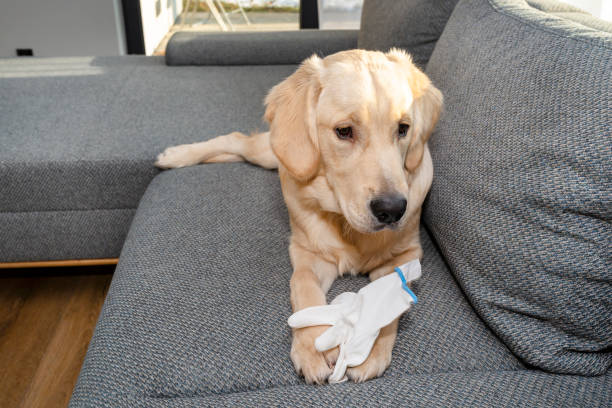
Dogs in U.S. homes may nibble on clothes for many reasons. A puppy may be teething. An adult dog may like the smell, texture, or taste of fabric. Some dogs nibble when they feel bored, stressed, or eager for attention.
Small, gentle nibbles are not always a serious problem. However, the habit becomes unsafe when a dog tears off and swallows cloth, thread, buttons, zippers, or detergent residue. Fabric can cause choking or a blockage in the stomach or intestines.
The best response is to find the cause, remove access to unsafe clothes, and give the dog a safe outlet. Do not yell or punish the dog. Calm redirection works better and can prevent fear.

Why Do Dogs Nibble on Clothes?
Dogs nibble clothes because the fabric offers something appealing, such as scent, texture, comfort, or attention. The behavior may also point to teething, boredom, anxiety, or a medical problem.
1. Clothes smell like you
Dogs have a strong sense of smell. Worn shirts, socks, and underwear carry the scent of the person who wore them. A dog may nibble or mouth these items because the smell feels familiar and calming.
This is common when a dog is alone, resting, or adjusting to a new home. The clothing may act like a comfort item. That does not mean the dog understands the item as a toy, though. A soft shirt can be hard to tell apart from a dog blanket.
2. Puppies may be teething
Puppies explore with their mouths. During teething, chewing may help ease sore gums. Many puppies begin losing baby teeth at about 3 to 4 months of age, and most have their adult teeth by about 6 to 7 months.
Clothes are soft, easy to grab, and often move when pulled. That makes them exciting to a young dog. Teething may explain the behavior, but it does not make fabric safe to chew.
3. Fabric has an interesting texture
Some dogs like the feel of cotton, wool, fleece, or elastic between their teeth. Loose threads can create extra movement and resistance. A dog may also enjoy pulling at seams, pockets, or cuffs.
A dog that likes fabric may move from nibbling to tearing. That change can happen quickly, especially when the dog is left alone with laundry.
4. Your reaction may reward the habit
Dogs learn from results. If a dog grabs a sock and people chase, shout, or pull at it, the event may become a game. The dog may repeat the behavior to start that interaction.
Even negative attention can strengthen a behavior. A calm trade is safer than a chase.
5. The dog is bored
A dog with too little exercise, play, training, or mental work may create its own activity. Laundry is easy to find and often carries a strong scent.
Boredom is more likely when the behavior appears during long periods alone. It may also occur in dogs that have little chance to sniff, explore, or use food puzzles.
6. Stress or separation-related distress
Some dogs nibble clothes when they are worried. The habit may occur during thunderstorms, after a move, when visitors arrive, or when the owner leaves.
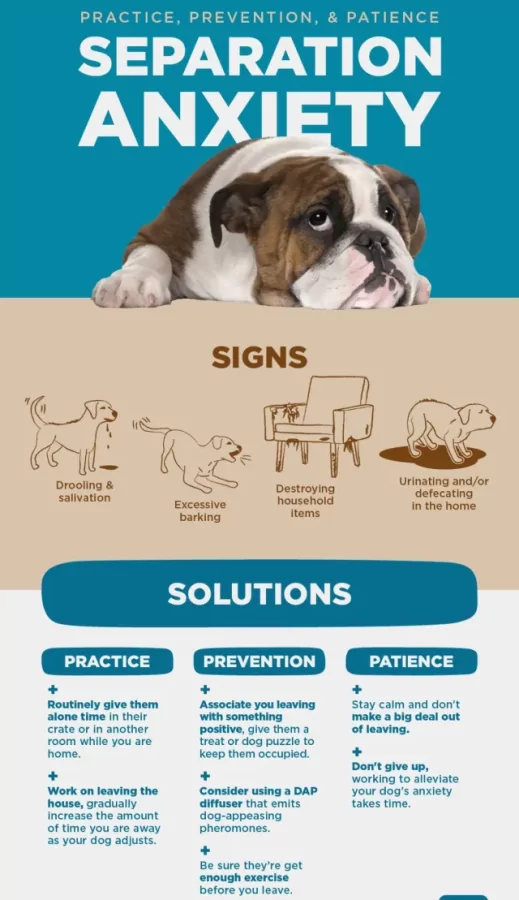
Look for other signs, such as pacing, whining, barking, panting, drooling, scratching at doors, or destruction near exits. These signs may suggest anxiety rather than simple play.
7. The dog is seeking attention
A dog may learn that stealing clothing brings a quick response. If the owner speaks, reaches, follows, or plays tug, the dog receives attention.
This does not mean the dog is being spiteful. Dogs usually repeat behavior that produces a result. Change the result, then reward a safer choice.
8. Pica or another health problem
Pica is the repeated eating of items that are not food. A dog with pica may swallow cloth, plastic, paper, rocks, or other objects.
Pica can have behavioral or medical causes. Possible medical factors include stomach or intestinal disease, poor nutrient absorption, anemia, or other conditions. A veterinarian should assess a dog that repeatedly eats fabric or other non-food items.
9. The clothing carries an appealing taste
Sweat, skin oils, food, lotion, and detergent can leave smells or tastes on fabric. Socks and underwear may be especially attractive because they hold strong body scents.
Do not let a dog lick clothing treated with medication, nicotine, cannabis products, cleaning chemicals, or other substances. Some residues can be harmful.

Is Nibbling Clothes Normal or a Warning Sign?
Nibbling is less concerning when it is brief, easy to interrupt, and limited to gentle mouthing. It needs more attention when the dog tears, guards, swallows, or seeks out fabric on a regular basis.
Use this guide:
| What you see | More likely meaning | Best next step |
|---|---|---|
| A puppy gently mouths a shirt | Teething or exploration | Remove the shirt and offer a safe chew |
| An adult dog carries a worn shirt | Comfort or scent seeking | Store laundry away and provide a comfort routine |
| The dog grabs socks when people react | Attention or play seeking | Stop chasing and trade for a toy |
| The dog chews clothes only when alone | Boredom or distress | Record the behavior and review alone-time routines |
| The dog swallows cloth | Pica or dangerous chewing | Call a veterinarian for advice |
| The dog suddenly starts eating fabric | Possible health or stress change | Arrange a veterinary check |
The key difference is mouthing versus swallowing. A dog that only holds fabric may still damage it. A dog that eats fabric faces a much higher medical risk.
Also watch the dog’s body language. A relaxed body and loose tail suggest casual exploration. A stiff body, hard stare, growl, or snap may signal guarding. Do not force an item from a dog that may bite.
What Should You Do When Your Dog Nibbles Clothes?
Use a calm, repeatable plan. The goal is to prevent access, teach a trade, and meet the need behind the behavior.
Step 1: Remove the clothing without a chase
If the dog has a loose item, stay calm. Use a cheerful voice and show a safe toy or treat. When the dog drops the clothing, reward the release and pick up the item.
Do not pull hard on the fabric. Pulling can make the dog clamp down, swallow the item, or turn the event into tug-of-war.
If the dog growls or guards the item, back away. Do not reach into the dog’s mouth. Contact a qualified reward-based trainer or veterinary behavior professional for help.
Step 2: Block access to laundry
Keep socks, underwear, towels, and clothes in a closed hamper. Shut closet and bedroom doors. Use a washing machine with a closed lid if the dog can reach dirty laundry.
Management is not a failure. It prevents the dog from practicing the habit while training takes place.
Step 3: Offer a safe replacement
Give the dog an item made for chewing. Choose a product that matches the dog’s size, age, bite strength, and chewing style. Follow the maker’s safety directions and inspect it often.
Remove any toy that breaks apart, sheds pieces, or becomes small enough to swallow. No chew item is risk-free.
For puppies, a chilled puppy-safe teething toy may help soothe sore gums. Ask a veterinarian before giving ice, bones, antlers, rawhide, or other hard chews. Very hard items can damage teeth, while some products can cause choking or digestive problems.
Step 4: Reward the behavior you want
Praise the dog for choosing its toy, resting on a mat, or leaving laundry alone. Give the reward at once.
You can teach “drop it” with a low-risk toy:
- Let the dog hold the toy.
- Place a treat near the dog’s nose.
- When the dog releases the toy, say “drop it.”
- Give the treat.
- Return the toy when safe.
Practice for a few minutes at a time. Do not begin with a sock or another item that the dog may guard.
Step 5: Add exercise and mental work
Physical activity may help, but exercise alone may not fix anxiety or pica. Add short sniff walks, food puzzles, simple training, hide-and-seek games, and supervised play.
Match the activity to the dog’s health and age. A senior dog, brachycephalic dog, or dog with joint disease may need gentle enrichment rather than intense exercise.
Step 6: Track the pattern
Write down:
- What item the dog chose
- When the behavior happened
- Whether the dog was alone
- What happened just before it
- Whether the dog swallowed anything
- What stopped the behavior
A pattern can reveal the cause. For example, laundry theft during departures may point to separation-related distress. Nibbling after meals may suggest food scent. Repeated fabric eating at any time needs veterinary attention.

When Is Clothing Chewing an Emergency?
Call a veterinarian or emergency veterinary hospital promptly if your dog swallowed cloth or shows signs of a blockage. Do not wait for the fabric to pass without professional advice.
Warning signs include:
- Repeated vomiting or retching
- Loss of appetite
- Belly pain or swelling
- Weakness, collapse, or unusual tiredness
- Trouble passing stool
- Diarrhea, especially with blood
- Straining to defecate
- Gagging, coughing, or trouble breathing
- A swollen tongue or trouble swallowing
- A thread hanging from the mouth or anus
Never pull a string or thread from the mouth or rectum. It may be caught inside the digestive tract and pulling can cause injury.
Do not induce vomiting unless a veterinarian specifically tells you to do so. Home remedies can cause harm and may not remove the item.
If the clothing had medication, nicotine, cannabis, chemicals, or a concentrated cleaner on it, contact a veterinarian or the ASPCA Animal Poison Control Center at 888-426-4435 in the United States. A consultation fee may apply.
A veterinarian may ask about the item, its size, when it was swallowed, and the dog’s weight. Keep any matching clothing or packaging if it is safe to do so. These details can guide the next step.

How Can You Stop a Dog From Nibbling Clothes?
Prevention works best when it combines management, training, and care for the underlying need.
Store clothes out of reach
Use a lidded hamper and keep clean laundry in drawers or closets. Do not leave socks on the floor. Ask children and visitors to follow the same rule.
Make safe chewing easy
Keep a few suitable toys in the rooms where the dog spends time. Rotate them so they stay interesting. Give food toys only when you can use them safely and supervise at first.
Keep departures calm
If the dog takes clothes when you leave, avoid dramatic goodbyes. Offer a safe activity before departure and make sure the dog has had a chance to exercise and eliminate.
A phone or home camera can show what happens after you leave. Do not use a camera to punish the dog remotely. Use it to observe patterns.
Avoid punishment
Scolding after the event does not teach the dog which choice was correct. It can increase fear and may make the dog hide stolen items or swallow them faster.
Reward-based training gives the dog a clear alternative. If anxiety drives the behavior, training should be paired with a plan from a veterinarian or qualified behavior professional.
Check the dog’s daily needs
Review:
- Age and teething stage
- Exercise and sniff time
- Time spent alone
- Sleep and rest
- Recent home changes
- Access to food and water
- Signs of pain or illness
- Other non-food items the dog eats
A sudden change deserves more attention than a long-standing puppy habit.
Common Mistakes to Avoid
Giving old clothes as dog toys
This can confuse the rule. If a dog may chew one shirt, it may not understand why another shirt is off-limits. Use toys made for dogs instead.
Turning the theft into a chase
Chasing can reward the behavior and may cause the dog to swallow the item. Trade calmly whenever possible.
Using a muzzle without guidance
A muzzle may stop a dog from picking up objects for a short period, but it does not treat anxiety, pica, or poor supervision. A poorly fitted muzzle can also affect breathing, drinking, or comfort. Ask a veterinarian or qualified trainer for help.
Assuming the dog will pass the fabric
Some small objects pass, but fabric can bunch, stretch, or trap other material. The risk depends on the item and the dog. A veterinarian should guide the decision after ingestion.
Ignoring a sudden behavior change
New chewing can follow stress, pain, hunger, illness, or a change in routine. Look at the full picture instead of treating the clothing alone.

Key Takeaways
- Dogs nibble clothes because of scent, texture, teething, boredom, attention, comfort, stress, or medical issues.
- Gentle mouthing is different from tearing and swallowing.
- Keep laundry in a closed hamper and offer safe chew options.
- Trade clothing for a toy or treat instead of chasing or punishing.
- Call a veterinarian if the dog swallowed fabric or shows signs of illness.
- Do not pull string from the mouth or anus, and do not induce vomiting without veterinary advice.
- Repeated eating of clothes may be pica and needs a veterinary assessment.
Frequently Asked Questions
Why does my dog nibble my clothes but not other objects?
Your clothes carry your scent and may provide a texture your dog likes. The behavior may also bring attention. Store clothes away and reward the dog for choosing a safe toy.
Why does my dog chew clothes when I leave?
The behavior may offer comfort, reduce boredom, or reflect separation-related distress. Watch for pacing, barking, drooling, scratching, or destruction near doors. A veterinarian can help assess anxiety.
Should I let my puppy chew an old sock?
No. Giving an old sock can teach the puppy that socks are acceptable chew items. Use a puppy-safe chew toy and keep all clothing out of reach.
Can a dog digest clothing?
Dogs cannot safely digest most clothing materials. Fabric may pass in some cases, but it can also cause choking or a gastrointestinal blockage. Contact a veterinarian after ingestion.
What if my dog growls when I take the clothing away?
Do not force the item away. Move back, avoid punishment, and seek help from a reward-based trainer or veterinary behavior professional. Guarding can become more serious if handled with confrontation.
Conclusion
Dogs nibble clothes for understandable reasons, but the habit can become dangerous when fabric is torn or swallowed. Start by removing access to laundry, offering a safe chew, and rewarding calm choices.
If the behavior is repeated, sudden, linked to being alone, or paired with eating non-food items, look beyond training. A veterinarian can check for illness, pica, pain, or anxiety and help you choose a safe plan.