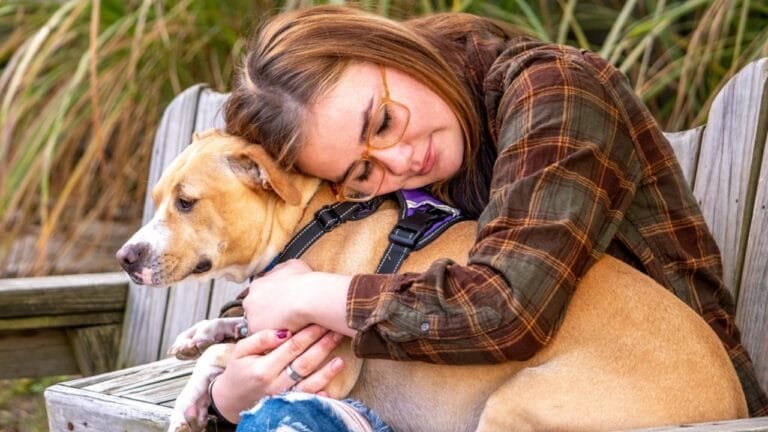
Why Do I Care More About Dogs Than Humans: Explained
If you care more about dogs than humans, you are not alone, and it does not automatically mean something is wrong with you. In the U.S., many people find dogs easier to trust, more emotionally steady, and less judgmental than people. That preference often reflects how your brain responds to loyalty, safety, and simple social cues—not a moral failure.

Why Dogs Can Feel Easier to Care About Than People
Dogs often feel safer to many Americans because their signals are clearer than human behavior. A dog usually shows stress, affection, fear, or excitement in ways that are easy to read. Human relationships, by contrast, can be mixed with mixed messages, rejection, conflict, and social pressure.
That difference matters. When a relationship feels predictable, the brain tends to relax. Dogs also offer affection without the same level of criticism, status games, or emotional ambiguity that people often bring into relationships.
A second reason is that dogs often fit a caregiving role that feels rewarding. People in the U.S. frequently describe pets as family members because pets provide routine, touch, and companionship. For someone who has felt judged, overlooked, or hurt by people, a dog may feel like a rare source of steady comfort.
What This Preference May Mean Emotionally
Caring more about dogs than humans can point to a few very different things. Sometimes it simply means you have a strong bond with animals and value their presence. Sometimes it reflects burnout, loneliness, social anxiety, past rejection, or a history of being let down by people.
It can also reflect empathy. Many people feel drawn to animals because animals seem vulnerable, honest, and dependent on human care. If you respond strongly to that vulnerability, your concern for dogs may be a sign of compassion, not detachment.
But the pattern can also be a warning sign if it comes with severe mistrust of people. If you feel that humans are always unsafe, exhausting, or not worth caring about, the issue may be less about dogs and more about pain that has not been processed.
Common Reasons People Relate More to Dogs Than Humans
Several factors often show up together. One person may have only one of these; another may have several at once.
| Possible reason | What it can feel like | Why dogs may feel easier |
|---|---|---|
| Past hurt from people | “People let me down.” | Dogs usually do not use shame, sarcasm, or manipulation. |
| Social burnout | “I am tired of people.” | Dogs offer companionship with less social effort. |
| Anxiety around judgment | “I never know what people want.” | Dog behavior is often more direct and consistent. |
| Strong empathy for animals | “Dogs seem innocent to me.” | Their dependence can trigger a protective response. |
| Attachment to routine | “My dog grounds me.” | Feeding, walking, and caring create structure. |
| Loneliness | “My dog is my safe companion.” | A dog can reduce the feeling of being alone. |
The key point is this: the preference itself is not unusual. What matters is whether it is helping you live well or pushing you away from human connection in a harmful way.
When It Is Normal, and When It May Signal a Problem
This preference is usually normal when you still can form at least some healthy human bonds. You may just feel more relaxed, affectionate, or natural around dogs. You may prefer animals without hating people.
It may be a concern when the feeling becomes extreme. Examples include refusing all human closeness, feeling contempt for people in general, or relying on dogs to avoid every hard relationship. If that is happening, the issue may be emotional protection rather than simple preference.
A useful test is practical:
- Normal preference: “I love dogs more, but I still care about people.”
- Possible problem: “Dogs are the only beings I trust, and I cannot connect with anyone.”
If the second statement fits, the deeper issue may be unresolved hurt, depression, anxiety, or a trauma response.
Why Dogs Can Trigger Stronger Attachment Than Humans
Dogs can create strong attachment because they are responsive, dependent, and emotionally expressive in a simple way. They often greet you with clear excitement, seek closeness, and repeat comforting routines. That consistency can build a powerful bond over time.
Human attachment is more complicated. People have competing needs, motives, boundaries, and opinions. A dog rarely asks you to decode hidden meaning or manage social status. For many people, that simplicity feels deeply safe.
There is also a biological side to the bond. Interaction with dogs can support feelings of calm and connection, partly because touch, eye contact, and routine care reinforce attachment. That does not make dogs “better” than people, but it helps explain why the bond can feel so strong.

What to Do If You Think This Points to a Deeper Issue
If your preference for dogs over humans feels mild, you may not need to “fix” anything. You can simply recognize that animals are a major source of comfort in your life. That is common and often healthy.
If the preference comes with pain, isolation, or anger, start by asking what dogs give you that people do not. Common answers include safety, predictability, unconditional acceptance, and calm. Once you name the need, you can look for healthier human ways to meet at least part of it.
A practical next step is to notice patterns:
- Which people feel draining or unsafe?
- What situations make you withdraw?
- Do you trust no one, or just a few specific people?
- Does your bond with dogs help you function, or keep you from connecting?
If the answer suggests trauma, severe anxiety, depression, or long-term isolation, talking with a licensed mental health professional in the U.S. can help. A therapist can help you separate a healthy love of animals from a deeper fear of people.
How to Tell If Your Dog Preference Is Healthy
A healthy preference usually has these signs:
- You enjoy dogs and still treat people with basic respect.
- Your bond with dogs improves your mood or routine.
- You can still maintain work, family, or friendship ties.
- You do not use dogs to avoid every human problem.
An unhealthy pattern may look different:
- You assume people are bad before getting to know them.
- You avoid human contact almost completely.
- You feel more safe with dogs than with all people, all the time.
- Your distrust keeps you isolated or stuck.
The difference is not whether you love dogs deeply. The difference is whether that love helps you stay connected to life, or whether it becomes a wall.
FAQs
Is it bad to care more about dogs than humans?
No, not by itself. Many people feel more natural affection for animals than for people. It becomes a concern only if it reflects deep mistrust, isolation, or contempt for others.
Does caring more about dogs mean I have no empathy for people?
Not necessarily. You may have strong empathy, but it may be easier to express toward beings that feel safe and uncomplicated. In some cases, it can also mean you have been hurt by people and protect yourself by preferring dogs.
Why are dogs easier to love than humans?
Dogs usually give clearer emotional signals, less judgment, and more routine comfort. Human relationships are more complex and can involve conflict, rejection, and mixed motives.
Can a therapist help with this?
Yes, especially if the preference comes with loneliness, anger, fear of people, or past trauma. Therapy can help you understand what your attachment to dogs is protecting you from.
Should I worry if my dog is my main source of comfort?
Not always. Many people lean on pets for emotional support. It is worth paying attention, though, if the dog is your only support and you feel unable to connect with anyone else.
Conclusion
Caring more about dogs than humans is often a response to safety, trust, and emotional simplicity. For many Americans, dogs offer the kind of steady affection people struggle to give. That does not make the feeling strange or wrong.
What matters is the reason behind it. If your love for dogs enriches your life, it is likely a strength. If it comes from deep pain with people, that pain deserves attention too.