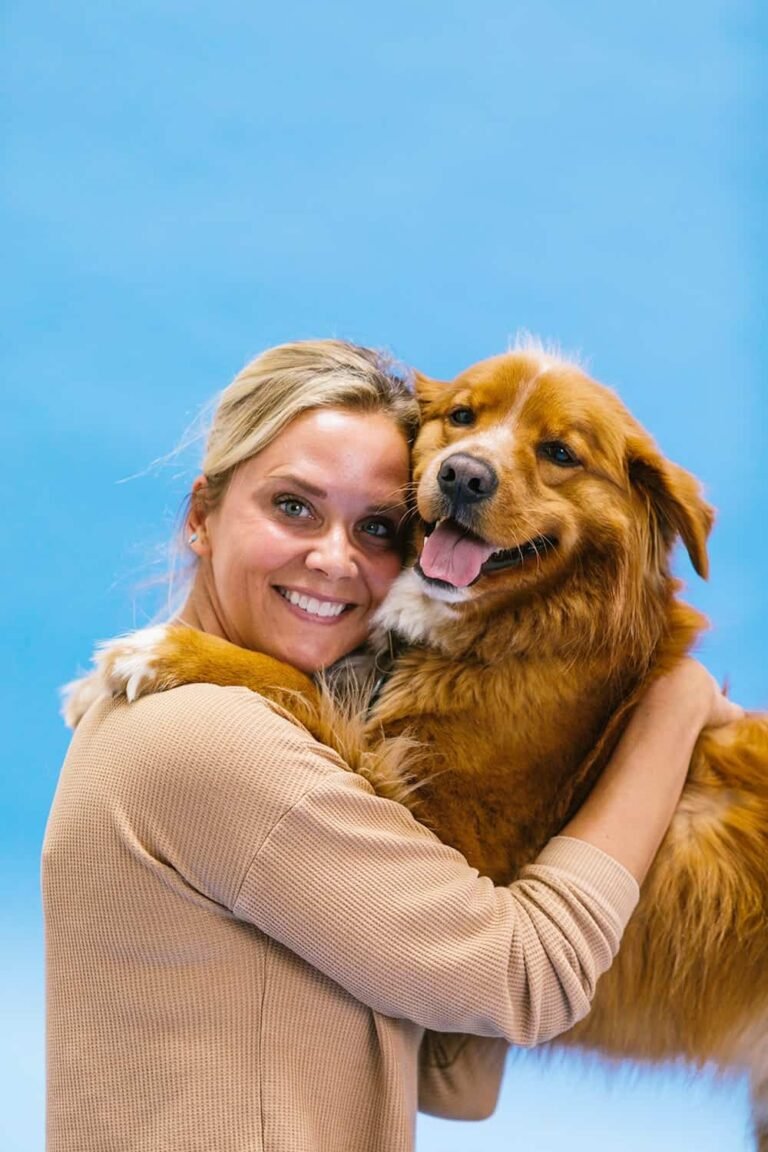
Why Do Dogs Obey Humans: The Real Reason
Dogs obey humans because they evolved to read our signals, learned that cooperation brings rewards, and formed a social bond with people that makes our cues meaningful. In the United States, where dogs live closely with families, trainers, and working handlers, obedience is usually less about “submission” and more about communication, reinforcement, and trust.
Most dogs do not obey every human every time. They respond best when the person is consistent, clear, and worth listening to. That is why a dog may sit for one handler, ignore another, and still seem perfectly “well behaved” in the right setting.

What “obey” really means in dogs
Dogs do not obey humans in the same way a soldier follows orders. In behavior science, obedience usually means a dog has learned to respond to a cue, like “sit,” “stay,” or “come.”
That response can come from several forces working together:
- Learning history: The dog has been rewarded for the behavior before.
- Social cues: The dog has learned to watch human gestures, voice tone, and body language.
- Bond and trust: The dog feels safe enough to follow direction.
- Environment: The dog is more likely to respond when distractions are low.
In practice, “obedience” is a learned behavior, not blind loyalty. A dog sits because sitting has worked before and because the human cue has meaning.
Why dogs are so good at reading people
Dogs are unusually skilled at noticing human communication. Compared with many other animals, dogs pay close attention to where a person points, looks, or moves. That ability likely developed through domestication and long exposure to people.
Dogs respond to human body language
Dogs often understand a hand signal faster than a spoken word. That is because dogs are highly responsive to movement, posture, and direction of attention.
A human leaning forward, pointing, or reaching can tell a dog what to do before a word is even spoken. For many dogs, the body signal is the real cue and the voice is just extra information.
Dogs learn human routines
Dogs also obey because they are excellent pattern learners. If “sit” always comes before a treat, a leash clip, or going outside, the dog links the cue with the outcome.
This is one reason consistent routines matter so much. Dogs thrive on repetition because repetition makes the rules easier to predict.
Dogs are wired to notice social rewards
Praise, food, play, and access to favorite activities all reinforce obedience. To a dog, a happy voice or a quick game of tug can be as motivating as a treat.
This is not a moral choice in the human sense. It is learning shaped by reward.
The role of domestication in dog obedience
Dogs did not evolve to obey humans by accident. Over thousands of years, the dogs that were better at living near people were more likely to survive and reproduce.
That process favored traits such as:
- attention to human cues
- reduced fear around people
- willingness to cooperate
- tolerance of handling and confinement
In other words, the dogs we live with today are not just wolves in a house. They are a species shaped by selection for human-friendly behavior.
Why domestication matters in the United States
In American homes, dogs often live indoors, travel in cars, visit parks, and interact with many people. That makes human-directed behavior even more important.
A dog that can read people well is easier to train, safer in public, and more likely to fit into family life. That is why domestication still matters every day, not just in theory.
Why some dogs obey better than others
Not all dogs have the same level of obedience. Breed tendencies, age, training, health, and daily environment all affect how well a dog responds.
| Factor | How it affects obedience | Practical result |
|---|---|---|
| Training consistency | Repeated cues and rewards strengthen learning | Better response to commands |
| Age | Puppies need more repetition and shorter sessions | Slower but often steady progress |
| Distractions | High noise, smells, or other dogs reduce focus | Lower reliability outdoors |
| Health | Pain, hearing loss, or anxiety can limit response | Possible sudden “disobedience” |
| Breed tendencies | Some breeds are more handler-focused or independent | Different ease of training |
| Relationship | Trust and clarity improve cooperation | More reliable recall and calm behavior |
A dog that “knows” a command may still ignore it if the environment is too exciting or the reward is weak. That is not stubbornness alone. It is a mix of motivation, memory, and context.
Breed is only part of the story
People often assume breed explains everything, but that is too simple. Breed tendencies can influence energy level, hunting drive, independence, or eagerness to work, yet training and daily experience still matter a great deal.
A well-trained mixed-breed dog may obey better than a purebred dog that has never been taught clearly. The individual dog always matters.
How dogs learn to obey: the basic mechanism
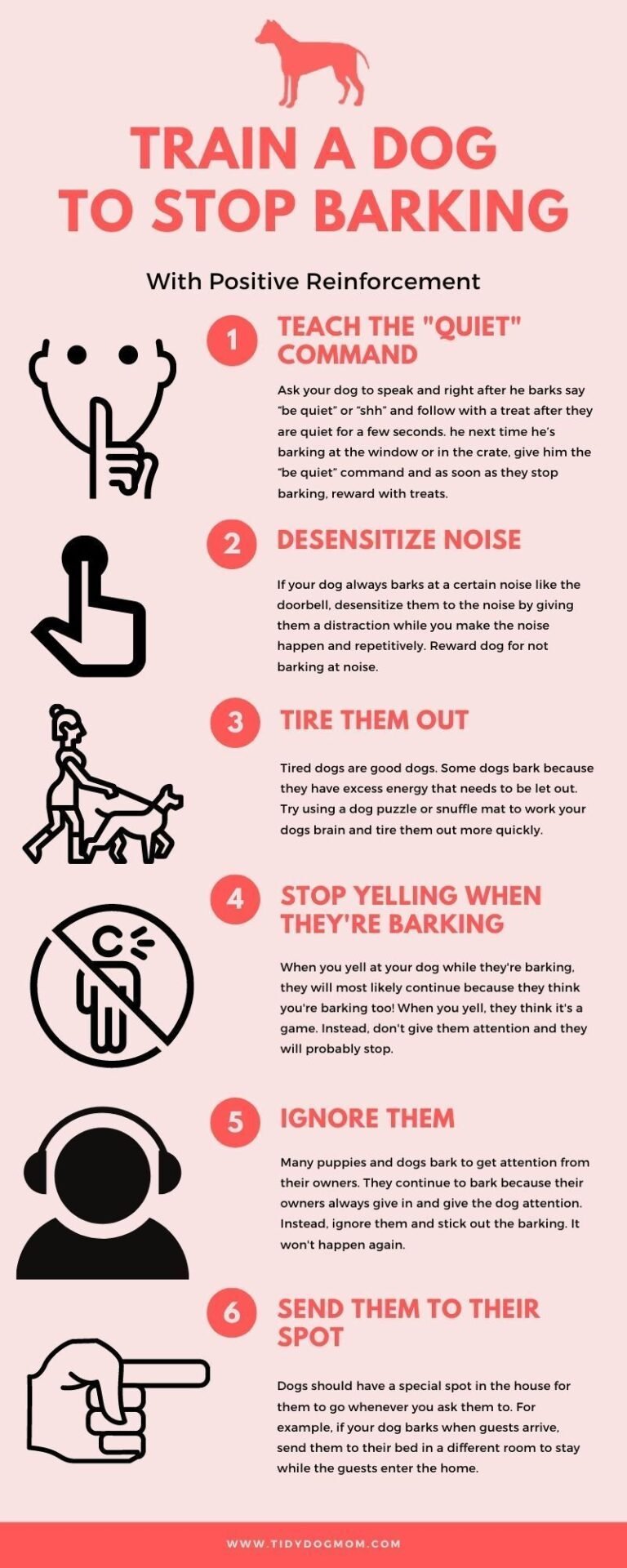
Dogs usually learn obedience through reinforcement. When a behavior leads to something good, the dog is more likely to repeat it.
Positive reinforcement
Positive reinforcement means adding something the dog wants after a correct behavior. For example:
- sit = treat
- come = praise and play
- stay = release and access to the yard
This method works because it tells the dog exactly which behavior paid off. It is one of the most reliable ways to build obedience.
Negative consequences and limits
Dogs also learn when certain actions do not work. If jumping does not get attention, the behavior may fade over time.
But harsh punishment can create fear, stress, or confusion. In some dogs, punishment suppresses behavior without teaching the correct replacement. That is why clear reinforcement usually works better than intimidation.
Timing matters
Dogs learn fastest when the reward comes immediately after the desired behavior. A delay of even a few seconds can blur the connection.
That is why trainers often use short sessions and quick rewards. Good timing turns a vague request into a clear lesson.
Why dogs seem loyal to one person
Many dogs appear to obey one person more than everyone else. Usually, that person is the one who provides the clearest cues, the most consistent routine, and the strongest rewards.
Dogs often prefer the person who:
- feeds them regularly
- trains them patiently
- plays with them often
- uses predictable body language
- avoids confusing or harsh corrections
This does not mean dogs ignore others out of spite. It usually means the dog has learned one person is easier to read and more rewarding to follow.
Is dog obedience love, fear, or training?
Usually, it is training plus trust, not one single emotion. A dog can obey because the behavior has been reinforced, because the person feels safe, and because the dog expects good things to follow.
Fear-based compliance is different. A fearful dog may freeze, avoid eye contact, or respond only under pressure. That can look like obedience, but it is not the same as a confident, trained response.
Signs of healthy obedience
Healthy obedience often looks calm and loose:
- relaxed body posture
- normal breathing
- willing eye contact
- quick but not frantic response
- ability to recover after a mistake
Signs something is off
If a dog obeys only when tense or scared, the training may be too harsh. Warning signs include:
- tucked tail
- cowering
- flinching
- shutdown behavior
- refusal to eat or play
If those signs appear, it is wise to step back and use gentler training methods. For persistent fear or aggression, a qualified trainer or veterinarian behavior professional can help.
Why obedience changes with context
A dog may obey at home but fail at the park, during a walk, or around guests. That is normal.
The reason is simple: the environment changes the value of the cue. A squirrel, another dog, or a strong smell can overpower the learned response. In those moments, the dog is not being “bad” so much as being highly distracted.
A practical example
A dog may respond instantly to “come” in the kitchen, then ignore it at a busy dog park. The command is not erased. It is competing with stronger rewards in the environment.
That is why trainers practice commands in easy settings first, then slowly increase difficulty. Dogs need to learn that obedience works everywhere, not just in one quiet room.
Common mistakes owners make
Many obedience problems come from training mistakes, not from a dog’s character.
1. Being inconsistent
If one person allows jumping and another corrects it, the dog gets mixed messages. Consistency is one of the strongest predictors of reliable obedience.
2. Repeating commands too often
Saying “sit, sit, sit” teaches the dog to wait for the third word. Give the cue once, then help the dog succeed.
3. Rewarding the wrong moment
If a dog gets a treat after standing up instead of while sitting, the wrong behavior may be reinforced. Timing matters more than many owners realize.
4. Expecting too much too soon
Puppies, rescue dogs, and anxious dogs need slower progress. Long sessions often lead to frustration instead of learning.
5. Ignoring health issues
Pain, hearing loss, arthritis, or vision problems can make a dog seem disobedient. If a dog suddenly stops responding, a veterinary check is a smart first step.
When dogs do not obey at all
When a dog seems to ignore all cues, the issue is usually one of four things:
- The dog never fully learned the behavior
- The behavior was not reinforced well enough
- The environment is too distracting
- A medical or emotional issue is getting in the way
Start by checking the easiest explanation first. If the dog responds indoors but not outside, the problem is likely distraction or incomplete training. If the change is sudden, think health first.
What to do next
- shorten training sessions
- use higher-value rewards
- reduce distractions
- practice in smaller steps
- check for pain or illness if behavior changed suddenly
If the dog is aggressive, panicked, or unsafe to handle, get professional help rather than trying to force compliance.
The short answer: why do dogs obey humans?
Dogs obey humans because they are highly social animals that evolved to notice us, learned that human cues predict rewards, and often trust the people giving those cues. Obedience is built through reinforcement, repetition, and relationship.
In plain terms, dogs listen when it makes sense to them. The best results come when humans are clear, fair, and consistent.
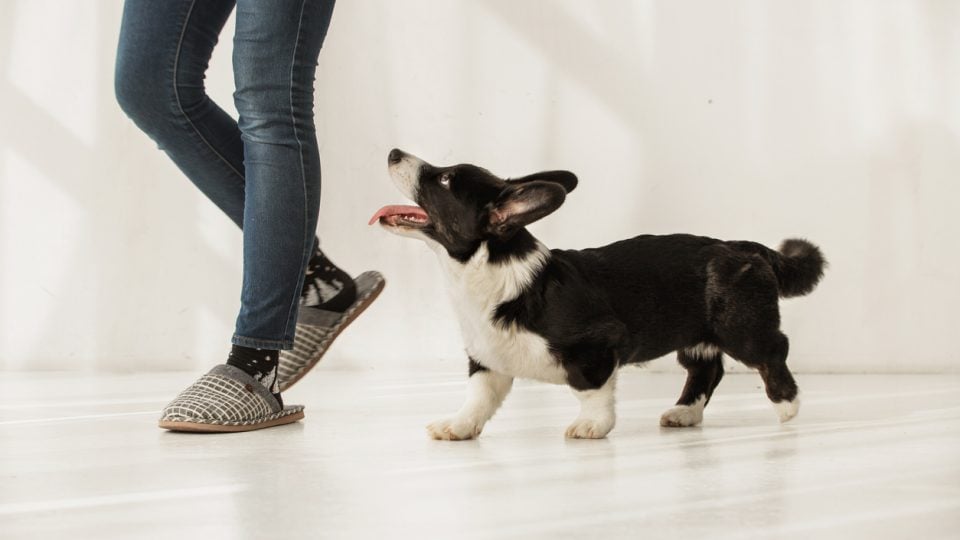
FAQs
Do dogs obey because they think humans are pack leaders?
Not exactly. The old “alpha” idea is oversimplified and often misused. Most obedience comes from learning, routine, and reinforcement, not from a dog accepting a human as a dominant pack boss.
Can any dog be trained to obey?
Most dogs can learn basic obedience, but the speed and reliability vary. Health, age, breed tendencies, fear, and training history all affect progress.
Why does my dog listen to me but not my spouse?
Your dog may understand your cues better, prefer your timing, or have been rewarded more consistently by you. It is usually a training and communication issue, not a personal rejection.
Does punishment make dogs obey better?
Sometimes it can stop a behavior in the moment, but it often does not teach the dog what to do instead. For many dogs, reward-based training produces clearer and more lasting obedience.
What is the fastest way to improve obedience?
Use short sessions, clear cues, and immediate rewards. Start in a quiet place, then practice in gradually harder settings.
Conclusion
Dogs obey humans because obedience is a learned social behavior shaped by domestication, training, and trust. They are not simply following orders out of instinct; they are responding to patterns they have learned are safe, useful, and rewarding.
If you want better obedience, focus on clarity, consistency, and reward. That approach works because it fits how dogs actually learn.