Why Do Dogs Bond With One Person: Real Reasons Explained
Dogs often bond most strongly with one person because that person usually becomes the main source of safety, routine, food, play, and emotional comfort. In the United States, that “favorite human” pattern is especially easy to spot in busy households where one person feeds the dog, handles walks, and does most of the training. Over time, the dog learns who feels most predictable and rewarding.
What a one-person bond really means
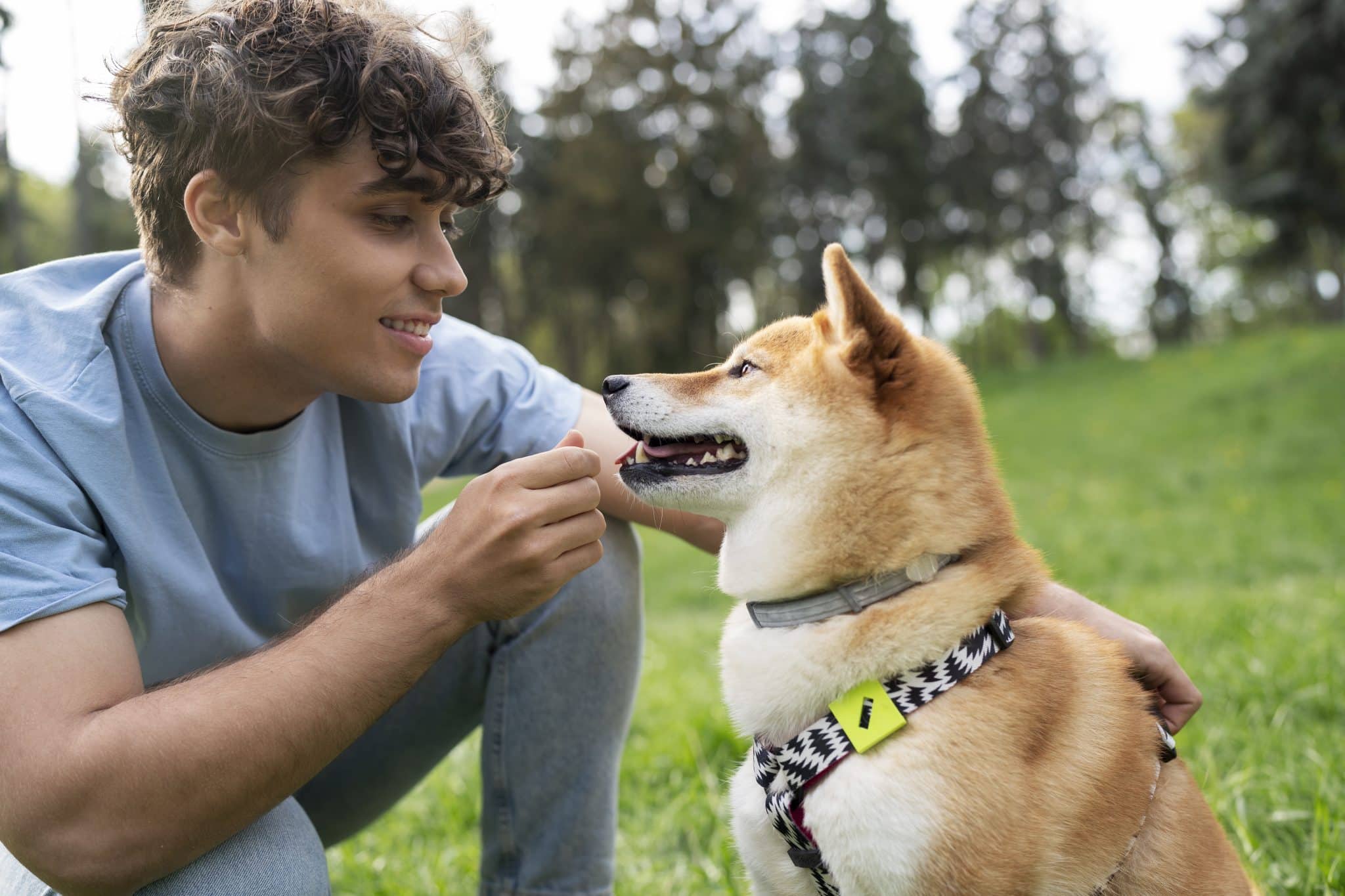
A strong bond does not mean a dog loves only one person. It usually means the dog has a primary attachment figure, similar to how some children rely more on one caregiver for comfort and confidence. In dog behavior, this attachment shows up as following one person, checking in with them first, or preferring them during stress.
This pattern is normal. Dogs are social animals, and they form attachments through repeated positive experiences. The person who consistently meets the dog’s needs often becomes the dog’s safest “base.”
Why dogs choose one person over others
Dogs tend to bond most with the person who creates the strongest mix of predictability, reward, and emotional safety. That bond is built day by day, not overnight.
1. The person provides the most care
Food, walks, medication, grooming, and training all matter. When one person handles most of these tasks, the dog naturally learns that this person is important.
Dogs are excellent at linking actions with outcomes. If a person appears before meals, fun, and comfort, the dog’s attachment deepens.
2. The person uses the clearest communication
Dogs bond with people who are easy to read. Calm body language, consistent cues, and fair rules make life less confusing.
A person who changes commands often, gets loud, or sends mixed signals may feel less safe to a dog. Predictability builds trust faster than affection alone.
3. The person has the dog’s daily routine
Dogs like rhythm. They notice who opens the crate, starts the morning walk, or settles them at night.
Routine matters because it lowers uncertainty. In a dog’s mind, the person tied to routine becomes a reliable anchor.
4. The person matches the dog’s personality
Some dogs prefer a calm adult. Others feel more comfortable with a playful, energetic person. A dog may bond more with the person whose style fits the dog’s temperament.
For example, a shy rescue dog may attach to the quiet person who gives space. A young, high-energy dog may choose the person who plays fetch and explores outside.
5. The person is present during fear or stress
Dogs often form their deepest attachments around emotional relief. If one person comforts them during thunderstorms, vet visits, fireworks, or unfamiliar guests, that person may become the dog’s trusted safe place.
This does not mean the dog is “needy.” It means the dog has learned where comfort comes from.
6. The person rewards attention well
Dogs repeat what works. If one person gives praise, treats, toys, and affection at the right moments, the dog will seek that person more often.
Reward timing matters. Even simple things like eye contact, a warm voice, and a quick treat after good behavior can strengthen the bond.
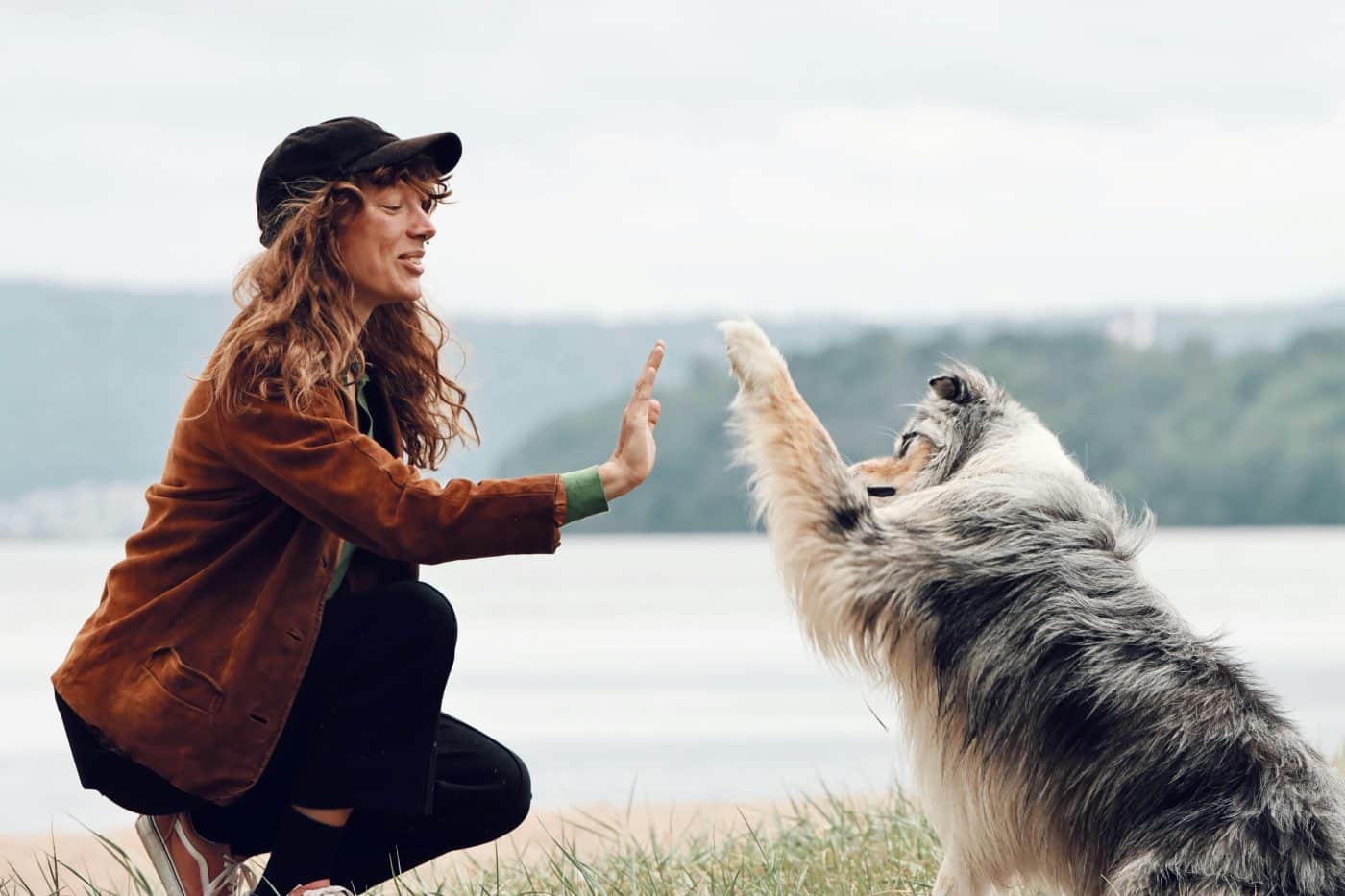
How dogs form attachment: the mechanism behind the bond
Dogs form attachment through learning, emotion, and repeated social experience. The mechanism is practical: the brain links a person with safety and good outcomes.
Attachment starts with association
A dog first learns that a person predicts something useful. That may be food, play, comfort, or access to the outdoors.
After many repetitions, the association becomes emotional. The dog does not just recognize the person; the dog feels better around that person.
Familiarity turns into trust
Trust grows when the person stays consistent. Dogs feel more secure when they can predict what will happen next.
If a person is gentle, fair, and steady, the dog can relax. That relaxed state is a big part of bonding.
Positive reinforcement strengthens the tie
Positive reinforcement means rewarding behaviors you want to see again. In dog training, that often means treats, praise, or play after the dog looks at you, comes when called, or sits calmly.
When one person uses positive reinforcement most often, the dog may become more focused on that person. The bond grows because the dog expects good things from them.
Signs your dog has bonded with one person
A strongly bonded dog often shows a clear preference without being unhealthy or anxious. Common signs include:
- Following that person from room to room
- Relaxing more quickly near that person
- Looking to that person first in new situations
- Choosing to sleep nearby
- Responding faster to that person’s voice or cues
- Bringing toys or seeking play from that person
- Showing more excitement when that person comes home
These signs are most meaningful when they appear consistently over time. One excited greeting is not enough to prove a deep bond.
When a one-person bond becomes a problem
A strong bond is not always a problem. It becomes a concern when the dog cannot cope without the preferred person.
Warning signs include:
- Panic when that person leaves
- Refusal to eat or settle for others
- Destructive behavior only when separated
- Excessive barking, pacing, or whining
- Inability to accept handling from other adults
These signs can point to separation-related distress, not just preference. If the behavior is severe, frequent, or worsening, a veterinarian or qualified behavior professional should help.
Why some dogs bond more with one person than another
Several variables can shift the balance:
| Factor | Effect on bonding | Example |
|---|---|---|
| Time spent together | More time usually means stronger attachment | One person feeds and walks the dog daily |
| Training style | Calm, consistent training often builds trust | One person uses the same cues every day |
| Emotional tone | Dogs may prefer people who feel safe and steady | A dog avoids tense or unpredictable interactions |
| Physical size and movement | Some dogs prefer quieter or less abrupt people | A shy dog feels safer with slow movements |
| Past history | Rescue dogs may bond strongly to the person who feels most secure | A dog with a rough past attaches to one trusted adult |
| Age and life stage | Puppies and seniors may have different social needs | A puppy may bond with the person who trains most often |
This is why two dogs in the same home can bond in very different ways. Each dog is responding to the pattern that feels safest and most rewarding.
Common mistakes that can weaken the bond
People sometimes think bonding comes from affection alone. In reality, dogs bond through consistent experience.
Being affectionate but inconsistent
A dog may enjoy affection and still feel unsure if rules change constantly. Consistency matters more than constant petting.
Using punishment too often
Harsh corrections can make a dog less confident around people. Fear may reduce trust instead of building respect.
Letting only one person do all the important work
If one person handles everything and others do nothing, the dog will naturally prefer the main caregiver. Shared feeding, walking, and training can help the dog build comfort with more people.
Ignoring the dog’s comfort level
Some dogs need space before they can bond well. Pushing contact too fast can backfire.
How to build a stronger bond with your dog
If you want your dog to feel closer to you, focus on trust first. A strong bond grows from daily habits.
- Feed the dog on a steady schedule.
- Use the same cues for basic commands.
- Reward calm behavior and check-ins.
- Spend one-on-one time walking, training, or playing.
- Respect the dog’s body language and space.
- Keep your tone calm and your rules clear.
The goal is not to become the “favorite” by force. The goal is to become the person your dog can rely on.
FAQs
Do dogs always choose one favorite person?
No. Some dogs are evenly attached to several people, especially in stable households with shared care.
Can a dog bond with more than one person?
Yes. Dogs can form secure attachments to multiple family members, especially when several people feed, train, and interact with them.
Why does my dog follow me everywhere?
That usually means you are a major source of safety, routine, or reward. It can also be a sign of anxiety if the behavior is intense.
Why does my dog like my partner more than me?
Your partner may be doing more feeding, training, play, or comforting. Dogs often bond most with the person who gives the clearest daily structure.
Should I be worried if my dog prefers one person?
Not necessarily. It is usually normal. Worry only if the dog becomes distressed, reactive, or unable to function without that person.
Conclusion
Dogs bond with one person because that person often becomes the most predictable, rewarding, and emotionally safe part of the dog’s world. The bond comes from repeated experiences, not from luck or status. In most U.S. homes, the strongest attachment grows where care, routine, and trust meet.
If you want a deeper bond, focus on consistency, positive reinforcement, and calm daily care. That is what dogs remember best.