Why Do Dogs Love Humans: The Science Explained
Dogs love humans because thousands of years of domestication shaped them to seek human connection, trust human cues, and feel reward from social interaction with people. In plain terms, many dogs see humans not just as providers of food and safety, but as their closest social partners.
This bond is especially strong in the United States, where dogs are often treated as full family members, live indoors, and share daily routines with their owners. That close contact helps dogs build attachment, read human emotions, and reinforce affectionate behavior over time.

The short answer: dogs are built to bond with people
Dogs love humans because they are biologically wired to connect with us. Compared with wolves, dogs were selected for traits like friendliness, low fear, and attention to human signals. Those traits make human companionship feel safe and rewarding to many dogs.
That does not mean every dog shows love the same way. Some dogs are cuddly and outgoing, while others are quiet, cautious, or slow to trust. But the core pattern is the same: dogs often treat humans as a source of comfort, security, and positive experiences.
How domestication shaped the dog-human bond
Domestication is the biggest reason dogs love humans. Over many generations, dogs that tolerated people and cooperated with them were more likely to survive and reproduce. That process gradually favored dogs that could live near humans and respond to human behavior.
Researchers have found that dogs are unusually skilled at reading human pointing, gaze, and body language. That is not just cute behavior. It is a survival advantage that helps dogs get food, guidance, and safety from people.
Why human contact feels good to dogs
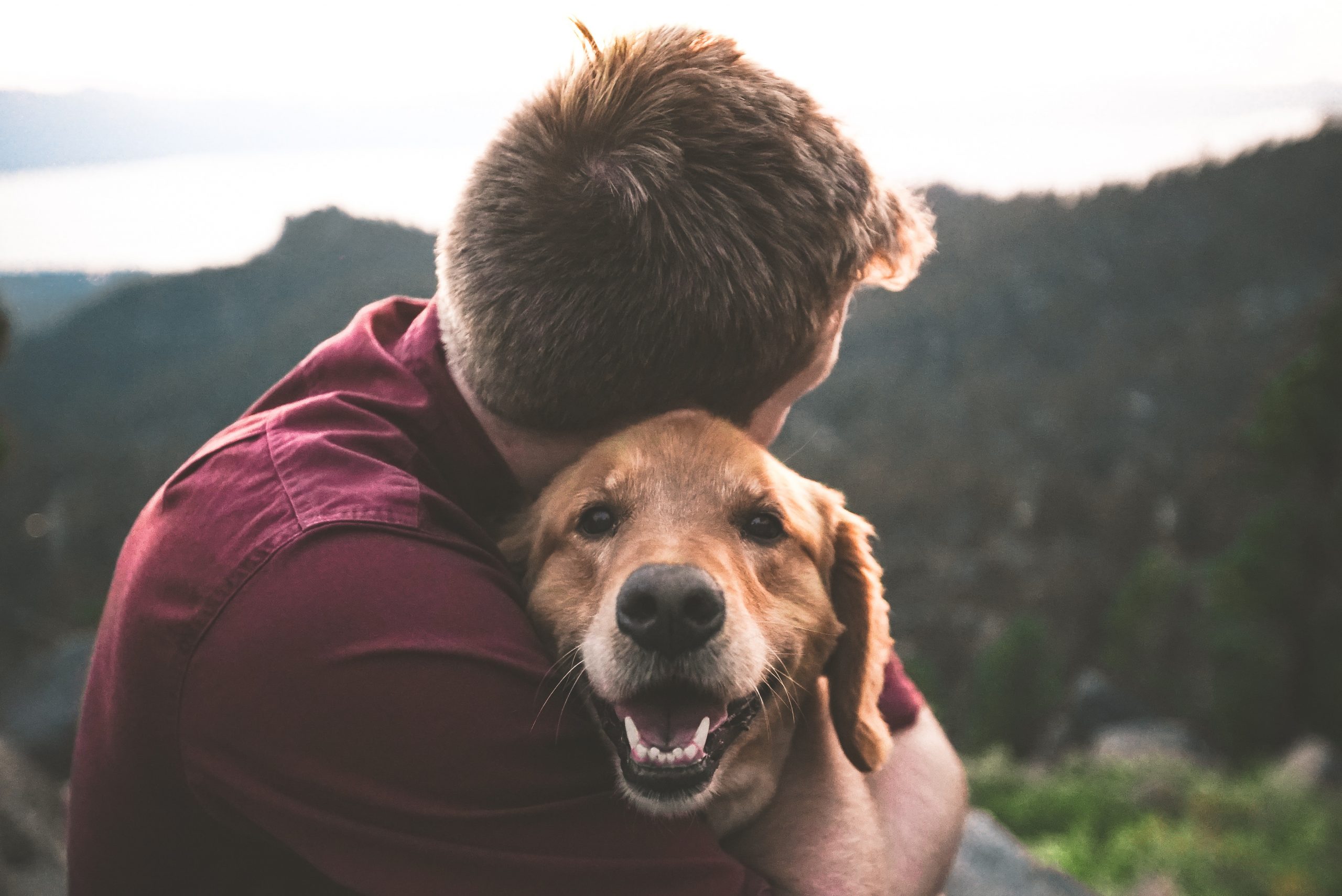
Human interaction can trigger reward in a dog’s brain. Petting, praise, play, and food all activate positive associations. For many dogs, being near a trusted person becomes a reliable signal that good things are coming.
Oxytocin also appears to play a role in the dog-human bond. Oxytocin is a hormone involved in social bonding in many mammals. In studies of dogs and their owners, friendly interaction can raise oxytocin levels in both species, which helps explain why mutual eye contact and affection can strengthen the relationship.
What dogs get from loving humans
Dogs do not love humans for one single reason. They usually get several benefits at once.
- Safety: Humans protect them from danger.
- Food: People provide regular meals and treats.
- Routine: Dogs feel calmer when life is predictable.
- Social contact: Many dogs are highly social animals and want companionship.
- Play: Fetch, tug, walks, and training meet both mental and physical needs.
In other words, humans often function as a dog’s caregiver, playmate, and security base all at the same time. That is a powerful combination.
How dogs show love to humans
Dogs show affection in many ways, and some are easy to miss. A dog does not need to lick your face or jump on you to show attachment.
Common signs include:
- following you from room to room
- soft eye contact
- relaxed body posture near you
- leaning against you
- wagging in a loose, full-body way
- bringing toys to you
- checking in on you during walks or at home
- greeting you with excitement after separation
These behaviors usually mean the dog feels safe and socially connected. If a dog is calm around you and chooses to stay close, that is often a stronger sign of trust than dramatic displays.
Why some dogs love one person more than others
Dogs often bond strongly with the person who feeds, trains, walks, and comforts them most consistently. Repetition matters. The person who meets a dog’s needs in a steady, predictable way becomes especially important.
Breed tendencies can also play a role, but they do not determine the whole story. Individual temperament, early socialization, and past experiences matter just as much. A rescue dog with a difficult history may take longer to warm up, while a well-socialized puppy may bond quickly with several people.
A simple comparison: what drives canine affection
| Factor | What it does | Practical effect |
|---|---|---|
| Domestication | Selects for friendliness toward humans | Dogs are more likely than wolves to seek human contact |
| Routine care | Links people with food, safety, and comfort | Dogs learn that humans are dependable |
| Training and play | Builds cooperation and positive memory | Dogs enjoy working with people |
| Oxytocin-based bonding | Supports social attachment | Eye contact and affection can deepen trust |
| Early socialization | Teaches dogs that people are safe | Dogs are more confident and affectionate |
This table shows why dog love is not random. It is the result of biology, learning, and repeated positive experience working together.
Common misconceptions about why dogs love humans
One common myth is that dogs love humans only because of food. Food matters, but it is not the whole answer. Dogs also seek touch, attention, play, and emotional security.
Another mistake is assuming a dog is “stubborn” when it is actually frightened, under-socialized, or confused. A dog that avoids people may not love less; it may just need more time and better experiences. Attachment is not a switch. It grows through trust.
When a dog does not seem to love humans
Some dogs are shy, anxious, or slow to bond. That does not always mean something is wrong. It may reflect genetics, early life stress, poor socialization, pain, or a lack of safe experiences with people.
If a dog seems unusually withdrawn, fearful, or aggressive, the first step is to rule out medical problems with a veterinarian. Pain and illness can change behavior fast. If the dog is physically healthy but still struggles with people, a qualified trainer or veterinary behaviorist can help build trust safely.
How to strengthen the bond with your dog
The best way to deepen a dog’s love is to become predictable, safe, and rewarding.
- Feed on a regular schedule.
- Use calm, clear training.
- Offer daily exercise suited to the dog’s age and health.
- Play in ways the dog enjoys.
- Respect the dog’s space when it needs rest.
- Reward relaxed behavior, not just excitement.
- Keep interactions positive and consistent.
Small habits matter more than dramatic gestures. To a dog, the person who shows up every day with kindness is often the most beloved one in the house.

FAQs
Do dogs actually feel love for humans?
Yes, dogs appear capable of forming strong social attachments to humans. Their behavior, learning patterns, and hormone responses support that conclusion. The exact emotional experience is difficult to measure directly, but the bond is real and observable.
Why do dogs stare at humans?
Dogs often stare to gather information, seek direction, or express attachment. In many cases, a calm gaze means the dog is checking in with a trusted person. Mutual eye contact can also support bonding.
Why do dogs sleep near humans?
Dogs sleep near humans because proximity feels safe and comforting. In a home, sleeping close can also reflect trust and social attachment. For many dogs, it is the canine version of wanting to stay near family.
Do dogs love kids the same way they love adults?
They can, but the bond depends on the dog’s experience with children. Some dogs enjoy kids because they are playful and interactive. Others may find children unpredictable and need supervision and training to stay comfortable.
Can a dog love more than one person?
Yes. Many dogs bond with several people in the same household. The strongest bond often goes to the person who provides the most care, consistency, and positive interaction, but dogs can absolutely form multiple close attachments.
Conclusion
Dogs love humans because their biology and life experience both point them toward us. Domestication made dogs better at bonding with people, and daily care strengthens that bond through trust, routine, and reward. If you want a stronger connection with your dog, focus on consistency, kindness, and positive interaction.