Why Are Dogs So Expressive: The Science Explained 2027
Dogs are so expressive because they evolved to communicate closely with humans and other dogs using faces, eyes, posture, ears, tail position, and movement. In the United States, where millions of households live with dogs as family pets, that expressive behavior helps people read what a dog wants, feels, and needs far more easily than with many other animals.
Quick Answer
Dogs look expressive because they are built to send social signals. Over thousands of years, dogs that were better at reading people and being read by people had an advantage. Their facial muscles, eyes, and body language now work together like a live status board, showing excitement, fear, curiosity, stress, and affection.

Why Dogs Seem So Emotionally Transparent
Dogs seem expressive because their signals are easy for humans to notice. A head tilt, raised eyebrows, pinned ears, a tucked tail, or a full-body wiggle can all change in seconds. That makes a dog’s emotional state feel obvious, even when the real meaning is more nuanced.
Dogs are also highly responsive to human attention. Many dogs watch our faces, follow our pointing, and react to our tone of voice. That close social bond makes their expressions feel personal, almost like they are talking without words.
There is one important limit: a dog’s expression does not always mean the same thing in every dog. Breed, age, past experience, pain, and context all matter. A wagging tail, for example, can signal excitement, but it does not always mean friendliness.
The Biology Behind Dog Expressions
Dogs are expressive because their bodies are wired for social communication. Several biological features work together to create that effect.
Facial muscles and eyebrow movement
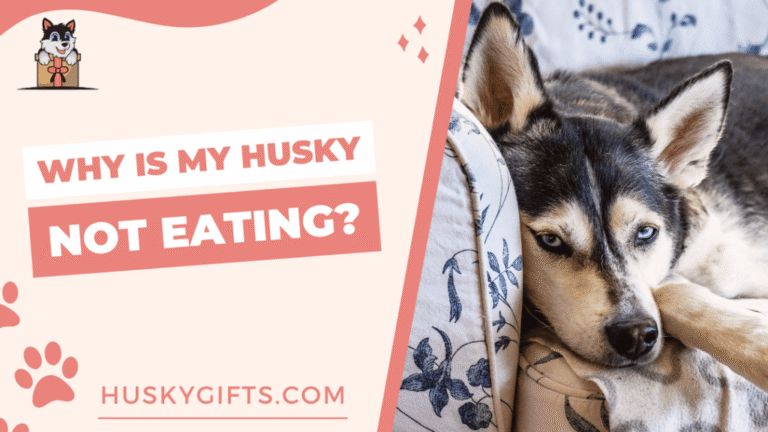
Dogs have facial muscles that help them move the skin around the eyes and mouth. In many dogs, this creates the “puppy dog eyes” look people find so hard to ignore. The lifted inner eyebrow area can make a dog look sad, hopeful, or pleading, even when the dog is simply alert or seeking attention.
Research has found that some dogs use eye movements and facial changes more in the presence of humans. That does not mean dogs are pretending. It means they have learned which expressions get results from people.
Ears, tail, and posture
A dog’s ears and tail are major parts of the message. Ears forward can suggest interest. Ears back can signal worry, submission, or uncertainty. A high tail may show confidence or arousal, while a low or tucked tail often signals stress or fear.
Body posture adds another layer. A loose body usually suggests comfort. A stiff body can warn that the dog is tense or defensive. When you read the whole body instead of one feature, the message becomes clearer.
Eyes and gaze
Dogs use eye contact in a special way with humans. Soft eyes may signal relaxation. A hard stare can be a warning. Looking away may mean deference, discomfort, or an effort to reduce tension.
Dogs also pay close attention to human faces. That is one reason they seem so tuned in. They are not just showing expressions; they are also reading ours.

Source: pinterest.com
Why Dogs Became So Good at Reading People
Dogs are expressive because domestication favored dogs that could live around humans. Dogs that responded well to human cues were more likely to survive and reproduce near people. Over time, that selected for dogs that were better social partners.
This matters because expression is a two-way system. Dogs that could signal clearly were easier for humans to train, feed, protect, and keep. Humans, in turn, tended to favor dogs that seemed more understandable and more emotionally engaging.
The result is a species that often looks unusually “human-like” in emotion. That does not mean dogs feel exactly like people. It does mean they have evolved a communication style that fits human attention very well.
What Different Dog Expressions Usually Mean
Dog expressions are useful, but they should always be read in context. The same signal can mean different things depending on what happens next.
| Expression | What it may mean | What to check next |
|---|---|---|
| Relaxed mouth, loose body | Comfort, calm interest | Tail, ears, and overall movement |
| Panting with no heat or exercise | Stress, pain, excitement, or overheating | Environment and body tension |
| Lip licking or yawning | Discomfort, appeasement, or mild stress | Whether the dog is being approached or handled |
| Tail wagging | Excitement, greeting, or arousal | Tail height, speed, and body stiffness |
| Ears pinned back | Fear, uncertainty, or appeasement | Whether the dog is backing away or freezing |
| Whale eye, showing whites of eyes | Stress or guardedness | Proximity of people, children, or other dogs |
| Stiff body and fixed stare | Warning, arousal, or possible conflict | Remove pressure and give space |
A single signal is never enough. Look for clusters of behavior. If a dog’s ears, eyes, mouth, and posture all point in the same direction, the message is much more reliable.
Why Some Dogs Look More Expressive Than Others
Dogs are not equally expressive. Breed traits, face shape, coat color, and training can change how easy they are to read.
Breed and face shape
Dogs with shorter muzzles or more visible facial features may appear more expressive to humans because their eyes and mouths are easier to read. Dogs with very furry faces can still be expressive, but the signs may be subtler. A viewer has to watch posture, tail, and motion more carefully.
Individual personality
Some dogs are naturally more animated. Others are reserved. A bold, social dog may show bigger gestures, while a shy dog may communicate through very small signals. That does not mean one dog feels more than another. It just means the expression style differs.
Experience and training
A dog that has learned that people respond well to certain behaviors may use them more often. For example, a dog may learn to sit and stare when it wants a treat or tilt its head when someone talks. That learned behavior can make the dog seem extra expressive.

Source: pinterest.com
Common Mistakes People Make When Reading Dog Expressions
The biggest mistake is reading one sign in isolation. A wagging tail alone does not prove happiness. A dog can wag while nervous, conflicted, or overstimulated.
Another mistake is assuming a dog is “guilty” because it looks ashamed. In many cases, the so-called guilty look is really a response to the owner’s tone, body language, or past experience. The dog may be worried about what happens next, not about the earlier act itself.
People also misread excitement as friendliness. A jumping, barking, highly aroused dog may be eager but not calm enough for safe interaction. The safest approach is to look for loose, soft, and relaxed signals before moving closer.
How to Read Your Dog More Accurately
Start by watching the whole dog, not just the face. A useful rule is to ask three questions:
- Is the body loose or stiff?
- Are the eyes soft or hard?
- Is the dog moving toward something or away from it?
Then check the setting. A dog in the park, at the vet, or near a food bowl may show the same signal for different reasons. Context changes the meaning.
If you want a better read, compare your dog’s expression to its normal baseline. Some dogs are naturally dramatic. Others are subtle. Knowing your own dog’s usual style makes unusual behavior easier to spot.
When Expressive Behavior May Signal a Problem
Sometimes an expressive dog is not just “being cute.” Sudden or persistent changes can point to stress, fear, pain, or illness.
Watch for these warning signs:
- Unusual hiding or withdrawal
- Sudden aggression or snapping
- Constant panting without heat or exercise
- Repeated lip licking, yawning, or shaking off
- Stiffness, limping, or reluctance to move
- A sudden change in eye contact, posture, or social behavior
If these changes are new, severe, or tied to pain, contact a veterinarian. Behavioral changes can be the first clue that something medical is wrong. That is especially important if the dog seems less expressive than usual or is reacting sharply to normal handling.
Why We Find Dogs So Relatable
Dogs are expressive because their signals map closely onto human emotion cues. We are built to notice faces, eyes, and posture. Dogs use those same channels, so their communication feels familiar.
That is part of the emotional bond people feel with dogs across the United States. A dog can seem to “say” hello, ask for help, or show concern without words. In reality, the dog is using body language that we are unusually good at noticing.
FAQs of Why Are Dogs So Expressive
Why do dogs make such expressive faces?
Dogs make expressive faces because they have facial muscles that move the eyes, brows, and mouth in ways humans easily read. They also learned, through domestication and daily life with people, that facial signals can get a response.
Do dogs really feel emotions like humans?
Dogs likely feel basic emotions such as fear, joy, stress, and attachment, but not necessarily in the same complex way humans do. Their expressions show emotional states, but we should avoid assuming they experience every feeling exactly as people do.
Why does my dog tilt its head when I talk?
Head tilting often means your dog is trying to hear better, process a sound, or focus on you. It can also be a learned response if your dog has noticed that head tilts get attention.
Is a wagging tail always a happy dog?
No. Tail wagging can mean excitement, nervousness, tension, or friendliness. The rest of the body tells you more than the tail alone.
Why does my dog look sad when it wants something?
Your dog may be using an expression that humans interpret as sadness, or it may be reacting to your attention and tone. In many cases, the “sad” look is a social signal that helps the dog get a response.
Conclusion
Dogs are so expressive because they evolved to live and communicate with people. Their faces, eyes, ears, tails, and posture work together to send fast social signals. When you read those signals as a full picture, you understand your dog more clearly and can respond more safely and calmly.
If you want the most accurate read, focus on context, not just one cute expression. That is the real key to understanding why dogs seem to wear their emotions on their faces.