A good dog owner provides consistent care, proper nutrition, training, exercise, veterinary support, safety, and a strong bond built on trust and patience.
In the United States, millions of households share their lives with dogs, making responsible ownership an important part of everyday family care. Being a good dog owner is not only about giving treats or providing a comfortable home. It means understanding your dog’s physical, emotional, and behavioral needs and creating routines that support long-term well-being.
A responsible dog owner learns what a dog needs before problems appear. This includes preparing a safe environment, choosing appropriate food, scheduling veterinary care, teaching good behaviors, and recognizing signs of stress or illness. Dogs depend on people for nearly every part of their daily life, so consistent and informed care makes a major difference.
Good ownership is a long-term commitment. A dog is a social animal that needs companionship, guidance, and protection. The goal is not to create a perfect pet but to build a healthy relationship where the dog feels secure and the owner understands how to meet changing needs throughout the dog’s life.
Source: sp-ao.shortpixel.ai
Understand What Responsible Dog Ownership Means
A good dog owner understands that owning a dog is a daily responsibility, not a temporary hobby. Dogs require care every day, including weekends, holidays, and during busy periods. Before bringing a dog home, owners should consider time, finances, living space, and the ability to provide lifelong care.
Responsible ownership means making decisions based on the dog’s needs instead of convenience alone. A dog’s size, age, energy level, temperament, and health history can affect everything from exercise routines to feeding choices.
Source: dogsvets.com
Provide lifelong commitment
Dogs may live for many years, so owners should be prepared for long-term responsibilities including aging care and medical needs.
Learn your dog’s individual needs
Each dog has a unique personality and may require different levels of activity, training, and attention.
Create a stable routine
Consistent feeding, walking, sleeping, and training schedules help dogs feel safe and understand daily expectations.
Prepare Before Bringing a Dog Home
Preparation helps prevent common ownership problems. A new dog needs safe areas, appropriate supplies, a plan for veterinary care, and realistic expectations about adjustment time.
New owners should learn about basic dog behavior before arrival. Understanding normal behaviors such as chewing, barking, sniffing, and exploring can make training easier and reduce frustration.
Safety preparation
Remove hazards, secure dangerous items, and create a comfortable resting area.
Family agreement
Everyone in the household should understand feeding, walking, training, and safety responsibilities.
Meet Your Dog’s Basic Daily Needs
A good owner starts with the basics: clean water, balanced food, safe shelter, exercise, rest, and attention. These needs form the foundation of a dog’s physical and emotional health.
Dogs cannot explain discomfort or hunger in words, so owners must observe behavior, body condition, energy levels, and habits. Small changes can provide early clues that something needs attention.
Source: esaletterny.com
Food and water
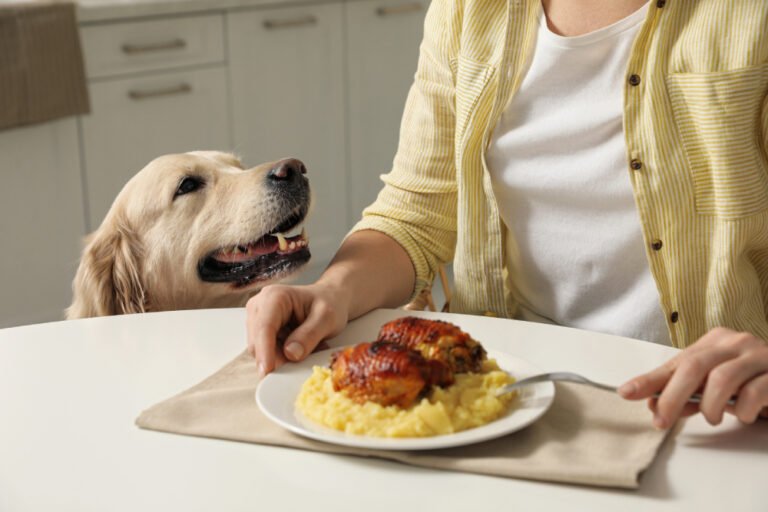
Feed a diet appropriate for your dog’s life stage and provide fresh water every day.
Comfortable environment
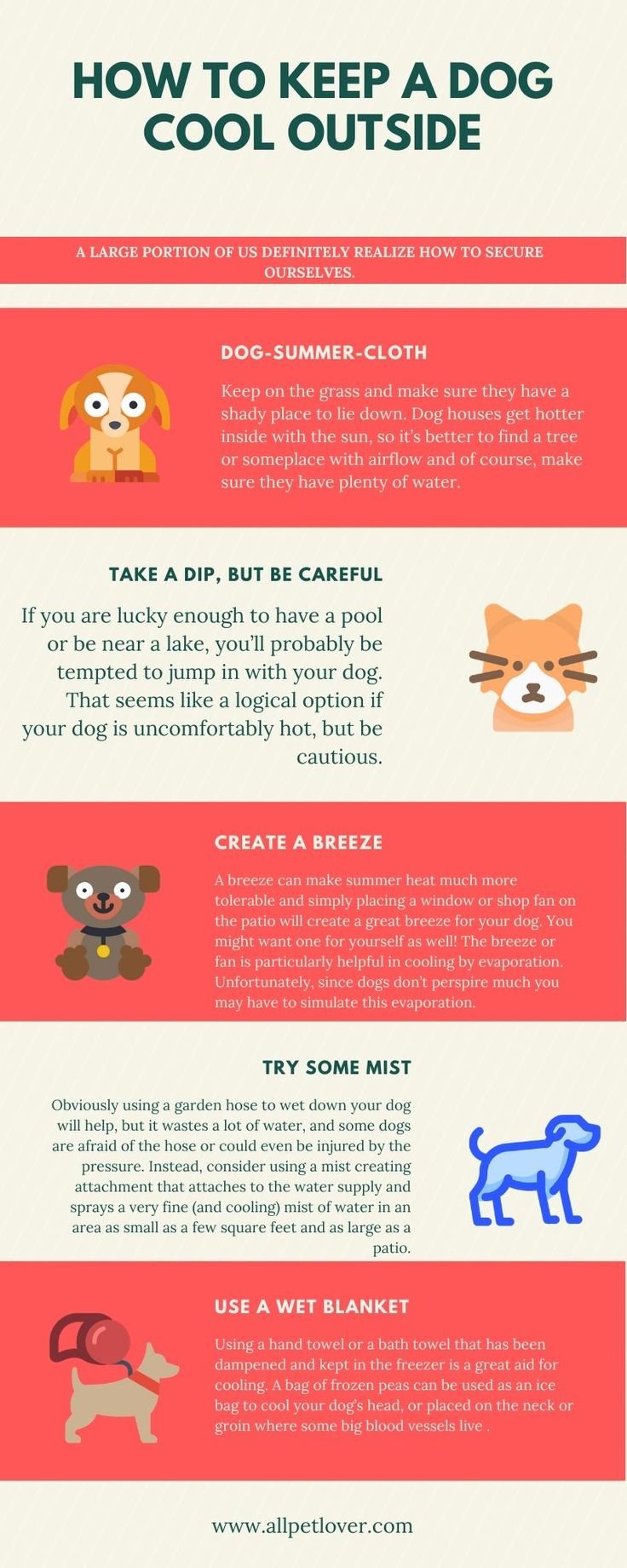
Provide protection from extreme weather, a clean resting area, and enough space for normal movement.
Mental stimulation
Use play, training, and interaction to prevent boredom and encourage healthy behavior.
Choose Food Based on Your Dog’s Needs
The right diet depends on factors such as age, size, activity level, and health conditions. Puppies, adult dogs, and senior dogs often have different nutritional needs.
Avoid making major food changes suddenly because some dogs may experience digestive upset. When changing diets, gradual transitions are usually easier for many dogs.
Monitor body condition
A healthy weight supports mobility and reduces strain on joints and organs.
Train Your Dog With Patience And Consistency
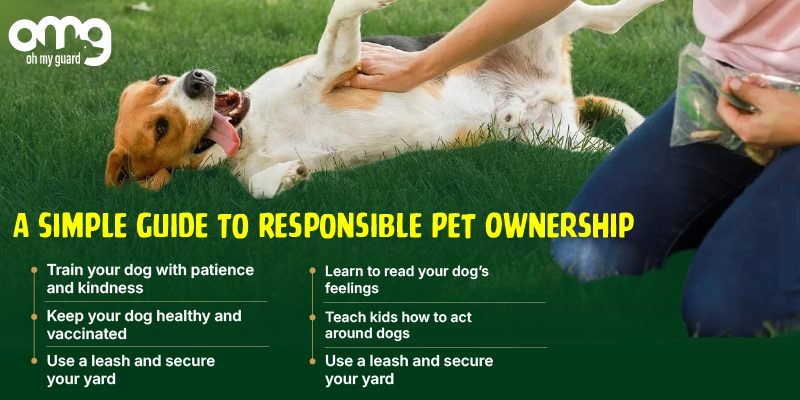
Training is one of the most important parts of being a good dog owner because it improves communication and safety. Dogs learn through repetition, clear signals, and consistent responses.
Positive reinforcement methods focus on rewarding desired behaviors. This approach helps dogs understand what owners want while building trust instead of fear.
Source: ohmyguard.co.in
Teach basic commands
Commands such as sit, stay, come, and leave it can improve safety and everyday communication.
Reward good behavior
Praise, play, or appropriate rewards can encourage behaviors you want your dog to repeat.
Avoid inconsistent rules
Mixed messages can confuse dogs and slow learning.
Handle Behavior Problems Correctly
Behavior problems often have underlying causes such as boredom, fear, stress, lack of training, or medical issues. A sudden change in behavior should not automatically be treated as disobedience.
Owners should identify the cause before choosing a solution. Professional help from a qualified trainer or veterinarian may be needed for serious aggression, anxiety, or unsafe behaviors.
Look for patterns
Notice when and where the behavior happens to identify possible triggers.
Protect Your Dog’s Health And Safety
A good dog owner takes preventive steps instead of waiting for health problems to become serious. Regular veterinary care, vaccinations, parasite prevention, dental care, and monitoring changes are important parts of responsible ownership.
Owners should know their dog’s normal habits. Changes in appetite, drinking, energy, bathroom habits, breathing, or movement may signal a need for veterinary advice.
Source: articles.hepper.com
Schedule veterinary care
Routine checkups allow health concerns to be identified earlier.
Maintain identification
Collars, identification tags, and microchips can help reunite lost dogs with their owners.
Practice safe handling
Use proper restraints during travel and supervise dogs around unfamiliar animals or environments.
Recognize When Professional Help Is Needed
Owners should contact a veterinarian when they notice serious or unusual symptoms, including difficulty breathing, severe injury, sudden weakness, poisoning concerns, or major behavior changes.
Training specialists may also help when behavior problems affect safety or daily life.
Do not delay serious concerns
Early professional guidance can prevent some problems from becoming more difficult to manage.
Build A Strong Relationship With Your Dog
A strong bond grows from daily actions. Dogs learn to trust owners who provide care, clear guidance, and positive interaction. Time spent together is one of the most valuable parts of ownership.
Being a good owner does not require expensive equipment or constant entertainment. Simple activities such as walks, training games, grooming, and quiet companionship can strengthen your relationship.
Source: cdn.mos.cms.futurecdn.net
Spend quality time together
Regular interaction helps dogs feel connected and secure.
Respect your dog’s personality
Some dogs enjoy social activity while others need more space and calm environments.
Continue learning
Understanding dog behavior helps owners make better decisions throughout a dog’s life.
Frequently Asked Questions
Q
What is the most important quality of a good dog owner?
Consistency is one of the most important qualities. Dogs benefit from owners who provide regular care, clear rules, patience, and dependable routines.
Q
How much time should a good owner spend with a dog each day?
The amount varies by dog, but all dogs need daily interaction, exercise, and mental stimulation. Active breeds may require more engagement than lower-energy dogs.
Q
How can I become a better dog owner?
Learn about canine behavior, improve training skills, maintain preventive healthcare, provide proper nutrition, and pay attention to your dog’s individual needs.
Q
Can a busy person still be a good dog owner?
Yes, if they can consistently meet the dog’s needs. Planning, routines, and support from family members or professional services can help when schedules are demanding.
Q
What mistakes should new dog owners avoid?
Common mistakes include skipping training, ignoring exercise needs, feeding inappropriate foods, delaying veterinary care, and expecting instant behavior changes.
✦ Wrapping Up
Conclusion
Learning how to be a good owner of a dog means understanding that care is built through daily choices. Food, exercise, training, health support, safety, and affection all work together to create a better life for your dog.
The best owners continue learning as their dogs grow and change. A puppy, adult dog, and senior dog may need different types of support, but every stage depends on patience, attention, and responsible decisions.
💡 Key Takeaway
Start by creating a consistent daily routine, scheduling needed care, and spending intentional time building trust with your dog.