The best way to train a dog with anxiety is to build trust through gradual exposure, positive reinforcement, predictable routines, and careful management of triggers.
Across the United States, many dog owners face anxiety-related behaviors such as barking, pacing, hiding, destructive chewing, trembling, or distress when left alone. Training an anxious dog requires more than teaching commands because fear and stress can change how a dog learns and responds.
A successful approach focuses on helping the dog feel safe while slowly changing emotional reactions. The goal is not to force a dog to tolerate scary situations but to create new experiences where the dog can stay calm and learn that certain triggers are not dangerous.
Dog anxiety can have different causes, including separation, unfamiliar people, loud sounds, past experiences, changes in routine, or medical issues. Because the cause affects the right training method, owners should observe patterns and seek veterinary guidance when anxiety is severe or sudden.
Source: i.pinimg.com
What Does Anxiety Mean In Dogs?
Dog anxiety is a state of stress or fear that happens when a dog feels unable to cope with a situation. It may appear as a response to a specific trigger, such as thunderstorms or strangers, or as a broader pattern that affects daily life.
Understanding the type of anxiety helps owners choose the right training plan. A dog that fears visitors needs a different approach from a dog that panics when left alone.
Anxiety is not the same as disobedience. Many behaviors that seem stubborn are actually signs that a dog is overwhelmed and unable to respond normally.
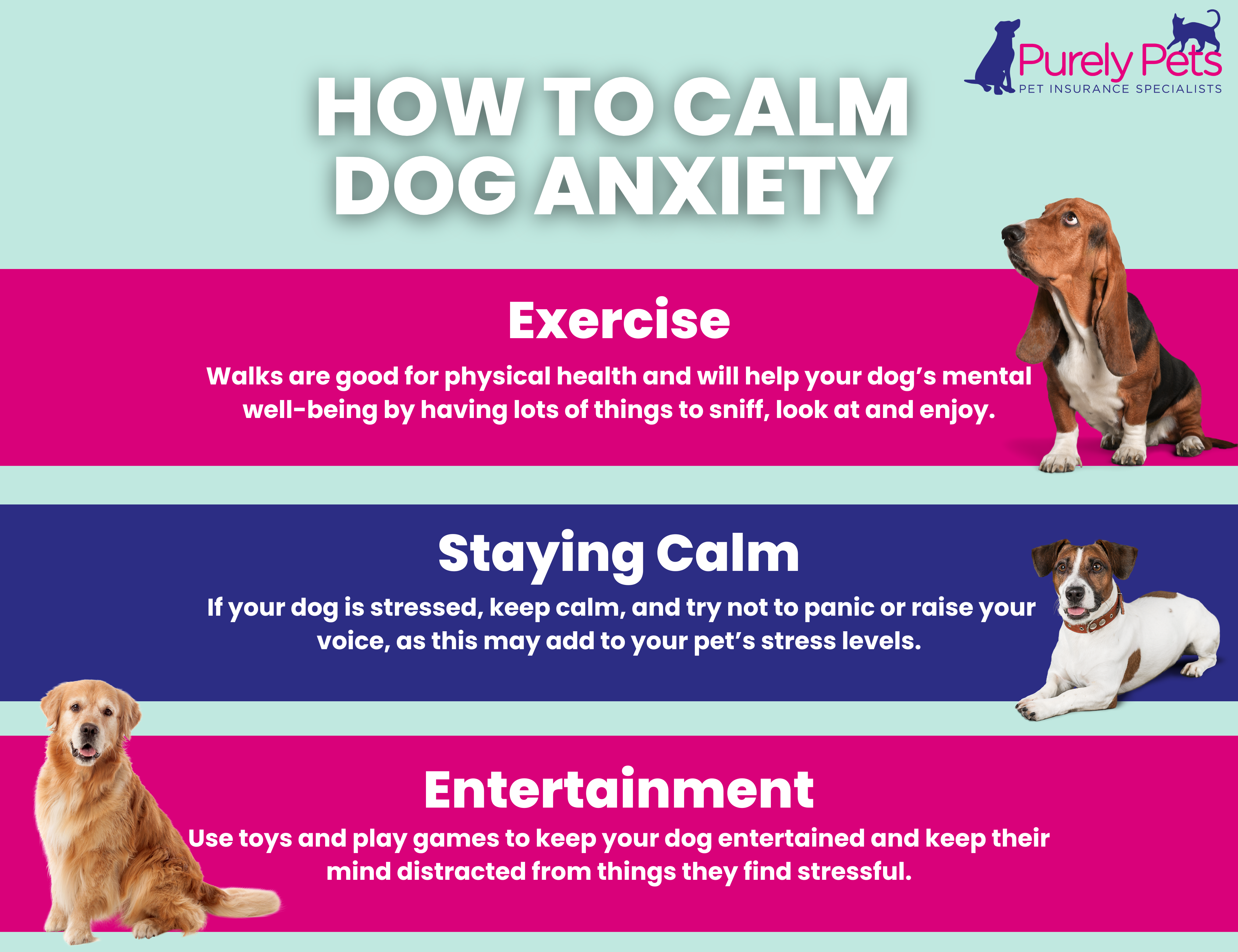
Source: purelypetsinsurance.co.uk
Separation anxiety
A dog experiences distress when separated from a person or left alone. Signs may include barking, destruction, escape attempts, or house accidents.
Fear-based anxiety
A dog reacts strongly to specific things such as noises, unfamiliar people, vehicles, or other animals.
General anxiety
A dog may appear constantly nervous without one obvious trigger and may need a broader behavior plan.
Prepare Before Training An Anxious Dog
Before starting anxiety training, create conditions where learning is possible. A highly stressed dog may not respond to treats, cues, or interaction because the brain is focused on avoiding danger.
Start by identifying what causes the anxiety, how intense the reaction is, and what distance or situation allows your dog to remain calm. This information creates a safer training starting point.
A simple behavior journal can help track triggers, reactions, and progress. Record what happened before the behavior, what the dog did, and what helped the dog recover.
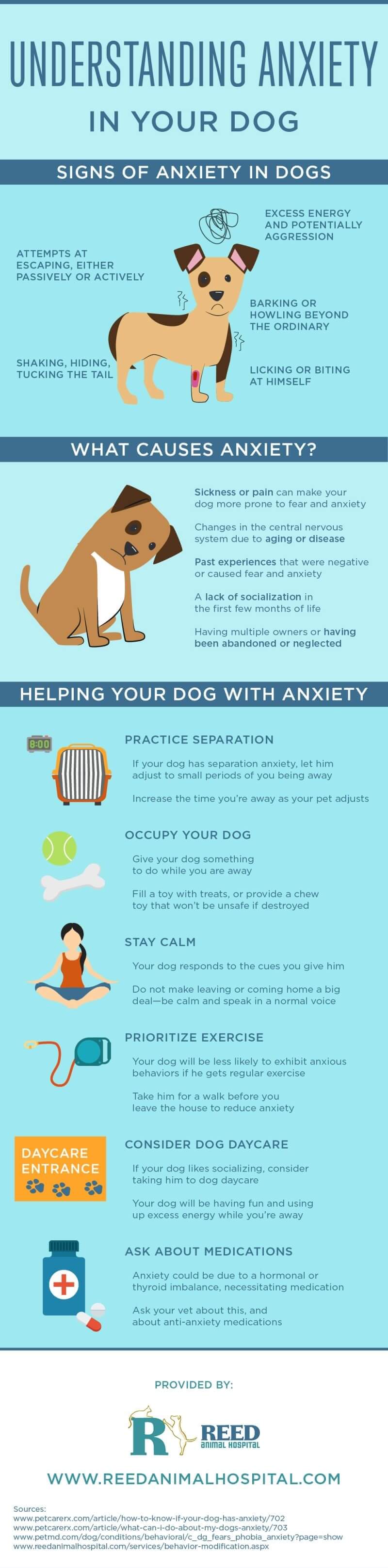
Source: petcoach.co.uk
Create a safe area
Provide a quiet space where your dog can rest without being forced into stressful situations.
Choose rewards
Use rewards your dog values, such as small treats, toys, praise, or play, depending on what motivates the individual dog.
Reduce unnecessary stress
Avoid repeatedly exposing your dog to situations that create panic because overwhelming experiences can make fear stronger.
Signs Your Dog Is Too Stressed To Learn
Training should pause when a dog shows intense stress signals. These may include trying to escape, freezing, refusing food, heavy panting, trembling, or aggressive warning behaviors.
The goal is to work below the point where anxiety becomes overwhelming. A calm dog is more able to form new associations.
Lower the challenge
Increase distance from the trigger or reduce the intensity of the situation.
Use Gradual Exposure And Positive Reinforcement
The most common training method for anxiety involves gradual exposure paired with positive experiences. The dog is introduced to a trigger at a manageable level and rewarded for calm behavior.
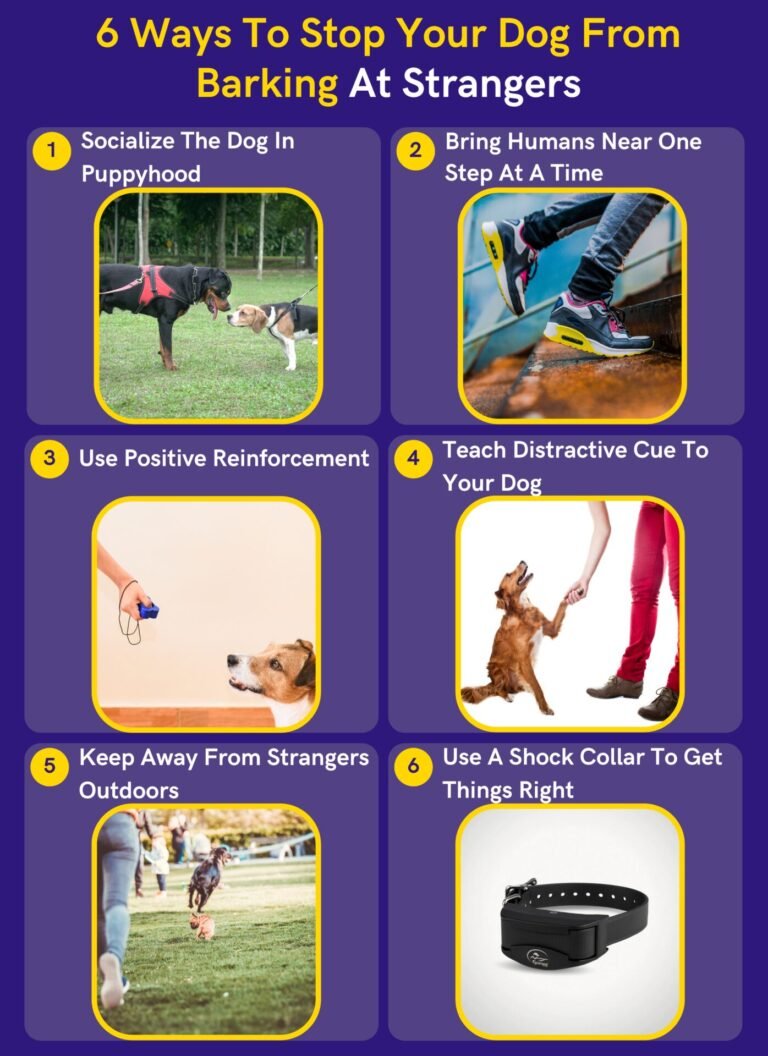
For example, if a dog fears strangers, training may begin with seeing a person from a distance where the dog remains relaxed. Rewards are given while the dog stays calm, and the challenge increases slowly over time.
This process changes the emotional response. Instead of learning that a trigger predicts fear, the dog can learn that the trigger predicts safety, rewards, and calm experiences.
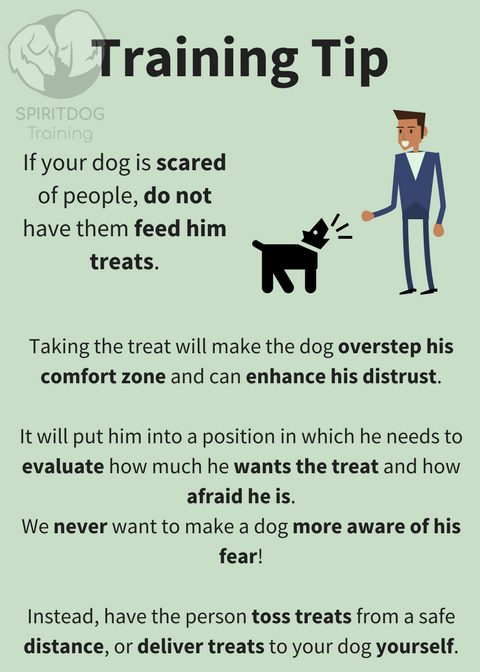
Source: spiritdogtraining.com
Step one: Identify the trigger
Find the exact situation that causes anxiety and determine how close your dog can be while remaining comfortable.
Step two: Reward calm behavior
Provide a reward when your dog notices the trigger but stays relaxed.
Step three: Increase difficulty slowly
Change only one factor at a time, such as distance, duration, or intensity.
Train Daily Skills That Build Confidence
Confidence-building exercises can support anxiety training by teaching dogs that they can make good choices. Short sessions are often more effective than long sessions that create frustration.
Basic cues such as sit, touch, stay, and come can provide structure. These skills do not remove anxiety by themselves, but they can help dogs focus and communicate with their owners.
Mental enrichment also matters. Puzzle toys, scent games, and appropriate play can help reduce boredom and provide healthy outlets for energy.
Source: cdn.breedingbusiness.com
Reward curiosity
Allow your dog to explore safe situations and reward calm investigation.
Practice predictable routines
Regular feeding, exercise, rest, and training times can help some dogs feel more secure.
Avoid punishment
Punishing fearful reactions can increase stress and may worsen anxiety-related behaviors.
How To Handle Common Anxiety Training Problems
Progress is not always consistent. Dogs may improve in one situation and struggle in another. Setbacks are common and usually mean the training pace needs adjustment.
The most useful troubleshooting step is to identify what changed. A new environment, stronger trigger, health issue, or faster training pace may explain a sudden increase in anxiety.
Source: alexliggett.com
Problem: Your dog ignores treats
Possible cause: anxiety is too high. Increase distance from the trigger and try again when your dog is calmer.
Problem: Your dog improves but returns to old behavior
Possible cause: training moved forward too quickly. Return to an easier step and build gradually.
Problem: Anxiety appears suddenly
Possible cause: pain, illness, aging changes, or environmental stress. A veterinary check may be appropriate.
When Professional Help Is Needed
Professional help is recommended when anxiety creates safety risks, severe distress, aggression, self-harm, or major disruption to daily activities.
A veterinarian can check for medical contributors and discuss treatment options when needed. A qualified behavior professional can help design a structured training plan.
Seek support for severe cases
Extreme anxiety often needs a combination of behavior modification, management, and professional guidance.
Frequently Asked Questions
Q
Can an anxious dog be trained to feel better?
Many anxious dogs can improve with consistent training, environmental changes, and behavior support. The amount of improvement depends on the cause, severity, and individual dog.
Q
How long does it take to train a dog with anxiety?
There is no fixed timeline. Some dogs show progress in weeks, while others need months of gradual practice. Training speed depends on the trigger and the dog’s ability to stay calm during exercises.
Q
Should I comfort my dog when it is anxious?
Calm support is generally different from rewarding panic. Owners can provide reassurance and help their dog move to a safer situation while avoiding actions that increase fear.
Q
Can exercise reduce dog anxiety?
Appropriate physical activity and mental enrichment may help some dogs manage stress. Exercise should support training rather than replace work on the underlying fear.
Q
Is crate training helpful for an anxious dog?
A crate can be helpful for some dogs when introduced slowly and positively. It should not be used as forced confinement for a dog that experiences crate-related panic.
✦ Wrapping Up
Conclusion
Training a dog with anxiety requires patience, observation, and a focus on emotional safety. The most effective approach combines gradual exposure, rewards, predictable routines, and careful attention to the dog’s limits.
Anxiety is a behavior challenge, not a simple obedience problem. By understanding the cause and adjusting the training plan, owners can help their dogs develop stronger coping skills over time.
💡 Key Takeaway
Start with one anxiety trigger, keep training sessions short, reward calm behavior, and seek professional help when fear becomes severe or unsafe.