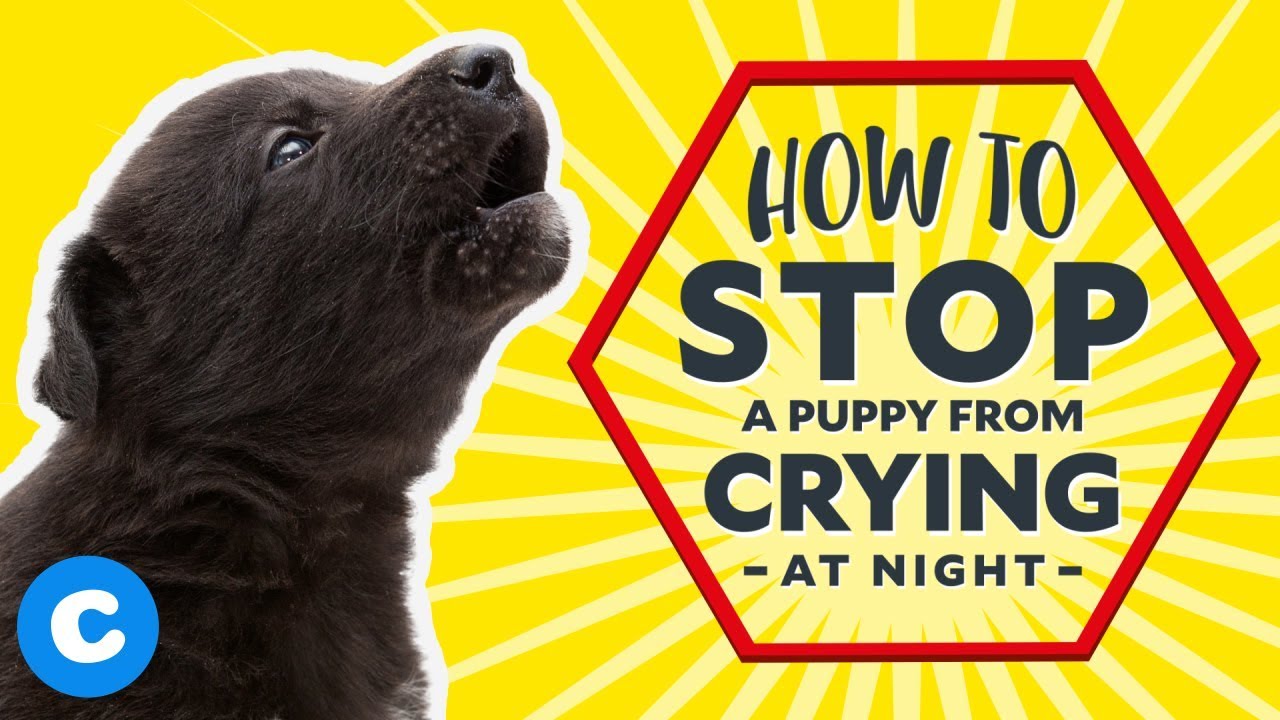
To stop a dog from howling at night, first identify the cause, then address the need behind the behavior with a consistent routine, proper exercise, comfort, training, and veterinary support when needed.
Across the United States, many dog owners deal with nighttime howling that interrupts sleep and creates stress for both families and pets. A dog may howl after midnight because it hears sounds outside, feels lonely, needs a bathroom break, is uncomfortable, or has learned that howling gets attention.
Stopping nighttime howling is not about forcing a dog to be silent. The goal is to understand the reason behind the behavior and teach a better response. Dogs communicate through sounds, and howling is one of their natural ways to express emotions or react to their environment.
The most effective approach combines observation, routine changes, positive training, and health checks when necessary. A sudden change in a dog’s nighttime behavior should be treated differently from a long-term habit because medical issues, pain, or age-related changes can sometimes contribute.
Source: animalia-life.club
Why Dogs Howl At Night
Dogs howl at night for many reasons, and the sound itself does not always mean the same thing. Some dogs howl because they respond to noises such as sirens, wildlife, other dogs, or unfamiliar activity outside. Others howl because they are seeking contact or feeling uncomfortable when separated from their family.
Nighttime creates a quieter environment, which can make certain triggers more noticeable. A sound that a dog ignores during the day may become interesting or concerning when the house is dark and calm.
Understanding the trigger is the first step. A dog that howls because it needs a bathroom break requires a different solution than a dog that howls because it has separation distress.
Source: storage.googleapis.com
Communication
Howling is a natural dog behavior used to communicate with people or other animals.
Environmental triggers
Outdoor noises, nearby animals, and changes around the home can cause nighttime reactions.
Emotional causes
Loneliness, fear, boredom, or anxiety may lead some dogs to howl after bedtime.
Physical needs
Hunger, discomfort, illness, or the need to go outside can contribute to nighttime vocalization.
How To Tell What Is Causing The Howling
Watch when the howling begins and what happens before it starts. Keep notes for several nights, including the time, location, sounds nearby, and your dog’s behavior before and after howling.
A pattern often reveals the cause. For example, howling only after you leave the room may suggest a separation-related issue, while howling after outdoor noises may point to environmental triggers.
Track timing
Notice whether the behavior starts immediately after bedtime or several hours later.
Observe body language
Pacing, panting, scratching, or restlessness can provide clues about stress or discomfort.
Create A Better Nighttime Routine For Your Dog
A consistent bedtime routine can help dogs understand when it is time to settle down. Dogs often feel more secure when daily events happen in a predictable order.
Start preparing for sleep before the dog begins howling. A calm evening routine may include exercise, a bathroom trip, quiet interaction, and a comfortable sleeping area.
The routine should match your dog’s age, breed traits, health, and activity level. A young, energetic dog may need more daytime enrichment than an older dog with lower energy needs.
Source: dogshowtv.com
Provide enough daytime activity
Regular walks, play, and mental stimulation can reduce boredom-related nighttime behavior.
Offer a final bathroom break
Taking your dog outside before sleep can prevent waking caused by needing to eliminate.
Create a comfortable sleeping space
A quiet area with suitable temperature and bedding can help your dog relax.
Help Your Dog Relax Before Sleep
Avoid exciting games or intense activity immediately before bedtime. The goal is to help your dog move from active time into calm time.
Some dogs benefit from gentle training exercises, puzzle toys, or calm interaction before settling down. Choose activities that encourage relaxation rather than excitement.
Use calm signals
Quiet praise and relaxed behavior can encourage your dog to settle.
Train Your Dog Not To Continue Howling For Attention
If a dog learns that howling brings attention, food, play, or access to people, the behavior may continue. The dog is not trying to be difficult; it is repeating an action that has produced a result before.
The training approach is to reward quiet behavior and avoid accidentally rewarding unwanted vocalization. This requires patience because changing a learned habit takes time.
Never punish a dog harshly for howling. Fear-based responses can increase stress and may make the underlying problem worse.
Source: sciencefix.blog
Reward quiet moments
Give attention when your dog is calm and quiet so that silence becomes a valuable behavior.
Stay consistent
Everyone in the home should follow the same response plan.
Avoid accidental rewards
Opening the door or offering treats during howling may teach the dog to repeat it.
When Ignoring Howling Is Not The Right Choice
Ignoring howling is not appropriate when the dog may be frightened, injured, sick, elderly, or urgently needs something. Always check for a legitimate need before changing your response.
Training works best after basic needs are met. A dog that is uncomfortable cannot easily learn a new nighttime habit.
Check safety first
Make sure your dog is not trapped, injured, or experiencing an urgent problem.
Address Separation Anxiety And Fear Related Howling
Some dogs howl at night because they struggle when they cannot access their owners. This can happen when a dog sleeps alone after being used to constant company.
Dogs with separation-related distress may show other signs such as pacing, destructive behavior, excessive drooling, or attempts to escape. These signs suggest the issue is more than simple attention seeking.
Helping these dogs usually requires gradual training that builds confidence. In severe cases, a veterinarian or qualified behavior professional can help create an appropriate plan.
Source: roverpet.blog
Practice short separations
Gradually increasing calm alone time can help some dogs adjust.
Reduce fear triggers
Identify sounds or situations that cause anxiety and manage them when possible.
Seek professional help when needed
Persistent distress or dangerous behavior should be evaluated by a qualified professional.
Medical Reasons A Dog May Howl At Night
A new nighttime howling habit can sometimes signal a health problem. Dogs may vocalize when they are in pain, confused, uncomfortable, or experiencing changes related to aging.
Older dogs may develop nighttime restlessness because of changes in hearing, vision, sleep patterns, or cognitive function. A veterinary examination can help identify possible causes.
Do not assume every nighttime noise is a training problem. Health concerns should be considered when the behavior appears suddenly or changes significantly.
Source: alloftheanimals.com
Sudden behavior change
New howling without an obvious environmental cause deserves attention.
Signs of discomfort
Limping, reduced appetite, unusual movements, or changes in bathroom habits may indicate a problem.
Age-related changes
Older dogs may need additional support when nighttime behavior changes.
Common Mistakes That Can Make Nighttime Howling Worse
Many owners try to solve howling quickly, but some common reactions can accidentally strengthen the behavior. Understanding what not to do is part of creating a successful plan.
The biggest mistake is treating every howl the same. A dog asking to go outside, a scared dog, and a bored dog may all sound similar but need different solutions.
Source: petpress.net
Giving attention every time
Immediate responses can teach a dog that howling is an effective way to get interaction.
Using punishment
Harsh reactions can increase fear and damage trust.
Changing rules often
Inconsistent responses make learning slower and more confusing.
Ignoring health signs
Behavior problems and medical problems can look similar.
Frequently Asked Questions
Q
Why does my dog suddenly howl at night?
A sudden change can happen because of new sounds, stress, discomfort, illness, aging changes, or a change in routine. Look for other signs and consider a veterinary check if the change is unusual.
Q
Should I ignore my dog when it howls at night?
Only ignore attention-seeking howling after you have checked that your dog does not need something important. Always rule out bathroom needs, injury, fear, or illness first.
Q
How long does it take to stop a dog from howling at night?
The time varies depending on the cause, the dog’s history, and how consistent the training is. Some dogs improve quickly after routine changes, while learned habits or anxiety may require longer work.
Q
Do puppies howl more at night?
Puppies may howl at night because they are adjusting to a new home, learning a sleep routine, or needing bathroom breaks. Gradual training and predictable care can help them settle.
Q
When should I ask a veterinarian for help?
Seek veterinary guidance if howling starts suddenly, happens with signs of pain or illness, occurs in an older dog with new confusion, or does not improve with reasonable behavior changes.
✦ Wrapping Up
Conclusion
Stopping a dog from howling at night starts with understanding why the behavior happens. The most effective solutions focus on the cause rather than simply trying to silence the sound.
A calm bedtime routine, proper exercise, positive training, and attention to health concerns can help many dogs develop better nighttime habits. Progress usually comes from small, consistent changes rather than one quick fix.
💡 Key Takeaway
Observe your dog’s nighttime pattern for several days, identify the likely trigger, meet basic needs, reward calm behavior, and seek professional help if the howling suggests fear, pain, or illness.