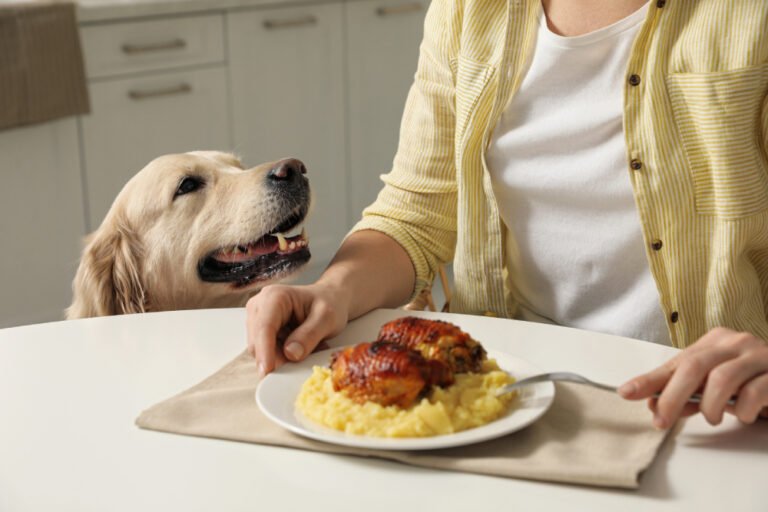
Why Is My Puppy Not Eating? Causes, Warning Signs, and What to Do
If you are asking, “why is my puppy not eating,” the first step is not to panic. Puppies can skip a meal for a simple reason, such as a new home, a busy day, or sore gums. But puppies have small bodies and high needs, so a change in eating can matter more than it would in an adult dog.
Think about what changed in the last day or two. Did you bring your puppy home, switch food, give new treats, start a new medicine, or notice loose stool? These clues can help explain why is my puppy not eating and help your veterinarian decide what to check if the problem continues.
A puppy that misses one meal but stays bright, playful, hydrated, and otherwise normal may need close watching. A puppy that refuses food and seems weak, painful, very sleepy, or sick needs faster veterinary attention.

How serious is it when a puppy stops eating?
The answer depends on your puppy’s age, size, health, and other signs. A healthy older puppy that skips one meal may be less concerning than a very young or tiny puppy that refuses several meals.
Puppies use food to support growth, play, and normal body function. They also have less reserve than adult dogs. That is why a puppy with poor appetite should be watched closely, even when the cause seems mild.
There is no single number of hours that is safe for every puppy. If you are unsure how long you should wait, call your veterinarian and explain your puppy’s age, size, food intake, water intake, and other symptoms.
- ✦ One missed meal
If your puppy is otherwise happy, alert, drinking, and acting normal, watch closely and offer the next normal meal.
- ✦ Several missed meals
Repeated refusal is more concerning, especially in a young, small, or underweight puppy. Call your veterinarian for guidance.
- ✦ Food refusal with illness
Vomiting, diarrhea, weakness, pain, collapse, breathing trouble, or marked sleepiness can make the situation more urgent.
Why puppies need closer attention
Puppies grow quickly and need a steady supply of energy and nutrients. Very young or very small puppies can also be more vulnerable to low blood sugar when they do not eat. This is one reason not to treat a puppy’s appetite loss like a simple picky-eating problem.
- ✦ Age matters
A very young puppy may need quicker veterinary advice than an older puppy that misses a single meal.
- ✦ Size matters
Toy and very small puppies may have less energy reserve, so food refusal can become a concern sooner.
Common reasons why is my puppy not eating
There are many possible answers to why is my puppy not eating. Some are mild and short-lived. Others need treatment, so the goal is to look at the whole picture instead of focusing only on the food bowl.
A puppy may also have more than one issue at the same time. For example, moving to a new home can cause stress, while teething can make chewing dry food uncomfortable.

- ✦ Stress or a new home
A new family, new smells, travel, loud sounds, or a new routine can reduce appetite for a short time.
- ✦ Food change
A sudden switch in food can upset the stomach or make the new food less appealing.
- ✦ Too many treats
Treats, chews, table scraps, or food from other people can fill a puppy before a normal meal.
- ✦ Teething
Sore gums can make hard kibble less comfortable to chew.
- ✦ Stomach upset
A puppy may eat less after eating something unusual or developing a mild digestive problem.
- ✦ Pain
Mouth pain, injury, or pain elsewhere in the body can make eating difficult.
- ✦ Illness or infection
Many illnesses can cause poor appetite. The cause cannot be diagnosed from appetite loss alone.
- ✦ Medication or treatment
Some medicines can change appetite or upset the stomach. Ask your veterinarian before changing a prescribed medicine.
Stress can affect a puppy’s appetite
Moving into a new home is a major change for a puppy. New people, sounds, smells, pets, and routines can feel overwhelming. Some puppies eat less while they settle in.
Give your puppy a calm feeding spot away from heavy foot traffic and other pets. Keep meals on a steady schedule and avoid crowding the puppy while it eats.
- ✦ Keep the routine simple
Feed at regular times and keep the food and bowl in the same quiet place.
- ✦ Limit distractions
Turn down loud sounds and separate the puppy from pets that may interrupt the meal.
Teething may make food less comfortable
Puppies lose their baby teeth as their adult teeth come in. During this period, the mouth can feel sore, and some puppies may become less interested in hard food.
If you think mouth pain is the reason why is my puppy not eating, check for signs such as chewing more slowly, dropping food, pawing at the mouth, or avoiding hard treats. A veterinarian should check ongoing or severe mouth pain.
- ✦ Watch how your puppy eats
A puppy that wants food but struggles to chew may have a mouth problem rather than a lack of hunger.
Could your puppy be picky about food?
Some puppies learn that refusing their regular meal leads to tastier options. If a puppy gets several different foods after turning away from kibble, it may start waiting for a better choice.
That does not mean every food refusal is picky eating. A sudden change in appetite should first be viewed as a possible health or comfort issue, especially when other symptoms appear.
Use a complete and balanced puppy food that fits your puppy’s life stage and size. Follow the feeding guide as a starting point, then adjust with your veterinarian based on growth and body condition.
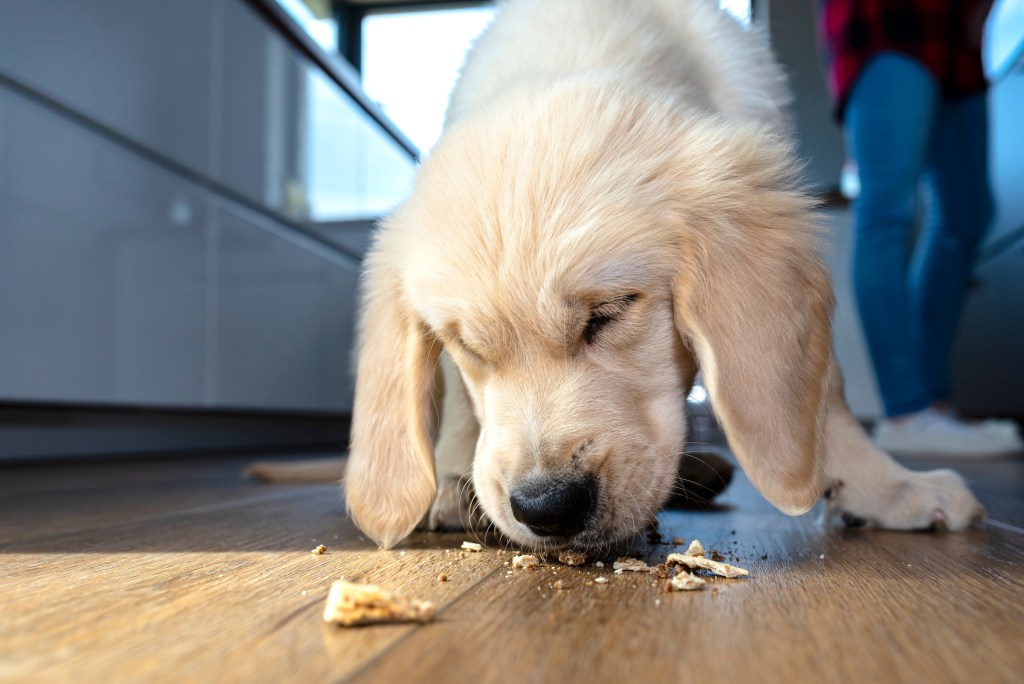
- ✦ Use one main diet
Frequent food changes can make it harder to tell whether appetite changes come from the food or another problem.
- ✦ Measure meals
Measured portions help you know how much your puppy actually eats instead of guessing from a full or empty bowl.
- ✦ Track treats
Count treats, chews, and table food when thinking about how much your puppy has eaten during the day.
What if your puppy will eat treats but not meals?
A puppy that takes treats but refuses its normal food may still have a problem. Some puppies simply prefer high-value treats, but mouth pain, nausea, or another issue can also change what they are willing to eat.
Do not assume that eating a few treats means your puppy is fully fine. Watch water intake, energy, stool, vomiting, and other signs as well.
- ✦ Look at the whole puppy
Appetite is only one clue. Behavior, hydration, bowel movements, and comfort can provide more useful information.
What you can do at home when your puppy will not eat
If your puppy is alert, comfortable, drinking normally, and has no warning signs, you can try a few simple steps while watching closely. The goal is to make eating easy without hiding a serious problem.
Start with the food your puppy normally eats. Avoid giving a large number of new foods at once, since this can cause stomach upset and make it harder to find the cause of the appetite change.

- ✦ Offer fresh food
Make sure the food is fresh, stored correctly, and appropriate for puppies.
- ✦ Use a quiet place
Feed away from loud activity, children, and other pets that may make the puppy nervous.
- ✦ Check the bowl
Clean the bowl and make sure it is easy for the puppy to reach.
- ✦ Offer normal portions
Avoid putting out a very large meal in an effort to make up for a missed meal.
- ✦ Keep water available
Fresh, clean water should be available unless your veterinarian has told you otherwise.
- ✦ Monitor closely
Write down what your puppy eats and drinks and note vomiting, diarrhea, stool changes, energy changes, or other symptoms.
Should you change your puppy’s food?
Do not switch foods repeatedly just because your puppy skips a meal. If a diet change is needed, a gradual transition is often easier on the stomach than a sudden switch.
If your puppy refuses a new food but ate the old food well, tell your veterinarian and consider returning to the previous diet if it is appropriate. A sudden refusal can have causes beyond food preference.
- ✦ Avoid rapid changes
Sudden diet changes can contribute to digestive upset.
Warning signs that mean your puppy needs a veterinarian
If you are asking why is my puppy not eating and your puppy also looks sick, do not rely on home feeding tricks alone. Puppies can become unwell quickly, and some causes need prompt treatment.
Contact your veterinarian if appetite loss continues or if you notice other changes. For severe signs, seek urgent veterinary care rather than waiting for the next meal.

- ✦ Repeated vomiting
Repeated vomiting can lead to dehydration and may point to a problem that needs treatment.
- ✦ Diarrhea
Diarrhea is more concerning when it is severe, persistent, bloody, or paired with weakness or vomiting.
- ✦ Marked weakness
A puppy that is unusually weak, difficult to wake, or unable to stand needs prompt veterinary attention.
- ✦ Pain
Whining, a tense belly, a hunched posture, reluctance to move, or other signs of pain should not be ignored.
- ✦ Breathing trouble
Difficulty breathing is an emergency and requires immediate veterinary care.
- ✦ Possible toxin or foreign object
If your puppy may have swallowed a toxic substance or an object, contact a veterinarian or an animal poison service promptly.
- ✦ Severe dehydration
Very low water intake combined with vomiting, diarrhea, weakness, or other illness signs needs prompt veterinary advice.
When is puppy not eating an emergency?
An emergency is more likely when food refusal occurs with severe weakness, collapse, trouble breathing, repeated vomiting, severe pain, seizures, or suspected poisoning. In these cases, do not wait for appetite to return on its own.
Very young or very small puppies also deserve extra caution because they may have less energy reserve. If you are unsure whether the situation is urgent, call a veterinary clinic and describe the signs you see.
- ✦ Do not force-feed
Forcing food into a sick puppy can cause stress and may create a risk of food entering the airway. Ask a veterinarian what to do instead.
- ✦ Do not give human medicine
Many human medicines can harm dogs. Use medicines only when your veterinarian tells you to do so.
Why is my puppy not eating after a vaccine?
Some puppies may have mild, short-term changes in appetite after vaccination. They may also be quieter or more tired for a short period. These effects should be discussed with your veterinarian, especially if they are strong or do not improve.
Do not assume that every appetite change after a vaccine is normal. Severe weakness, breathing problems, facial swelling, repeated vomiting, collapse, or other serious signs need urgent veterinary attention.
- ✦ Mild change
A short period of lower appetite may occur after some vaccinations, but your veterinarian can tell you what to expect from the specific vaccine your puppy received.
- ✦ Severe reaction
Breathing trouble, facial swelling, collapse, or other severe signs require immediate veterinary care.
- ✦ Call the clinic
If you are worried after vaccination, call the clinic that gave the vaccine and report the appetite change and any other symptoms.
How to help prevent future feeding problems
A steady routine can make puppy feeding easier. Feed a puppy-appropriate complete diet, use consistent meal times, keep treats reasonable, and watch your puppy’s growth and body condition.
Keep foods, medicines, chemicals, and unsafe objects out of reach. Puppies explore with their mouths, and swallowing something they should not eat can lead to both appetite loss and a serious emergency.

- ✦ Keep meal times consistent
A regular schedule helps you notice changes in appetite and can support good eating habits.
- ✦ Choose suitable puppy food
Use a complete and balanced food made for puppies and follow your veterinarian’s advice for your puppy’s needs.
- ✦ Limit table scraps
Human food can add extra calories and may cause digestive upset or create a pattern of waiting for more exciting foods.
- ✦ Watch body condition
Regular veterinary visits help track growth and make sure feeding amounts fit your puppy’s needs.
- ✦ Puppy-proof the home
Secure medicines, cleaners, small objects, toxic foods, and other items that a curious puppy might swallow.
Keep a simple food and symptom log
A short log can help when you need to answer why is my puppy not eating. Record meal times, how much was eaten, water intake, treats, stool, vomiting, energy, and any major changes in routine.
This information gives your veterinarian a clearer picture than saying your puppy simply seems off. It can also help you notice patterns before they become bigger problems.
- ✦ Record food intake
Note the amount offered and the amount your puppy actually eats.
- ✦ Record other changes
Write down changes in stool, vomiting, energy, behavior, and routine.
Questions to ask when your puppy refuses food
When trying to understand why is my puppy not eating, look beyond the bowl. The most useful clues often come from what happened before the appetite change and how your puppy acts now.
Ask yourself when the problem began, whether your puppy is drinking, and whether there are signs of pain or stomach trouble. These details can help you decide whether to watch closely or call your veterinarian.
- ✦ When did it start?
A sudden change after a normal appetite is different from a puppy that has always been slow to eat.
- ✦ Is your puppy drinking?
Water intake can provide an important clue, especially when vomiting or diarrhea is also present.
- ✦ Is your puppy acting normal?
Normal energy and behavior can be reassuring, while weakness or unusual sleepiness is more concerning.
- ✦ Can your puppy chew?
Dropping food, pawing at the mouth, or avoiding hard food can point toward mouth discomfort.