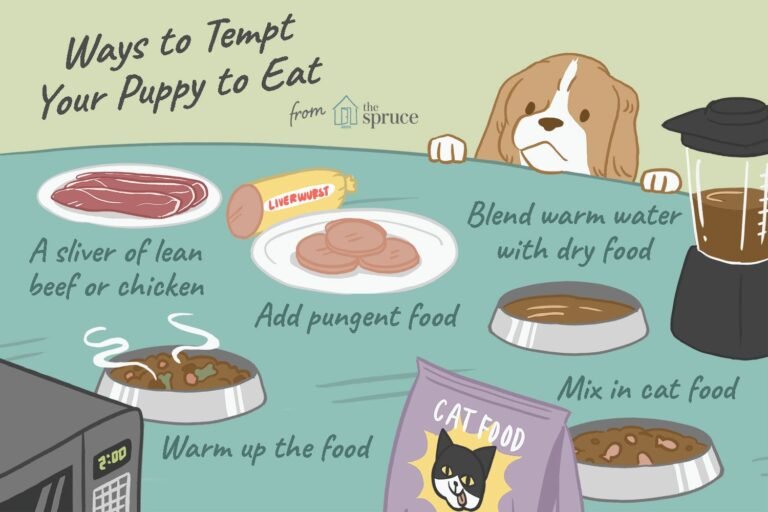
Why Isn’t My Dog Eating or Drinking? Causes, Warning Signs, and What to Do
If you are asking, “why isn’t my dog eating or drinking,” take the change seriously. A dog may skip one meal for a simple reason, but refusing both food and water is more concerning. Water refusal matters because dehydration can become a problem, especially in puppies, older dogs, and dogs that are already sick.
The key is to look at the whole dog, not just the food bowl. A dog that refuses dinner but plays, drinks, urinates, and acts normal may need simple monitoring. A dog that will not eat or drink and also vomits, seems weak, has a swollen belly, has trouble breathing, or acts very painful needs prompt veterinary care.
There is no single answer to why isn’t my dog eating or drinking. The cause can range from a recent change in routine to a painful mouth or a serious internal illness. This guide explains the common causes, what you can safely do at home, and which signs mean you should call a veterinarian.

Why Isn’t My Dog Eating or Drinking?
When a dog stops both eating and drinking, several causes are possible. Some are short-lived, while others need medical care. The most useful clues are how long the problem has lasted, whether your dog can keep water down, and whether other signs are present.
A sudden loss of appetite can happen with stress, travel, heat, a new food, or a change in the home. It can also happen with pain, nausea, dental disease, infection, stomach problems, or disease that affects the whole body. When water intake also drops, the situation deserves closer attention.
If you are still wondering why isn’t my dog eating or drinking, start by checking for other changes. Look at your dog’s energy, gums, breathing, belly, bowel movements, urine, and behavior. These clues can help you decide whether to monitor closely or call your veterinarian.

- ✦ Stress or fear
Moving, visitors, fireworks, travel, boarding, or a major routine change can reduce a dog’s interest in food and water.
- ✦ Pain
Pain from the mouth, teeth, stomach, joints, or another part of the body can make eating or drinking difficult.
- ✦ Nausea or stomach trouble
Nausea, vomiting, diarrhea, or stomach upset can make a dog avoid food and sometimes water.
- ✦ Illness
Infections and problems involving organs such as the kidneys, liver, or pancreas can affect appetite and thirst.
- ✦ Something swallowed
A swallowed toy, bone, sock, cloth, or other object can cause a dangerous blockage and may lead to refusal of food.
When a missed meal may not be an emergency
A healthy adult dog may occasionally skip a meal and still be fine. This is more reassuring when the dog is bright, comfortable, drinking normally, urinating normally, and showing no other signs of illness.
Still, do not assume that every skipped meal is harmless. If your dog’s appetite does not return, or if the dog also stops drinking, develops new symptoms, or has a medical condition, contact your veterinarian for advice.
- ✦ Watch the whole picture
Normal energy, normal behavior, and normal water intake are more reassuring than appetite alone.
- ✦ Know your dog’s normal
A sudden change is more important than a dog that has always been a light or picky eater.
Common Reasons Your Dog Stops Eating and Drinking
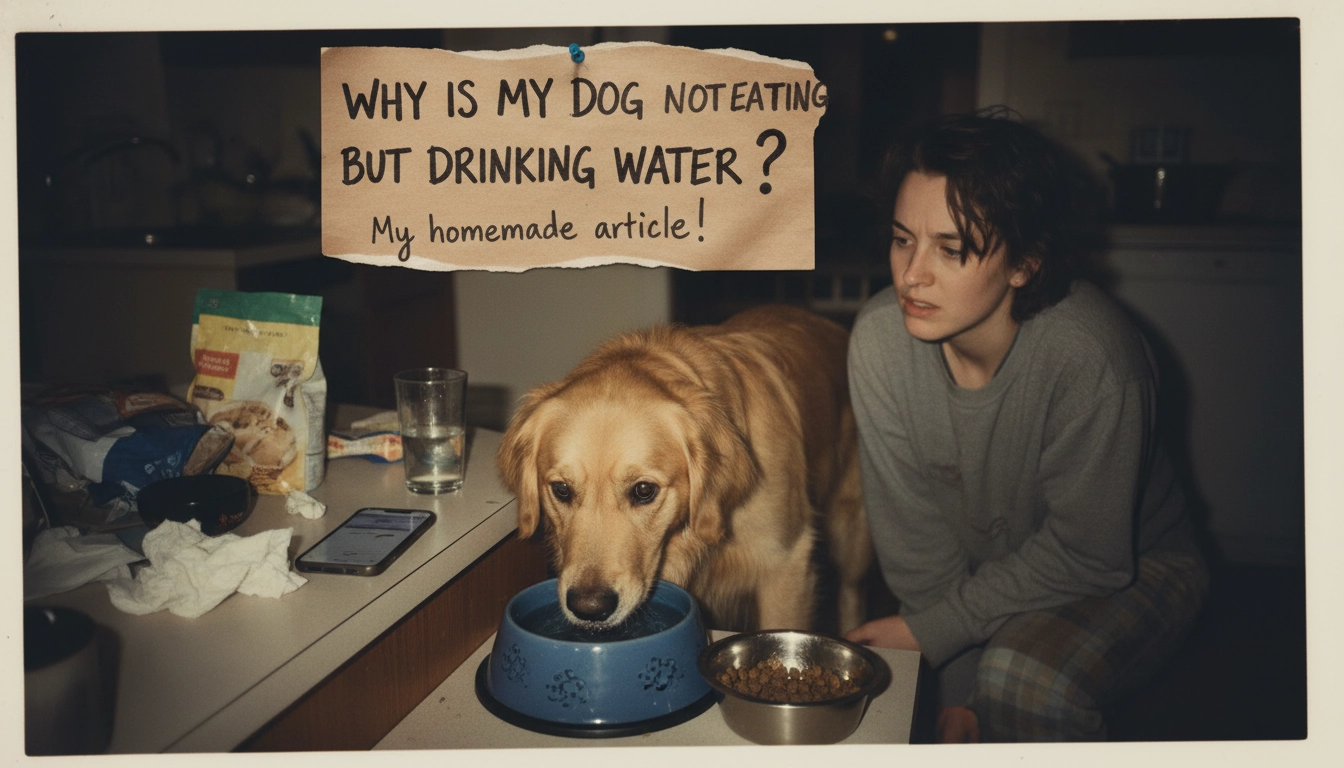
The question why isn’t my dog eating or drinking often has more than one possible answer. Dogs can lose interest in food because they feel sick, feel pain, or do not like a new smell or taste. A lack of drinking is more concerning because water is needed for normal body function.
A dog may also avoid the bowl because eating or drinking hurts. Dental pain, mouth sores, throat problems, or an injury can make the simple act of using the mouth uncomfortable.
Behavior and environment matter too. A nervous dog may refuse food in a new home, after a stressful event, or during a loud celebration. But stress should not be used to explain away serious symptoms.
- ✦ Food change
A new brand, flavor, texture, or feeding schedule can cause some dogs to refuse a meal.
- ✦ Dental problems
Broken teeth, gum disease, mouth wounds, or oral pain may make chewing and drinking uncomfortable.
- ✦ Heat or unusual activity
Heat can change eating habits, while heavy activity can increase the need for water.
- ✦ Medication side effects
Some medicines can cause nausea, reduced appetite, or changes in thirst. Ask your veterinarian before stopping a prescribed medicine.
- ✦ Fear or anxiety
Stress can suppress appetite, especially after travel, boarding, fireworks, storms, or major household changes.
Dental and mouth pain
Dental pain is easy to miss because dogs often hide discomfort. Watch for bad breath, drooling, pawing at the mouth, dropping food, chewing on one side, or pulling away when the face is touched.
A dog with mouth pain may want food but struggle to eat it. Soft food may seem easier, but a painful mouth still needs veterinary attention to find and treat the cause.
- ✦ Signs to watch
Drooling, bad breath, bleeding from the mouth, trouble chewing, facial swelling, or reluctance to open the mouth can point to oral pain.
Stress and routine changes
Dogs often notice changes that people overlook. A new home, new pet, house guests, loud construction, travel, or a different feeding area can change eating habits.
Give your dog a quiet place, a familiar routine, and access to fresh water. If the dog continues to refuse both food and water, do not assume stress is the only cause.
- ✦ Keep the setting calm
Offer food and water in a quiet area away from loud noise and heavy household traffic.
- ✦ Return to routine
Regular meal and rest times can help a stressed dog settle.
Medical Problems That Can Cause Loss of Appetite and Thirst
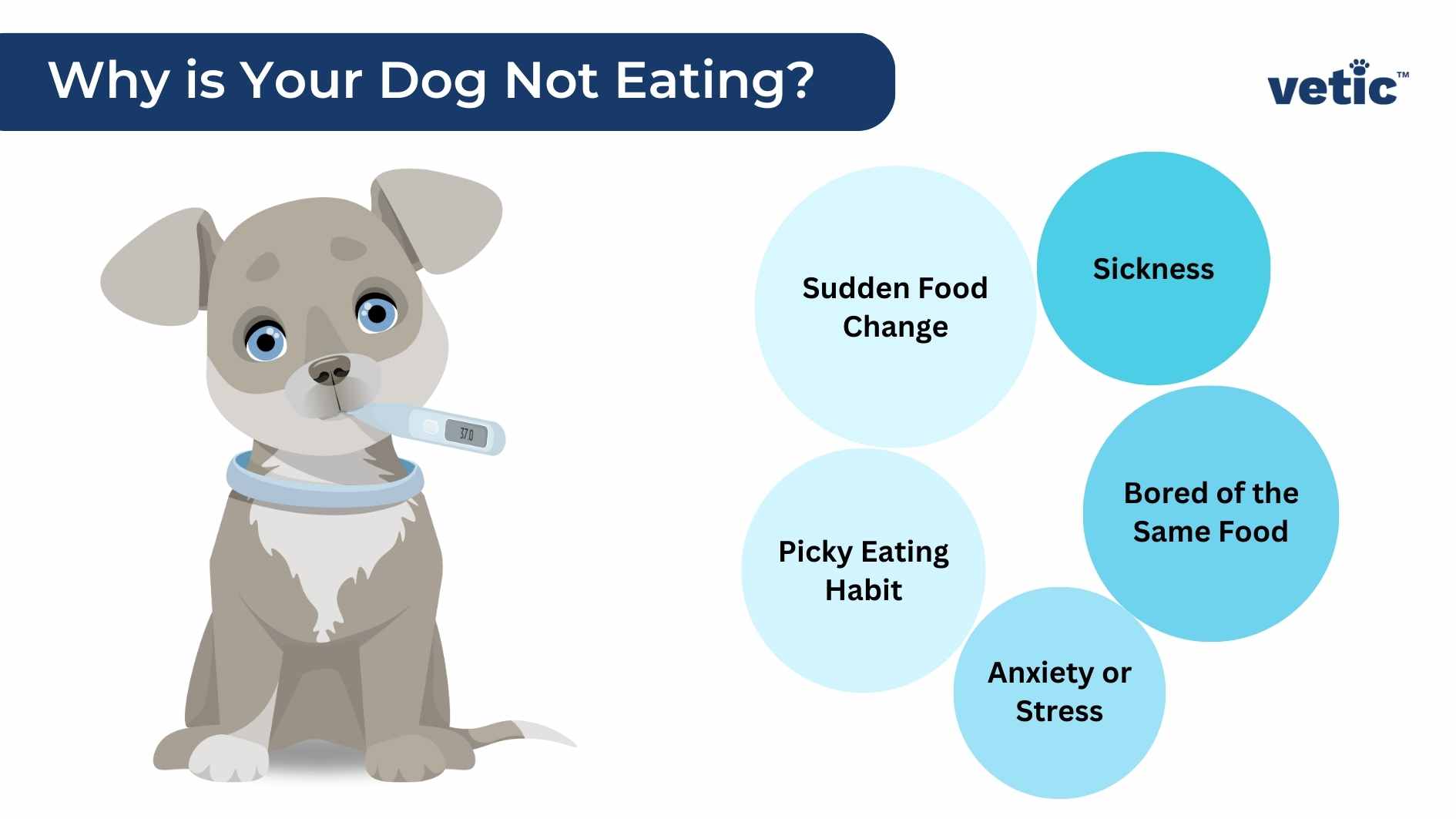
Sometimes the answer to why isn’t my dog eating or drinking is a medical problem that cannot be seen from the outside. Dogs may stop eating when they have an infection, stomach illness, pain, or another condition that makes them feel unwell.
Some illnesses can change thirst in either direction. A dog may drink much more than usual with certain conditions, while a sick or nauseated dog may drink less. A clear change from your dog’s normal pattern is worth discussing with a veterinarian.
Serious causes can include gastrointestinal blockage, pancreatitis, severe infection, kidney problems, liver disease, poisoning, and other conditions. You cannot reliably tell which one is present from appetite loss alone.
- ✦ Stomach or intestinal disease
Nausea, vomiting, diarrhea, inflammation, or a blockage can cause a dog to stop eating.
- ✦ Pancreatitis
Inflammation of the pancreas can cause poor appetite, vomiting, abdominal pain, and low energy.
- ✦ Kidney or liver disease
Problems with major organs can cause appetite changes, nausea, weakness, and altered drinking or urination.
- ✦ Infection
Fever and feeling unwell can reduce interest in both food and water.
- ✦ Poisoning
Some toxic substances can cause vomiting, weakness, drooling, tremors, seizures, or loss of appetite.
A possible intestinal blockage
A blockage can happen when a dog swallows something that cannot pass through the digestive tract. Toys, socks, bones, rocks, fabric, and other objects can cause problems.
Possible signs include repeated vomiting, abdominal pain, a swollen belly, weakness, loss of appetite, and changes in bowel movements. A suspected blockage is an urgent veterinary problem.
- ✦ Do not wait for it to pass
If you know or strongly suspect your dog swallowed an object, contact a veterinarian promptly rather than trying home treatments.
Possible poisoning
If your dog may have eaten a toxic substance, do not wait for appetite loss to become the main symptom. Household products, some human medicines, certain foods, and other substances can be dangerous to dogs.
Contact a veterinarian or a pet poison service right away for guidance. Do not make your dog vomit unless a veterinary professional tells you to do so.
- ✦ Save the package
If possible, keep the product label or package so the veterinary team can identify what your dog may have eaten.
What to Do When Your Dog Is Not Eating or Drinking
If you are asking why isn’t my dog eating or drinking, start with simple checks. Make sure clean, fresh water is available and that the bowl is clean. Keep your dog in a calm place and watch closely for changes.
Do not force food or water into your dog’s mouth. Forcing water can cause choking or aspiration, and force-feeding can make some problems worse. Instead, offer small opportunities to drink and follow your veterinarian’s advice.
If your dog seems otherwise well and the problem has just started, close observation may be reasonable for a short period. The safe time to wait depends on your dog’s age, health, symptoms, and whether the dog is drinking.

- ✦ Offer fresh water
Use a clean bowl and place it somewhere quiet and easy for your dog to reach.
- ✦ Check the mouth
Look for obvious swelling, bleeding, a broken tooth, or something stuck in the mouth, but do not put your fingers deep into a painful dog’s mouth.
- ✦ Keep food familiar
Avoid sudden diet changes while your dog is unwell. Follow veterinary advice about what and how much to feed.
- ✦ Track symptoms
Note when your dog last ate, drank, urinated, and passed stool, along with any vomiting, diarrhea, pain, or behavior changes.
- ✦ Call your veterinarian
Contact your veterinary clinic when the refusal continues, worsens, or occurs with other signs of illness.
How to check for dehydration
A dry mouth, sticky gums, weakness, and reduced urination can occur with dehydration. However, home checks are not perfect, and some dogs can look fairly normal while becoming dehydrated.
If your dog is not drinking, is vomiting, has diarrhea, or seems weak, call your veterinarian. Puppies, senior dogs, and dogs with ongoing medical problems may need faster assessment.
- ✦ Check the gums
Healthy gums are usually moist. Dry or sticky gums can be a warning sign.
- ✦ Watch urination
A marked drop in urine can be concerning, especially when water intake is also low.
When Is a Dog Not Eating or Drinking an Emergency?
Knowing when to seek urgent help is one of the most important parts of answering why isn’t my dog eating or drinking. A dog that refuses food and water along with serious symptoms should not be watched at home for long.
Emergency signs can point to problems that need fast treatment. Do not wait for appetite to return if your dog has trouble breathing, collapses, has seizures, has severe pain, has a swollen abdomen, or repeatedly vomits.
If you are unsure, call your veterinarian or an emergency veterinary hospital and explain what happened. Give them your dog’s age, weight, known health problems, symptoms, and the last time your dog ate and drank.

- ✦ Repeated vomiting
Repeated vomiting, especially with weakness or inability to keep water down, needs prompt veterinary advice.
- ✦ Severe weakness or collapse
A dog that cannot stand, collapses, or becomes unusually weak needs urgent care.
- ✦ Trouble breathing
Breathing difficulty is an emergency and should not be linked to simple appetite loss without medical assessment.
- ✦ Swollen or painful belly
A swollen, hard, or painful abdomen can signal a serious gastrointestinal problem.
- ✦ Blood
Blood in vomit or stool, or significant bleeding from another area, warrants prompt veterinary attention.
- ✦ Possible poisoning
Known or suspected toxin exposure should be treated as urgent even if your dog seems normal at first.
- ✦ Seizures or severe confusion
Neurologic changes require urgent veterinary assessment.
Puppies, senior dogs, and dogs with health problems
Age and health can change how quickly a dog becomes unwell. Puppies have smaller reserves and can become dehydrated or weak faster than a healthy adult dog. Older dogs and dogs with conditions such as diabetes, kidney disease, or other chronic illness may also need earlier veterinary advice.
If a high-risk dog stops eating or drinking, call the veterinary team rather than relying only on a general waiting period. Your veterinarian can tell you how quickly your specific dog should be seen.
- ✦ Young puppies
A puppy that refuses food or water deserves prompt attention, especially if vomiting, diarrhea, weakness, or unusual sleepiness occurs.
- ✦ Older dogs
A sudden appetite or drinking change in a senior dog should be discussed with a veterinarian.
- ✦ Dogs with chronic disease
Dogs with known medical problems may need earlier care when normal eating or drinking changes.
Why Isn’t My Dog Eating but Still Drinking Water?
A dog that will drink but will not eat has a slightly different pattern from a dog that refuses both. Nausea, dental pain, stress, a food issue, fever, or another illness can reduce appetite while thirst remains normal.
This pattern can be less immediately concerning than refusing both food and water, but it still matters if it continues. A dog that drinks excessively, vomits, becomes weak, loses weight, or has changes in urination should be checked by a veterinarian.
Do not assume that drinking normally means your dog is healthy. Water intake is only one part of the picture. Look at energy, behavior, bowel movements, urine, and any signs of pain.

- ✦ Food may be the problem
A stale food smell, sudden food change, or an unpleasant food experience can cause temporary refusal.
- ✦ Nausea may be present
A dog can drink while still feeling too nauseated to eat.
- ✦ Mouth pain may interfere
Some dogs want to eat but stop because chewing hurts.
- ✦ Illness is still possible
Persistent appetite loss can occur with many medical conditions even when water intake continues.
Why isn’t my dog eating or drinking after vomiting?
Vomiting can make a dog avoid food because the stomach feels upset. Some dogs may also avoid water for a short time, but repeated vomiting can lead to fluid loss and dehydration.
If your dog cannot keep even small amounts of water down, vomits repeatedly, has blood in vomit, seems very weak, or has a painful or swollen abdomen, seek veterinary care promptly.
- ✦ Watch water tolerance
The ability to keep water down is an important clue when deciding how urgently to seek veterinary care.
How Veterinarians Find the Cause
If your dog continues to refuse food or water, a veterinarian will first ask about the timing and pattern of the problem. The vet may ask what your dog ate, whether the diet changed, whether vomiting or diarrhea occurred, and whether your dog could have swallowed an object or toxin.
A physical exam can provide important clues. The veterinarian may check the mouth, teeth, gums, hydration, temperature, heart, lungs, abdomen, and overall behavior.
Depending on the findings, the vet may recommend blood tests, urine tests, X-rays, ultrasound, or other tests. These tests help separate a simple appetite change from a condition that needs specific treatment.
- ✦ History
The timing of the appetite change, recent foods, medications, possible toxin exposure, and other symptoms can guide the exam.
- ✦ Physical exam
The veterinarian checks for pain, dehydration, fever, mouth problems, abdominal changes, and other signs.
- ✦ Blood and urine tests
These tests can help assess organ function, infection, hydration, and other internal problems.
- ✦ Imaging
X-rays or ultrasound may help identify a blockage, abnormal organ changes, or other problems.
What information should you bring?
Good notes can help your veterinary team work faster. Write down when your dog last ate and drank, what the dog normally eats, and any changes in food, medicine, activity, or routine.
Also note vomiting, diarrhea, urine changes, stool changes, coughing, pain, unusual behavior, or possible access to garbage, medications, plants, chemicals, toys, or other objects.
- ✦ Bring medication details
List current medicines, supplements, and recent treatments.
- ✦ Mention possible exposures
Tell the veterinarian about anything unusual your dog may have eaten, chewed, or swallowed.
Mistakes to Avoid When Your Dog Refuses Food or Water
When a dog will not eat or drink, it is natural to try several home remedies. Some can help in mild cases, but others can delay needed care or create new problems.
The safest approach is to keep things simple. Provide access to fresh water, avoid force, monitor symptoms, and ask a veterinarian for guidance when the problem is persistent or comes with warning signs.
- ✦ Do not force water
Pouring or squirting water into a reluctant dog’s mouth can cause choking or aspiration.
- ✦ Do not give human medicine without veterinary advice
Some human medicines can be harmful to dogs, even at doses that seem small.
- ✦ Do not assume stress is the cause
Stress can reduce appetite, but illness and pain can look similar.
- ✦ Do not ignore repeated vomiting
Repeated vomiting with poor drinking can lead to dehydration and may signal a serious problem.
- ✦ Do not wait too long with high-risk dogs
Puppies, senior dogs, and dogs with chronic disease may need faster veterinary assessment.
Avoid sudden food experiments
Offering many new foods at once can make stomach upset harder to understand. It can also create a new digestive problem when the original issue was unrelated to food.
If your veterinarian recommends a special diet, follow the feeding plan they provide. If your dog refuses the prescribed diet, ask the veterinary team what alternative is safe.
- ✦ Keep notes
Recording what your dog eats and drinks makes it easier to spot changes and explain them to your veterinarian.