Why Is My Dog Not Eating but Drinking Water? Causes, What to Do, and When to See a Vet
If you are asking, “why is my dog not eating but drinking water,” the first thing to know is that drinking does not always mean your dog is fine. Water intake can remain normal even when a dog has an upset stomach, mouth pain, stress, or another health problem. A short break from food can happen, but a clear change in eating habits deserves attention.
The key is to look at the whole picture. Check your dog’s energy, bathroom habits, gums, body language, and interest in food. Also note when your dog last ate a normal meal. These simple details can help you decide whether to watch closely at home or call your veterinarian.
This guide explains why is my dog not eating but drinking water, what you can safely try at home, which signs need urgent care, and what a veterinarian may check. It is general information, not a diagnosis. Dogs with ongoing or severe symptoms should be examined by a veterinary professional.
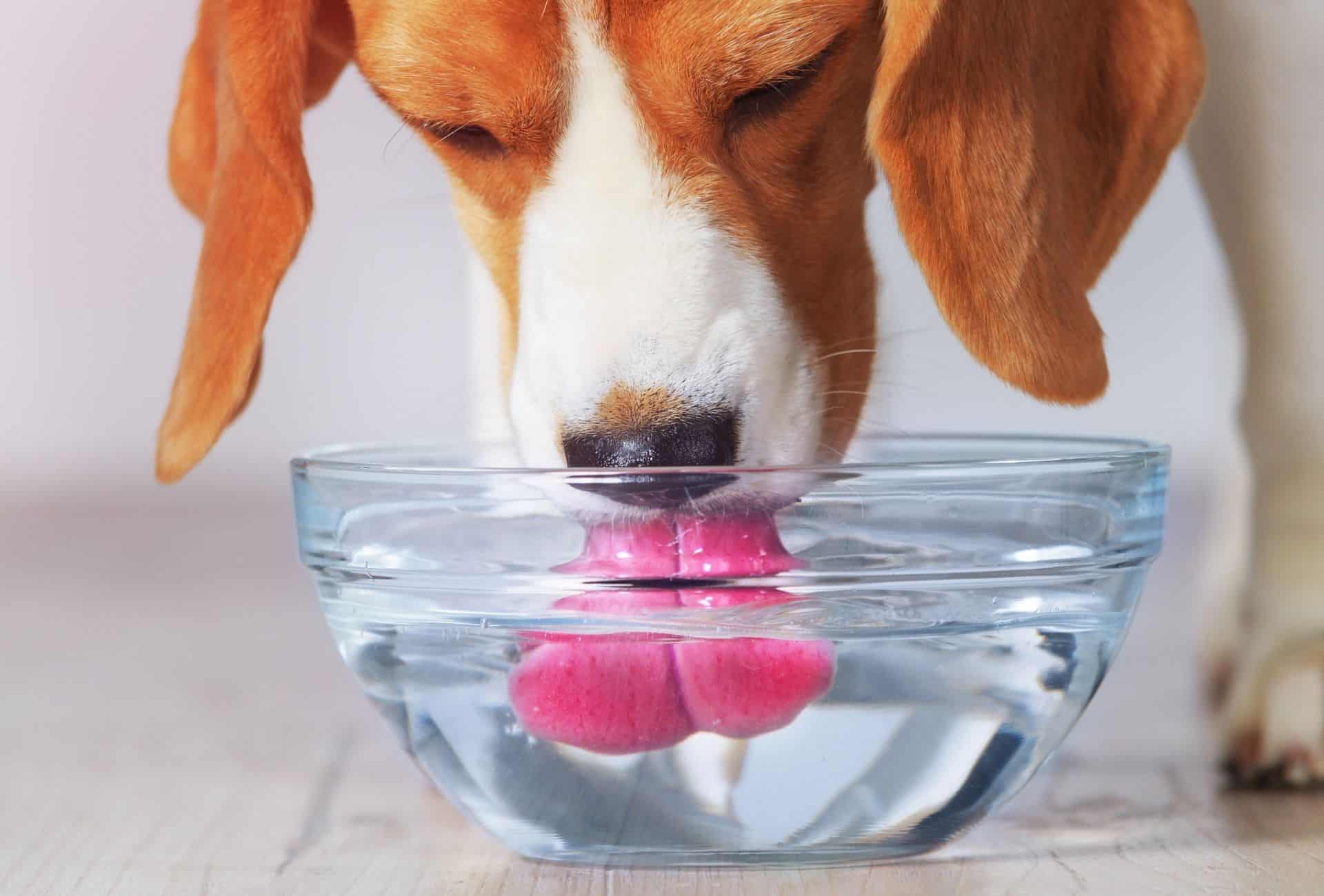
Why Is My Dog Not Eating but Drinking Water?
There is no single answer to why is my dog not eating but drinking water. Dogs can lose interest in food for simple reasons, such as a new food, a hot day, stress, or a change in their normal routine. They can also stop eating because they feel sick or have pain.
The fact that your dog still drinks is useful information. It suggests your dog has enough interest in water to drink, but it does not tell you why food is being refused. A dog with nausea, stomach pain, dental pain, or another illness may still drink water.
Pay close attention to whether your dog seems hungry but cannot eat. For example, a dog may walk toward the bowl, sniff the food, and then walk away. That pattern can point to mouth pain, trouble chewing, nausea, or another problem that makes eating difficult.
- ✦ Mild stomach upset
Nausea or a mild digestive problem can make food less appealing while the dog still wants water.
- ✦ Stress
Moving, travel, loud events, a new pet, or changes in family routine can reduce appetite for a short time.
- ✦ Dental or mouth pain
A painful tooth, sore gums, or another mouth problem can make chewing uncomfortable.
- ✦ Food problem
A stale food, new recipe, sudden diet change, or unpleasant smell can cause some dogs to refuse a meal.
- ✦ Underlying illness
Infections, organ disease, gastrointestinal problems, pain, and other medical conditions can reduce appetite.
Drinking Water Does Not Rule Out Illness
It is easy to think that a dog who drinks water must be okay. That is not always true. A dog can remain interested in water while showing an early sign of illness through a sudden loss of appetite.
Also watch for a sudden increase in drinking. If your dog is drinking much more than usual and is also eating poorly, losing weight, urinating more, vomiting, or acting tired, call your veterinarian. A change in thirst can be an important clue.
- ✦ Watch the pattern
Compare today’s drinking and eating with your dog’s normal habits rather than judging one bowl or one meal.
- ✦ Check urine too
Notice whether your dog is urinating much more or much less than usual.
Common Reasons a Dog Stops Eating but Keeps Drinking
When people search for why is my dog not eating but drinking water, they often want to know if the cause is serious. Sometimes it is not. A healthy adult dog may skip a meal after stress, a minor stomach upset, too many treats, or a change in food.
Still, appetite loss can be an early sign of disease. The cause cannot be confirmed from appetite alone, so look for other changes. Your dog’s age, medical history, medicines, and normal eating pattern also matter.

- ✦ Nausea or upset stomach
Nausea can make food smell or taste unpleasant. Some dogs will drink water but turn away from food.
- ✦ Dental pain
A broken tooth, sore gums, oral inflammation, or another mouth problem can make chewing painful.
- ✦ Stress or anxiety
Changes at home, travel, boarding, fireworks, construction noise, or separation can affect appetite.
- ✦ Food change
A sudden switch in food can upset the stomach or make the new food less appealing.
- ✦ Too many treats
A dog that gets many treats, table scraps, or chews may not be hungry at normal meal times.
- ✦ Pain elsewhere in the body
Pain from an injury or illness can reduce appetite even when a dog still drinks.
- ✦ Medication side effects
Some medicines can cause nausea or lower appetite. Ask your veterinarian if appetite changed after a medicine started.
- ✦ Infection or other illness
Many illnesses can cause appetite loss. Other signs may include fever, tiredness, vomiting, diarrhea, coughing, or weight loss.
True Loss of Appetite vs. Trouble Eating
There is an important difference between not wanting food and wanting food but being unable to eat. A dog with true appetite loss may ignore the bowl. A dog with mouth pain may seem interested but stop after trying to chew.
Watch what happens at mealtime. If your dog approaches food, tries to eat, drops pieces, chews on one side, drools, paws at the mouth, or backs away after sniffing, tell your veterinarian. This information can help narrow down the cause.
- ✦ Not interested
Your dog does not approach food or shows little interest when food is offered.
- ✦ Interested but unable
Your dog wants food but struggles to pick it up, chew it, swallow it, or keep eating.
Could Stress or a Change in Routine Cause Appetite Loss?
Yes. Stress is a common reason a dog may suddenly stop eating. Dogs can react to changes that seem small to people, such as moving furniture, having visitors, changing meal times, traveling, or bringing home another pet.
A stressed dog may still drink water and act fairly normal. You may also notice pacing, hiding, whining, clinginess, panting, or changes in sleep. If appetite returns as your dog settles, stress may have played a role.
Do not assume stress is the cause if the appetite loss continues. A dog can have a medical problem and show stress-like behavior. If your dog remains off food or develops other symptoms, speak with your veterinarian.
- ✦ Keep meals predictable
Offer food at the usual time and place. A calm, quiet feeding area can help.
- ✦ Limit big changes
Keep exercise, sleep, feeding, and bathroom routines as steady as possible.
- ✦ Watch for other signs
Stress should not be used to explain away vomiting, severe pain, weakness, breathing problems, or other serious symptoms.
When Stress Is More Likely
Stress is more likely when the appetite change starts soon after a clear event and your dog otherwise seems comfortable. For example, a dog may eat less during a move and return to normal after settling into the new home.
Even then, keep track of how long the problem lasts. A continued lack of appetite needs a closer look.
- ✦ Recent change
Look for travel, visitors, a new pet, a new home, loud noise, or another recent event.
- ✦ Normal behavior
A dog with a mild stress response may still drink, play, walk, and use the bathroom normally.
Medical Problems That Can Cause a Dog Not to Eat
A medical problem becomes more likely when appetite loss comes with other changes. Dogs may eat less when they have stomach or intestinal disease, infection, pain, dental disease, pancreatitis, or problems affecting another organ.
Some serious problems can begin with only a small change in appetite. This is why the question why is my dog not eating but drinking water should not be answered by looking at water intake alone.
Your veterinarian may ask about food, treats, water, urine, stool, vomiting, activity, medicines, recent events, and possible access to harmful items. A physical exam and, when needed, blood tests or imaging can help find the cause.
- ✦ Gastrointestinal problems
Stomach or intestinal irritation can cause nausea, abdominal discomfort, vomiting, diarrhea, or loss of appetite.
- ✦ Pancreatitis
Pancreatitis can cause appetite loss, vomiting, belly pain, weakness, and other signs that need veterinary attention.
- ✦ Kidney or other organ disease
Some organ problems can affect appetite and thirst. Changes in drinking or urination can be useful clues.
- ✦ Dental disease
Pain in the mouth can make a dog refuse hard food or stop eating altogether.
- ✦ Foreign object or blockage
A swallowed toy, bone, cloth, or other object can cause serious digestive problems and needs prompt veterinary assessment.
- ✦ Toxin exposure
Some household items, foods, medicines, and chemicals can be toxic to dogs. Suspected poisoning needs urgent professional help.
Signs That Make Medical Causes More Concerning
The more symptoms your dog has, the less appropriate it is to simply wait and see. A dog that refuses food and also vomits, has diarrhea, seems weak, or shows pain should be assessed sooner.
Age also matters. Puppies can become unwell faster than healthy adult dogs, and dogs with diabetes or other chronic conditions may need special instructions when they miss a meal.
- ✦ Repeated vomiting
Repeated vomiting can lead to dehydration and may point to a more serious problem.
- ✦ Severe tiredness
Marked weakness or unusual sleepiness is more concerning than a simple skipped meal.
- ✦ Abdominal pain
A hunched posture, tense belly, restlessness, or repeated attempts to get comfortable can signal pain.
- ✦ Major thirst changes
A sudden large increase or decrease in water intake should be discussed with a veterinarian.
What Should I Do If My Dog Is Not Eating but Drinking Water?
If your dog is otherwise bright, comfortable, and free of warning signs, start by checking the simple things. Make sure the food is fresh and that nothing has changed about the bowl, feeding area, schedule, or food recipe.
You can offer the normal food again after a short break. Some dogs respond to food that is gently warmed or softened with warm water. Do not force food into your dog’s mouth.
Keep fresh water available. If your dog stops drinking, cannot keep water down, or seems dehydrated, contact a veterinarian promptly. Water intake is especially important when a dog is not getting moisture from food.

- ✦ Offer a small meal
A smaller portion may be easier to accept than a full bowl.
- ✦ Warm the food slightly
A little warmth can increase the food’s smell and may make it more appealing.
- ✦ Add a little warm water
Softening dry food with warm water may help some dogs, especially if chewing feels uncomfortable.
- ✦ Keep water available
Provide clean, fresh water in a quiet and easy-to-reach place.
- ✦ Avoid force-feeding
Forcing food can cause stress or create a risk of choking or aspiration.
- ✦ Track the timing
Write down when your dog last ate a normal meal and note any new symptoms.
What Not to Give Your Dog
Do not use human medicines to treat appetite loss unless a veterinarian specifically tells you to do so. Some common human medicines can be dangerous for dogs.
Avoid suddenly giving large amounts of rich or fatty food just to make your dog eat. A sudden food change or rich meal can make stomach problems worse.
- ✦ Human medicine
Never give pain medicine, anti-nausea medicine, or another human drug without veterinary guidance.
- ✦ Large fatty meals
Rich foods can upset the stomach and may be harmful for some dogs.
- ✦ Force-feeding
Do not push food or liquid into the mouth unless a veterinarian has given you clear instructions.
How Long Can a Dog Go Without Eating?
There is no single safe time for every dog. A healthy adult dog may occasionally skip a meal, but a clear or ongoing appetite change should not be ignored. Veterinary guidance is especially important when the dog has other symptoms or a known medical condition.
For a normally healthy adult dog, contacting your veterinarian after about 12 to 24 hours without food is a sensible step, particularly if the appetite loss is unusual. Some veterinary urgent-care guidance recommends evaluation after more than 12 hours without eating.
Do not use the same waiting period for every dog. Puppies, senior dogs, diabetic dogs, dogs with chronic disease, and dogs taking important medicines may need earlier care. If you are unsure, call your veterinary clinic and describe the situation.

- ✦ Healthy adult dog
A single missed meal may not be an emergency, but ongoing appetite loss deserves veterinary advice.
- ✦ Puppy
Puppies have less reserve and can become ill quickly, so missed meals deserve closer attention.
- ✦ Diabetic dog
A diabetic dog that refuses food needs prompt veterinary guidance because eating and medication can be closely linked.
- ✦ Dog with chronic disease
Dogs with kidney, liver, digestive, endocrine, or other conditions may need a different plan.
Why the 12-to-24-Hour Window Is Not a Rule for Every Dog
The question is not only how long your dog has gone without food. The dog’s age, size, health, medicines, and other symptoms all change the level of concern.
For example, a healthy adult dog that skips one meal and then plays, drinks, urinates, and acts normally is different from a puppy that refuses food and becomes weak. When in doubt, a phone call to your veterinarian is safer than guessing.
- ✦ Look at the whole dog
Eating time matters, but energy, hydration, vomiting, stool, pain, and behavior matter too.
- ✦ Call sooner when unsure
Veterinary clinics can help you decide how quickly your dog should be seen based on the full history.
When Is a Dog Not Eating but Drinking Water an Emergency?
A dog that will not eat and also shows serious symptoms may need urgent or emergency care. Do not wait for appetite to return if your dog has trouble breathing, collapses, has severe pain, has a swollen or painful belly, repeatedly vomits, or cannot keep water down.
Possible toxin exposure or a swallowed object also deserves prompt attention. A dog may continue drinking during the early stage of a serious problem, so drinking water should not be used as proof that the condition is mild.
If your regular veterinarian is closed and your dog has severe symptoms, contact a local emergency veterinary hospital. Bring information about anything your dog may have eaten, swallowed, or been exposed to.

- ✦ Repeated vomiting
Repeated vomiting can cause fluid loss and may signal a serious stomach or intestinal problem.
- ✦ Severe weakness or collapse
Sudden weakness, collapse, or inability to stand needs urgent veterinary assessment.
- ✦ Swollen or painful abdomen
A swollen belly with restlessness, pain, retching, or weakness can be an emergency.
- ✦ Blood
Blood in vomit or stool, especially with weakness or repeated vomiting, needs prompt veterinary attention.
- ✦ Cannot keep water down
A dog that vomits every time it drinks may become dehydrated and needs veterinary care.
- ✦ Possible poisoning
If your dog may have eaten a toxic food, medicine, chemical, or other harmful substance, seek urgent veterinary advice.
- ✦ Possible blockage
A dog that may have swallowed a toy, sock, bone, or other object should be evaluated promptly.
Signs of Dehydration to Watch For
Drinking water lowers the risk of dehydration, but it does not guarantee that hydration is normal. Vomiting, diarrhea, fever, heavy panting, or another illness can cause fluid loss.
Dry or sticky gums, unusual weakness, and other signs of dehydration need veterinary attention, especially when your dog is not eating. Avoid trying to treat significant dehydration at home without professional guidance.
- ✦ Sticky gums
Healthy gums are usually moist. Sticky or unusually dry gums can be a warning sign.
- ✦ Weakness
Low energy or weakness can occur with dehydration and many other serious conditions.
- ✦ Ongoing fluid loss
Repeated vomiting or diarrhea can quickly increase the risk of dehydration.
What Will a Veterinarian Check?
If your dog continues to refuse food, your veterinarian will first ask when the problem began and what your dog has eaten and drunk. They may also ask about vomiting, diarrhea, urine, stool, activity, weight, medicines, recent food changes, and possible toxin exposure.
The physical exam may include checking the mouth and teeth, listening to the heart and lungs, feeling the abdomen, checking temperature, and looking for signs of pain or dehydration. These steps can help separate a simple appetite change from a medical problem.
Depending on the findings, the veterinarian may recommend blood tests, urine tests, X-rays, ultrasound, or other tests. Treatment depends on the cause. It may include fluids, nausea control, pain relief, dental treatment, dietary support, or treatment for an underlying disease.
- ✦ History
Your notes about eating, drinking, vomiting, stool, urine, behavior, and timing can help the veterinarian.
- ✦ Physical exam
The vet may examine the mouth, abdomen, hydration, temperature, and other body systems.
- ✦ Laboratory tests
Blood or urine tests may help identify infection, organ problems, dehydration, or metabolic changes.
- ✦ Imaging
X-rays or ultrasound may be used when a blockage, abdominal problem, or other internal issue is suspected.
What Information Should You Bring?
Before the appointment, write down the last time your dog ate a normal meal. Also note the type of food, recent treats, water intake, bowel movements, urination, vomiting, and any behavior changes.
If you think your dog swallowed something or was exposed to a toxin, tell the veterinarian exactly what you suspect. If possible, bring the package or a photo of the product.
- ✦ Last normal meal
Record the date and approximate time your dog last ate normally.
- ✦ Recent changes
Note changes in food, treats, medicines, routine, travel, or the home.
- ✦ Other symptoms
Write down vomiting, diarrhea, coughing, pain, weakness, unusual thirst, or changes in urination.
How to Help Prevent Future Appetite Problems
You cannot prevent every cause of appetite loss, but good daily habits can make problems easier to spot. Feed a complete and balanced diet that suits your dog’s life stage, keep fresh water available, and avoid frequent sudden food changes.
Regular dental care also matters. Dental pain can be easy to miss because dogs often hide discomfort. Routine veterinary visits can help detect health problems before they become more serious.
It also helps to know your dog’s normal habits. When you know how much your dog usually eats, drinks, urinates, and exercises, a change is easier to notice.
- ✦ Keep food consistent
Change diets gradually unless your veterinarian gives you a different plan.
- ✦ Limit table scraps
Too many rich foods and treats can upset digestion and reduce interest in normal meals.
- ✦ Maintain dental care
Regular dental checks can help identify painful mouth problems.
- ✦ Keep fresh water available
Clean drinking water should be available throughout the day.
- ✦ Know your dog’s normal
A baseline for appetite, thirst, energy, stool, and urine makes new changes easier to recognize.
A Simple Daily Check
A quick daily check can take less than a minute. Look at your dog’s appetite, water intake, energy, stool, urine, and general behavior.
This habit can help you notice small changes early. It is especially useful for puppies, senior dogs, and dogs with ongoing medical conditions.
- ✦ Food
Notice whether your dog finishes the usual amount.
- ✦ Water
Notice major changes in how often or how much your dog drinks.
- ✦ Behavior
Watch for changes in energy, comfort, sleep, and interest in normal activities.