Why Is My Dog’s Ear Sticking Up: Causes And Solutions
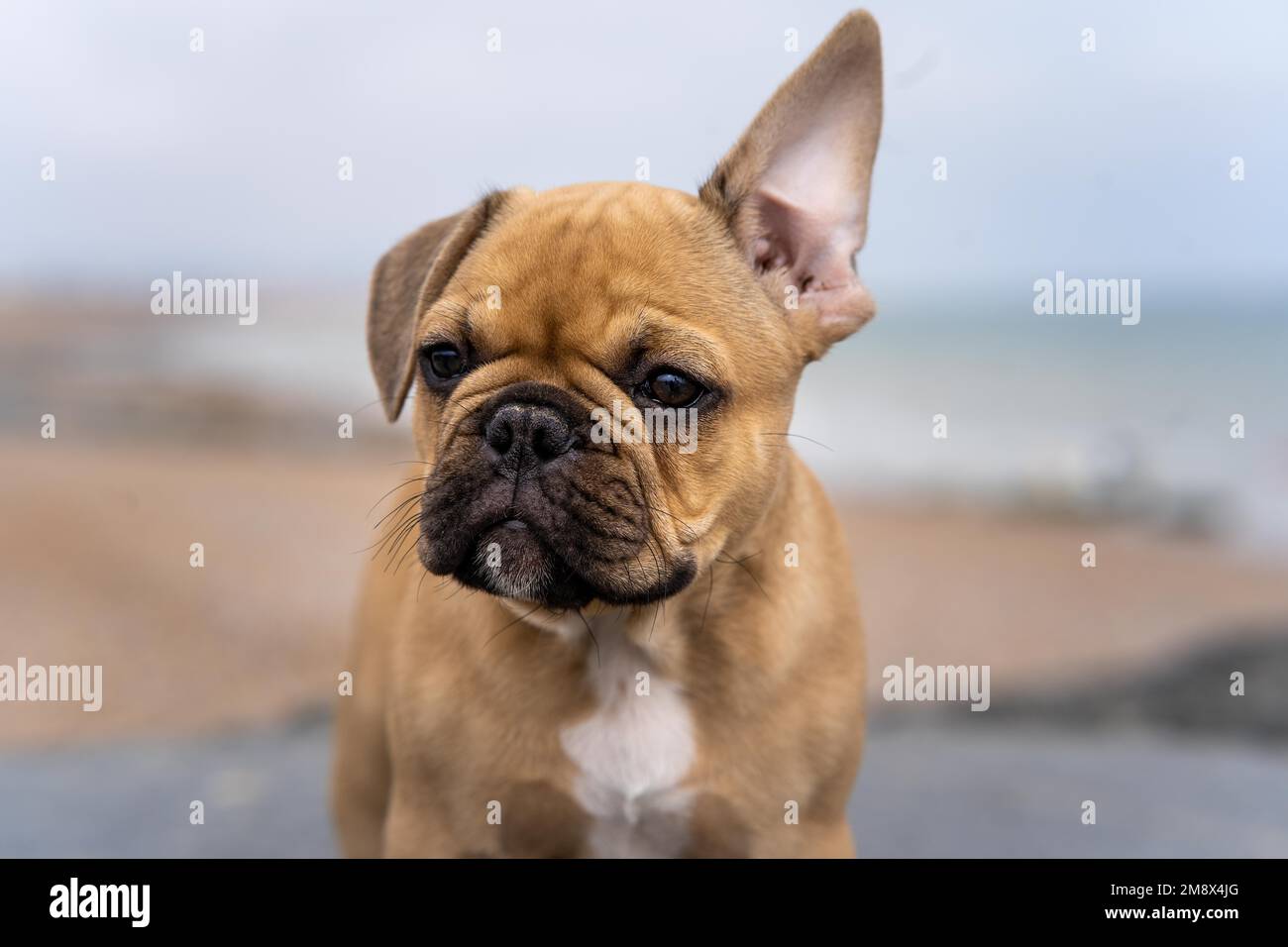
A dog’s ear may stick up because of normal breed traits, changing ear cartilage, alertness, or a habit that is still developing. But a sudden change can also point to an ear infection, injury, swelling, or pain. Check whether the ear change is new, one-sided, and linked to other signs.
Introduction
For dog owners in the United States, a single ear standing up is often harmless. This is especially true in puppies, mixed-breed dogs, and breeds with naturally upright ears, such as German Shepherd Dogs, Siberian Huskies, Chihuahuas, and Australian Cattle Dogs.
The key question is not only, “Why is my dog’s ear sticking up?” It is also, “Did it happen suddenly, and does my dog seem uncomfortable?” A calm dog with a clean ear and normal behavior may only be showing alertness or natural ear development. A dog that shakes its head, scratches, cries, or has discharge needs closer attention.
Common Reasons Your Dog’s Ear Is Sticking Up
The most common reasons are normal ear shape, puppy development, attention, or changes in the ear’s muscles and cartilage.
1. Natural breed shape
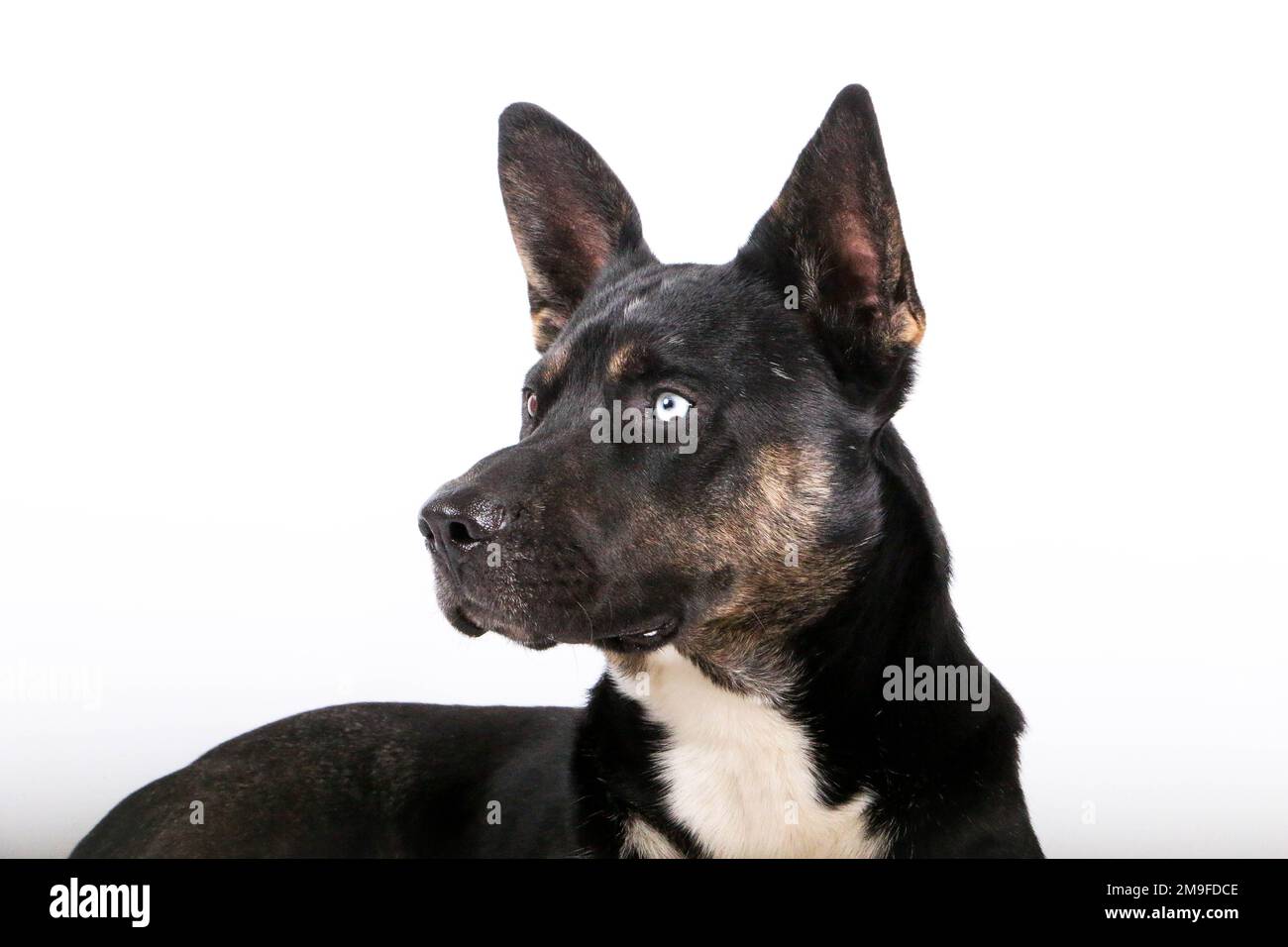
Some dogs have upright ears by birth. Others have ears that rise as they grow. A mixed-breed dog may also inherit one upright ear and one floppy ear from different parent breeds.
Ear shape depends on:
- Genetics
- Ear size and weight
- Cartilage strength
- Fur around the ear
- Muscle control
- Age and growth
A dog’s ears do not need to match perfectly. Small differences are common.
2. Puppy ear development
Puppies often have ears that change position from week to week. Their ear cartilage is still growing. Teething may also affect how the ears look for a short time.
A puppy’s ears may:
- Stand up for part of the day
- Fall when the puppy is tired
- Change during teething
- Move unevenly
- Switch from floppy to upright over several months
Many dogs develop their adult ear position between about 8 weeks and 6 months of age. The timing varies by breed and by the individual dog.
There is no reliable way to predict the final ear position in every puppy. A veterinarian can assess growth, but even a veterinary exam may not predict the exact adult shape.
3. Alertness or excitement
Dogs raise their ears when they hear or see something interesting. This helps them direct the outer ear toward a sound.
Your dog may hold an ear up when:
- Someone approaches the home
- Another animal is nearby
- You open a food bag
- Your dog hears a new sound
- You are about to go for a walk
If the ear returns to its usual position when your dog relaxes, alertness is a likely cause.
4. Habit or learned posture
Some dogs hold one ear up because it has become their normal resting position. Facial structure and ear muscle control can make one side more active than the other.
This is usually not a problem if your dog:
- Acts normally
- Eats and sleeps well
- Does not scratch the ear
- Has no odor or discharge
- Does not react when the ear is touched
5. Recent grooming
Clipping fur around the ear can make the ear look lighter. A previously floppy ear may stand up after a haircut because less hair is pulling it down.
This effect is often temporary. The ear may drop again as the fur grows back.
6. Ear pain or irritation
A painful ear may be held in an unusual position. Some dogs hold the affected ear partly up, partly down, or away from the head.
Possible causes include:
- Bacterial or yeast infection
- Ear mites
- Allergies
- A grass awn or other foreign object
- Insect bites
- Small cuts
- Excess moisture
- Irritation from cleaning products
Ear infections often cause more than a posture change. Look for odor, redness, warmth, discharge, head shaking, or scratching.
7. An ear hematoma
An ear hematoma is a pocket of blood within the ear flap. It often develops after hard scratching or head shaking.
The ear may look:
- Thick
- Puffy
- Warm
- Heavy
- Folded in a new way
A hematoma can feel like a soft or firm water balloon under the skin. It needs veterinary care. Do not puncture or drain it at home.
Veterinary sources such as Merck Veterinary Manual and VCA Animal Hospitals describe ear hematomas as conditions that commonly follow ear irritation, scratching, or shaking.

How to Tell if the Ear Change Is Normal
A normal ear change is usually linked to your dog’s breed, age, mood, or recent grooming. A medical problem is more likely when the change is sudden and comes with discomfort.
Use this quick comparison:
| What you notice | More likely explanation | What to do |
|---|---|---|
| Both ears rise when your dog hears a sound | Alertness | Watch for a return to normal |
| One ear has always stood up | Natural shape or habit | Monitor only if your dog is comfortable |
| Puppy ears change during growth | Developing cartilage | Mention it at routine visits |
| One ear suddenly changes position | Pain, irritation, or injury | Check for other signs and call your vet if needed |
| Ear flap is swollen or thick | Possible hematoma or injury | Arrange prompt veterinary care |
| Redness, odor, discharge, or scratching | Ear disease | Schedule a veterinary exam |
| Head tilt, poor balance, or rapid eye movement | Possible deeper ear problem | Seek urgent veterinary care |
Do not judge the ear by appearance alone. A dog may hide pain, especially early in an ear infection.
Check behavior first
Watch your dog for a few minutes. Ask:
- Is your dog eating and drinking normally?
- Is your dog playing or resting as usual?
- Does the ear return to normal when your dog relaxes?
- Is your dog scratching or shaking its head?
- Does your dog pull away when you touch near the ear?
- Is there a smell, fluid, blood, or swelling?
The more “yes” answers you have to questions 4 through 6, the more useful a veterinary exam becomes.
Compare both ears
Look at the outside of each ear in good light. Do not force the ear open. Compare:
- Skin color
- Swelling
- Scratches
- Crusts
- Odor
- Discharge
- Heat
- Thickness
Never push a cotton swab into the ear canal. It can move wax deeper or injure the eardrum.

What to Do at Home
If your dog seems comfortable, observe the ear and record changes. If your dog shows pain or other warning signs, contact a veterinarian instead of trying home treatment.
Safe steps for mild, symptom-free changes
-
Take a clear photo.
A photo helps you compare the ear over time and can help your veterinarian understand when the change began. -
Watch for 24 hours.
Note head shaking, scratching, odor, discharge, swelling, and changes in mood. -
Keep the ear dry.
Avoid swimming and do not pour water into the ear. -
Avoid repeated handling.
Frequent touching can increase irritation and stress. -
Check the ear during the next routine visit.
Ask your veterinarian to examine it, especially if the ear change is new or persistent.
Do not use human ear medicine
Do not put hydrogen peroxide, rubbing alcohol, essential oils, vinegar, or leftover medicine in your dog’s ear unless your veterinarian directs you to do so.
These products may worsen irritation. Some ear medications are unsafe if the eardrum is damaged. A veterinarian may need to examine the ear canal and test the discharge before choosing treatment.
The American Kennel Club notes that ear infection signs can include odor, redness, discharge, scratching, and head shaking. Treatment depends on the cause, so guessing at home can delay proper care.
When to call your veterinarian
Call your veterinary clinic soon if your dog has:
- A sudden change in one ear
- Repeated head shaking
- Frequent scratching
- Ear redness or swelling
- Bad odor
- Yellow, brown, green, or bloody discharge
- Pain when the ear is touched
- A swollen ear flap
- Symptoms that last more than a day
A same-day exam is wise for severe pain, bleeding, marked swelling, or a suspected foreign object.
When a Dog’s Ear Problem Is an Emergency
Some signs may indicate a deeper ear problem or another urgent condition. Seek urgent veterinary care if the ear change occurs with:
- A persistent head tilt
- Loss of balance
- Trouble walking
- Falling or circling
- Rapid, unusual eye movements
- Facial drooping
- Severe pain
- Sudden hearing loss
- Collapse or extreme weakness
The middle and inner ear help control balance. Problems in these areas may cause neurological signs, not just ear redness or itching.
If your dog has facial swelling, trouble breathing, widespread hives, or sudden collapse, use an emergency veterinary hospital. These signs may point to a serious allergic reaction or another emergency.
Could a bite or sting make the ear stand up?
Yes. An insect bite or sting may cause local swelling and an unusual ear position. Check the ear flap for a small bump, redness, heat, or tenderness.
Do not give human pain medicine unless a veterinarian tells you the exact drug and dose. Common human medicines can be dangerous for dogs.
Could a foreign object be inside the ear?
Yes. Grass awns, plant pieces, dirt, and other debris can enter the ear canal. Affected dogs often shake their heads, scratch one ear, or hold the ear differently.
Do not dig for an object. A veterinarian can inspect the canal safely and remove the object with the right tools.

Why One Ear Stands Up While the Other Stays Down
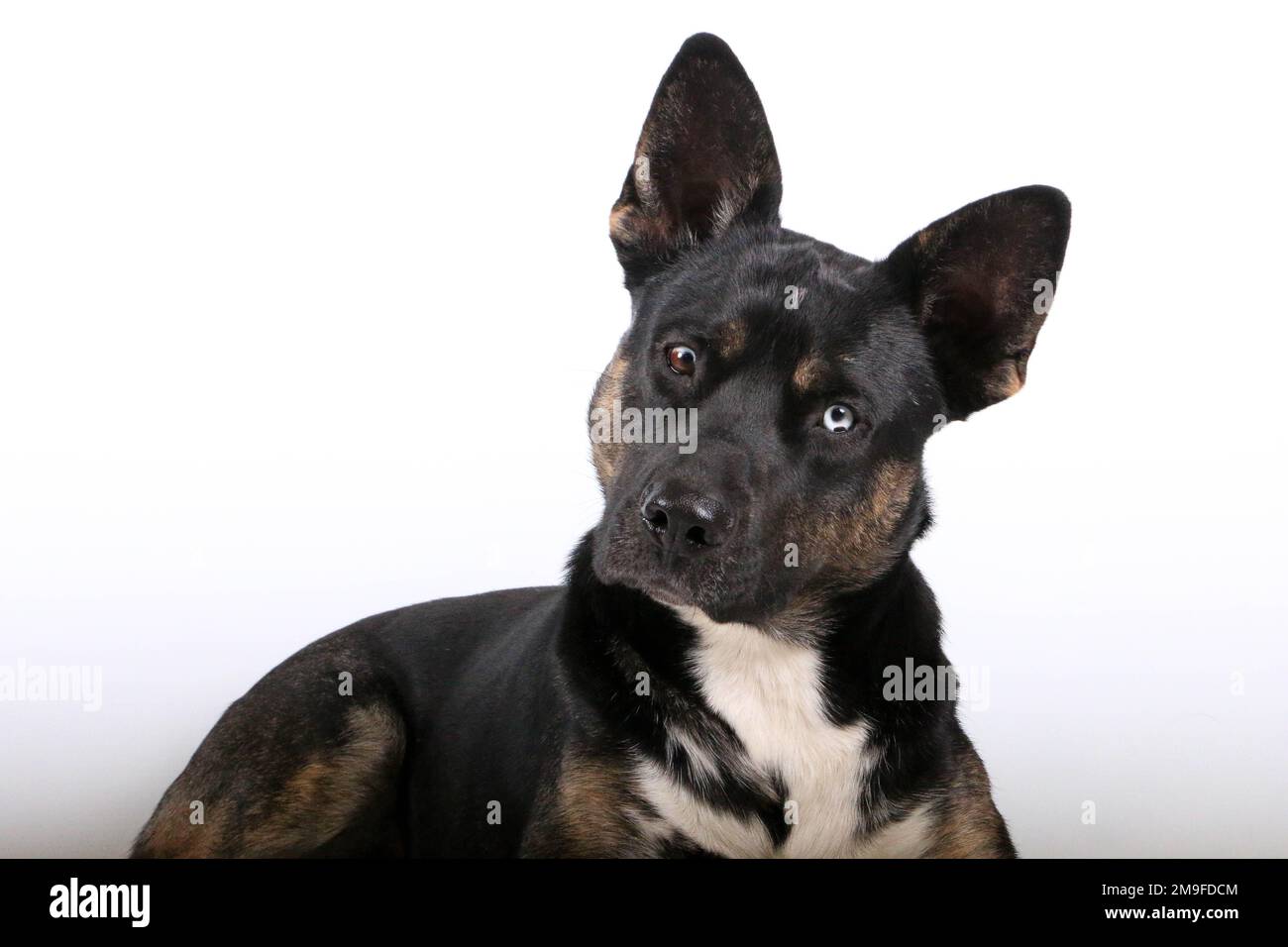
One ear standing up is often normal, especially in puppies and mixed-breed dogs. The two ears may have different cartilage strength, weight, muscle control, or inherited shape.
A one-up, one-down look is usually harmless when it has been present for a long time and your dog has no pain. It is more concerning when the difference appears suddenly.
Sudden one-sided changes may result from:
- Ear irritation
- An infection
- A foreign object
- An injury
- Swelling
- A hematoma
- A painful bite or sting
The time line matters. A stable difference since puppyhood is less concerning than a new difference that appeared this morning.
Can You Make a Dog’s Ear Stand Up?
Do not tape, glue, massage, or force your dog’s ears without guidance from a veterinarian. These methods can cause skin damage, pain, infection, or stress.
Some breeders discuss ear support for specific breeds during puppy growth. However, the correct method, timing, and safety depend on the dog. Ear cropping is a surgical procedure, not a simple home fix, and rules and veterinary policies vary across the United States.
Your dog does not need upright ears to be healthy. Ear position is mainly a cosmetic trait unless a medical problem is causing the change.

Common Mistakes to Avoid
Several well-meant actions can make an ear problem worse.
Do not clean a painful ear deeply
A painful ear may have an inflamed canal or a damaged eardrum. Deep cleaning can increase pain and injury.
Do not remove a suspected foreign object yourself
Pulling on an object can break it or push it farther into the canal. Some objects also have barbs that make removal difficult.
Do not drain a swollen ear flap
A hematoma can refill, become infected, or leave permanent scar tissue if treated incorrectly.
Do not rely on smell alone
Some ear problems cause little odor at first. A clean smell does not prove that the ear is healthy.
Do not wait if symptoms are worsening
A mild issue can become more painful and harder to treat. Early veterinary care may prevent a small ear problem from becoming a long-term one.

Frequently Asked Questions
Why is my dog’s ear sticking up all of a sudden?
A sudden change may come from alertness, irritation, pain, swelling, or an injury. Check for scratching, head shaking, odor, redness, discharge, and tenderness. If any of these signs appear, contact your veterinarian.
Why is my puppy’s ear up one day and down the next?
Puppy ear cartilage is still developing. Teething, growth, fatigue, and excitement can change ear position. This is often normal, but pain or discharge is not.
Why does my dog hold one ear up and one ear down?
The difference may be natural anatomy, breed traits, or a habit. If the position changed suddenly, look for signs of irritation or pain and arrange a veterinary exam if the change continues.
Should I worry if my dog’s ear is warm?
A slightly warm ear may be normal. A hot ear with redness, swelling, pain, odor, or discharge is more concerning and may indicate inflammation or infection.
Can an ear infection make a dog’s ear stand up?
Yes. Ear pain and swelling can change how a dog carries the ear. Common related signs include scratching, head shaking, odor, redness, and discharge.
How long should I watch a dog’s unusual ear position?
If your dog is comfortable and has no other symptoms, watch closely for about 24 hours. Contact your veterinarian sooner for pain, swelling, discharge, bleeding, repeated shaking, or balance problems.
Conclusion
Your dog’s ear may be sticking up because of normal anatomy, puppy growth, alertness, grooming, or habit. A sudden one-sided change is more important when it comes with pain, scratching, head shaking, odor, discharge, swelling, or balance problems.
Watch a symptom-free ear, but do not put home remedies or human medicine into it. If the change is new, uncomfortable, or getting worse, have a veterinarian examine your dog’s ear canal and ear flap.