Why Do Dogs Ears Droop: Causes And When To Worry
A dog’s ears may droop because of normal breed traits, relaxed body language, age, or a health problem. In the United States, the most common medical causes include ear infections, allergies, ear mites, injury, and a swollen ear flap. A sudden change—especially with pain, odor, discharge, head shaking, or facial weakness—needs a prompt call to a veterinarian.
Introduction: What drooping Ears Usually Mean
Dogs have many ear shapes. Labrador Retrievers, Beagles, Basset Hounds, and Cocker Spaniels naturally have floppy ears because of their genes and ear structure. Their ear cartilage does not hold the outer ear upright.
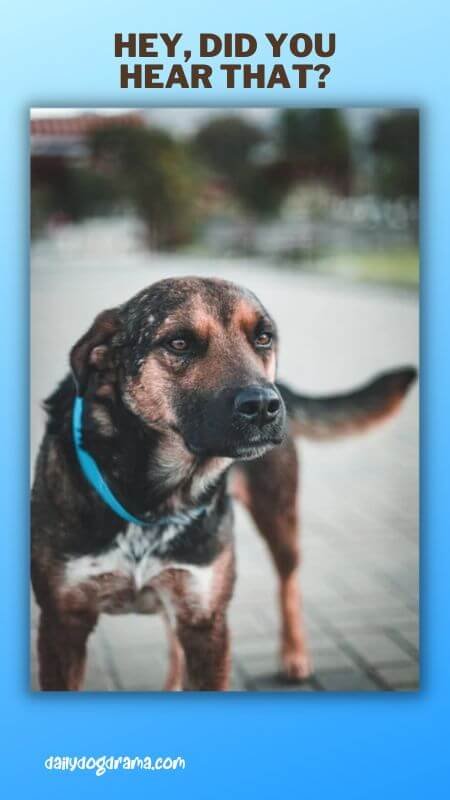
A dog with normally erect ears may also let them droop when relaxed, scared, tired, or focused on something. This change is often brief and affects both ears.
The key question is not simply, “Why are my dog’s ears drooping?” Ask instead:
- Is this normal for my dog?
- Did the change happen suddenly?
- Is one ear different from the other?
- Are there signs of pain or illness?
- Is the ear flap swollen, warm, red, or full of fluid?
These details help separate normal ear position from a problem that needs veterinary care.

Normal Reasons a Dog’s Ears Droop
Some dogs have drooping ears for their entire lives. Others may lower their ears for a short time as part of normal body language.
Breed and genetics
Breed traits are the most common reason for permanently floppy ears. Ear size, cartilage strength, skin thickness, and the shape of the ear canal all affect ear position.
Common breeds with naturally drooping ears include:
- Basset Hounds
- Beagles
- Bloodhounds
- Cocker Spaniels
- Dachshunds
- Golden Retrievers
- Labrador Retrievers
- Poodles
- Shih Tzus
Mixed-breed dogs may have one upright ear and one floppy ear. This can be normal if the pattern has always been present and the dog shows no discomfort.
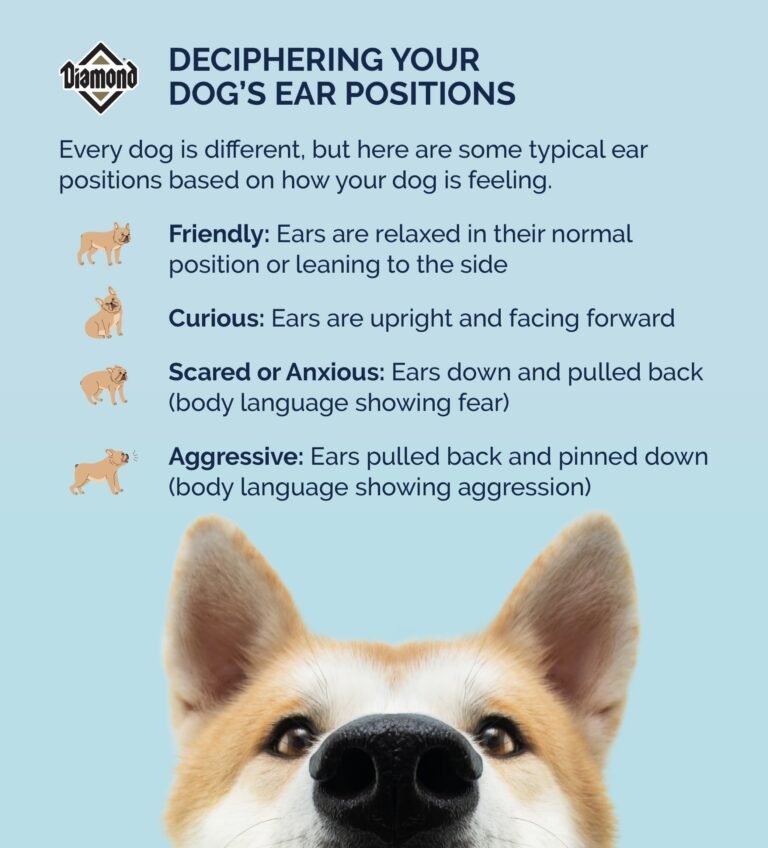
Relaxed or submissive body language
Dogs may pull their ears back or let them fall when they feel calm, nervous, uncertain, or submissive. This is usually temporary.
A relaxed dog may also have:
- Soft eyes
- A loose mouth
- A relaxed body
- A gently wagging tail
- Normal eating and play
A fearful dog may show additional signs, such as a tucked tail, lowered body, lip licking, yawning, or avoiding eye contact. Ear position alone cannot identify a dog’s mood.
Age and puppy development
Puppies’ ears can change position as they grow. Cartilage and muscle continue to develop, so an ear may rise, fall, or change from day to day.
In puppies with naturally erect ears, teething may coincide with temporary changes in ear carriage. This does not mean that teething directly causes an ear infection or other disease. Pain, swelling, discharge, or a bad smell still requires a veterinary check.
Cold, fatigue, or temporary attention
A tired dog may hold its ears lower than usual. Cold weather can also make some dogs hold their ears differently for a short time. These changes should resolve when the dog warms up, rests, or returns to normal activity.
If the ear stays drooped or the dog acts sick, do not assume the cause is harmless.

Medical Causes of Sudden Drooping Ears
A sudden drooping ear can signal pain or inflammation. The most likely causes depend on whether one or both ears are affected and whether other symptoms are present.
Ear infection
An outer ear infection, called otitis externa, can make an ear painful and heavy. Bacteria, yeast, allergies, moisture, or ear-canal changes may play a role.
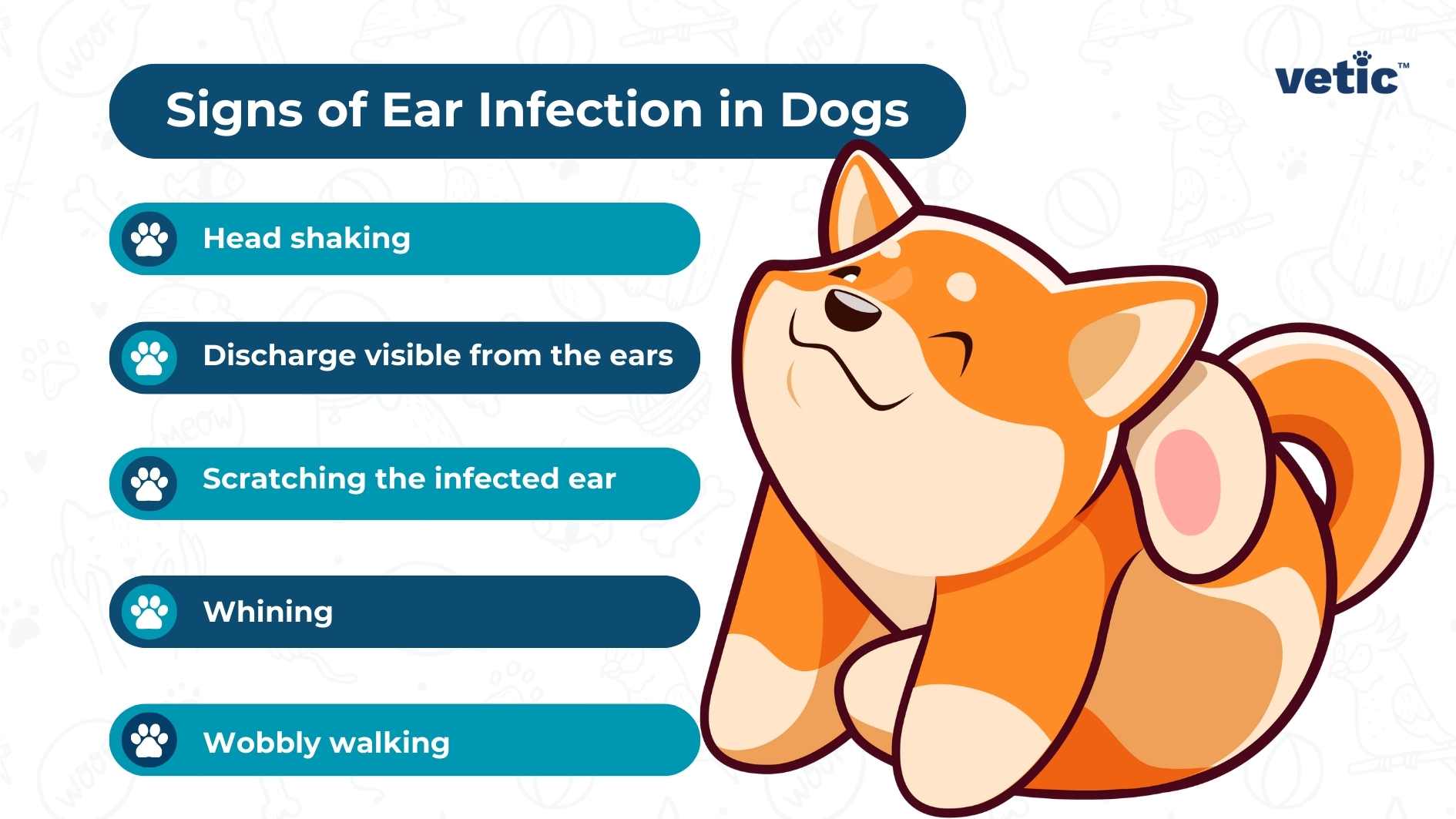
Signs may include:
- Frequent head shaking
- Scratching at the ear
- Redness
- Strong odor
- Dark, yellow, or bloody discharge
- Pain when the ear is touched
- Holding the head to one side
Ear infections often need an otoscope exam. A veterinarian may also examine a sample from the ear under a microscope. Treatment depends on the cause, so leftover medication from a past infection may not be safe or effective.
The Merck Veterinary Manual explains that ear infections can involve several parts of the ear and may become harder to treat when the underlying cause is not addressed.
Allergies
Allergies are a common cause of repeated ear problems in dogs. Food allergies and environmental allergies can inflame the skin and ear canals.
A dog with allergy-related ear disease may also have:
- Itchy paws
- Red skin
- Recurrent hot spots
- Face rubbing
- Skin infections
- Repeated ear infections
Treating only the ear may provide short-term relief while the allergy continues. Dogs with recurring ear problems need a plan that addresses both the ear and the possible trigger.
Ear mites
Ear mites are small parasites that can cause intense itching and dark, crumbly debris. They are more common in puppies, outdoor dogs, and homes with multiple pets, although any dog can be affected.
Do not diagnose ear mites from dark debris alone. Yeast, bacteria, wax, and other problems can look similar. A veterinarian can confirm the cause with an ear exam and microscopic testing.
Foreign objects
Grass seeds, plant material, dirt, or other objects can enter the ear canal. A foreign body often causes a sudden problem in one ear.
A dog may:
- Shake its head hard
- Scratch one ear
- Cry when the ear is touched
- Hold one ear down
- Develop discharge or bleeding
Do not probe deep into the ear. A foreign object can move farther inside or damage the eardrum.
Aural hematoma
An aural hematoma is a pocket of blood within the ear flap. It often develops after repeated scratching or head shaking, but it can also follow trauma or an ear infection.
The ear may look:
- Puffy
- Thick
- Warm
- Soft and fluid-filled
- Swollen on one side or across much of the flap
An aural hematoma is painful and can heal with permanent thickening or wrinkling if untreated. Veterinary treatment may include draining the pocket, controlling the inflammation, and treating the cause of the scratching.
The VCA Animal Hospitals guide to aural hematomas describes this condition as a blood-filled swelling of the ear flap, not simply a cosmetic change.
Injury or bite
A torn ear, bite wound, blunt injury, or insect sting may cause drooping. Check the outer ear only if your dog allows it safely. A small puncture can hide beneath fur or inside a skin fold.
Pain, bleeding, swelling, or a wound near the ear canal warrants veterinary care. Do not use hydrogen peroxide or harsh cleaners on an open wound unless a veterinarian tells you to do so.
Facial nerve problems
The facial nerve helps control the muscles around the ear, eyelids, nose, and lips. A problem with this nerve can cause one ear to droop.
Possible signs include:
- One-sided ear drooping
- A drooping lip
- Trouble blinking
- Food or water falling from the mouth
- A tilted appearance of the face
- Excessive drooling
Facial weakness may have several causes, including ear disease, trauma, inflammation, or a nerve disorder. It needs a veterinary examination.
Middle or inner ear disease
Disease deeper in the ear can affect balance and nearby nerves. A dog may show:
- Loss of balance
- Walking in circles
- Head tilt
- Vomiting
- Rapid eye movements
- Trouble standing
- Severe pain
These signs are more urgent than a simple change in ear position. Contact a veterinarian promptly, and seek emergency care if the dog cannot stand, has severe distress, or develops sudden neurological signs.
Less common medical conditions
Hormonal disease, tumors, immune problems, and other disorders can affect the skin or nerves around the ear. These causes are less common than infection, allergies, injury, or hematoma.
A persistent change without an obvious cause should still be assessed. A veterinarian may recommend an ear exam, skin testing, blood work, or imaging based on the findings.

One Drooping Ear vs. Both Drooping Ears
The pattern gives useful clues, but it cannot confirm a diagnosis.
| Ear pattern | More likely possibilities | What to check |
|---|---|---|
| Both ears have always drooped | Breed or genetics | Normal behavior, skin, and ear health |
| Both ears droop briefly | Relaxation, fear, fatigue, or stress | Whether the ears rise again |
| One ear suddenly droops | Pain, infection, foreign object, injury, or hematoma | Odor, discharge, swelling, and tenderness |
| One ear droops with a facial change | Facial nerve problem or deeper ear disease | Blinking, lip movement, balance |
| One ear is swollen and thick | Aural hematoma or injury | Warmth, fluid, pain, and head shaking |
| Drooping ears with balance problems | Middle or inner ear disease | Head tilt, circling, vomiting, and eye movement |
This table is a starting point, not a diagnosis. Ear disorders can look alike from the outside.

How to Check Your Dog’s Drooping Ear Safely
You can perform a gentle visual check, but do not force the ear open or insert anything into the canal.
- Watch your dog’s behavior. Note scratching, head shaking, whining, changes in appetite, or loss of balance.
- Compare both ears. Look for differences in position, color, size, warmth, and swelling.
- Inspect only the visible outer ear. Check for redness, cuts, crusts, discharge, or a strong smell.
- Touch the base of the ear lightly. Stop if your dog pulls away, cries, snaps, or shows clear pain.
- Record when the change began. Note whether it followed swimming, grooming, outdoor activity, or rough play.
- Take a clear photo if the appearance changes. A photo can help your veterinarian compare the ear over time.
- Call your veterinary clinic if the change persists or symptoms appear.
Do not use cotton swabs inside the ear canal. They can push debris deeper or injure the eardrum.
Do not use human ear drops, oils, alcohol, vinegar, or old prescription medicine without veterinary direction. Some products are unsafe when the eardrum is damaged, and the wrong medicine can worsen irritation.

When Should You Call a Veterinarian?
Call your veterinarian soon if a dog’s ear stays drooped, especially when the change is new. An exam is also needed for repeated ear infections or signs of pain.
Seek prompt veterinary care for:
- Sudden one-sided drooping
- Head shaking that does not stop
- Repeated scratching
- Ear odor or discharge
- Redness or heat
- Swelling of the ear flap
- Pain when touched
- Bleeding or an open wound
- A head tilt
- Loss of balance
- Vomiting
- Trouble blinking
- A drooping lip
- Unusual sleepiness or loss of appetite
Seek emergency veterinary care for severe balance problems, collapse, major trauma, uncontrolled bleeding, severe pain, or sudden facial weakness with other neurological signs.
A normal-looking dog with naturally floppy ears usually does not need treatment. The deciding factor is a change from that dog’s normal pattern and the presence of other symptoms.
How Veterinarians Diagnose the Cause
A veterinarian usually begins with the dog’s history and a physical exam. The clinician may ask when the ear changed, whether the dog swims, whether the problem has happened before, and whether allergies or skin disease are present.
The ear exam may include:
- Looking into the ear canal with an otoscope
- Checking the eardrum when visible
- Examining ear debris under a microscope
- Looking for mites, yeast, bacteria, swelling, or a foreign object
- Checking facial movement and balance
- Examining the skin, paws, and other ear
Some painful ears cannot be examined fully while the dog is awake. Sedation may be needed for a safe and complete exam, especially when a foreign object is suspected or the canal is very inflamed.
Treatment depends on the diagnosis. It may include prescribed ear medication, parasite control, allergy care, pain relief, treatment for a wound, or drainage of an aural hematoma. Antibiotics are not appropriate for every ear problem, and using them without a diagnosis can delay proper care.

Common Mistakes to Avoid
Several home treatments can make ear disease worse.
Do not assume every drooping ear is an infection
A drooping ear may be normal, but it may also result from an injury, hematoma, nerve problem, or foreign object. Symptoms guide the next step.
Do not clean a painful ear aggressively
Cleaning can increase pain and push debris deeper. It may also damage the ear if the eardrum is not intact.
Do not drain a swollen ear flap at home
An aural hematoma often returns unless the underlying cause is treated. Home drainage also creates a risk of infection and further injury.
Do not use leftover medication
A medication that helped a prior infection may not match the current cause. Some ear products can harm a dog with a damaged eardrum.
Do not ignore repeated ear problems
Recurring infections often point to allergies, moisture, ear anatomy, parasites, or another underlying condition. Repeated short courses of treatment may not solve the main problem.

Key Takeaways
- Dogs may have drooping ears because of breed, genetics, relaxation, fear, age, or illness.
- A sudden change is more concerning than ears that have always drooped.
- One drooping ear often deserves closer attention than two naturally floppy ears.
- Pain, odor, discharge, swelling, scratching, or head shaking can indicate ear disease.
- A swollen ear flap may be an aural hematoma.
- Head tilt, balance problems, facial weakness, or trouble blinking require prompt veterinary care.
- Do not put cotton swabs, human medicine, oils, or unapproved cleaners into a dog’s ear.
- A veterinarian should diagnose persistent, painful, or recurring ear changes.
Frequently Asked Questions
Why is my dog’s ear suddenly drooping?
A sudden drooping ear may result from an ear infection, injury, foreign object, aural hematoma, or facial nerve problem. Check for pain, odor, discharge, swelling, scratching, and head shaking. Contact a veterinarian if the change persists or any of these signs are present.
Why does my dog have one floppy ear and one upright ear?
One floppy ear can be normal, especially in puppies and mixed-breed dogs. If the ear has always looked this way and your dog has no discomfort, it may simply reflect genetics. A new one-sided change is more likely to need an exam.
Can allergies make a dog’s ears droop?
Yes. Allergies can inflame the skin and ear canals, leading to itching, pain, infection, and ear drooping. Dogs with allergies may also lick their paws, rub their faces, or develop repeated skin problems.
Should I clean my dog’s ears when they droop?
Only clean the ears if your veterinarian has recommended a specific product and method. Do not insert cotton swabs or liquid into a painful ear without guidance. A painful ear may need an exam before cleaning.
Will my dog’s ear go back up after an infection?
It may, but not always. Inflammation, swelling, pain, or nerve problems can temporarily change ear position. An aural hematoma or long-term tissue damage may leave the ear thickened or permanently altered. Treating the cause early gives the ear the best chance to recover.
Can teething cause a puppy’s ears to droop?
Ear position can change during puppy growth, and teething may occur at the same time. Teething should not be used to explain pain, discharge, odor, swelling, or persistent ear drooping. Those signs need veterinary attention.
Conclusion
Dogs’ ears droop for many reasons, and the normal answer depends on the individual dog. Breed shape, relaxed body language, and puppy growth are common explanations. A new or persistent change, especially in one ear, can point to infection, injury, swelling, or nerve disease.
Compare the ear with your dog’s usual appearance, look for related symptoms, and avoid putting unapproved products into the ear. When pain, discharge, swelling, odor, balance problems, or facial weakness appear, arrange veterinary care rather than waiting for the ear to correct itself.