Why Do Dogs Ears Go Back When Happy: Meaning Explained
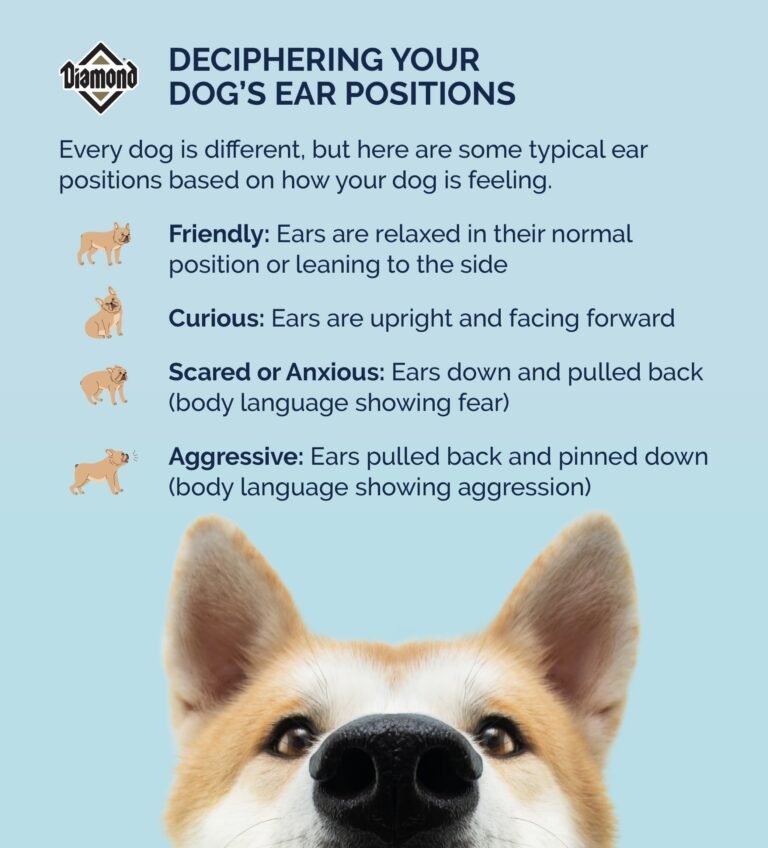
For dog owners in the United States, a dog with ears held back may look worried—but that is not always the case. Dogs can pull their ears back when they feel happy, calm, excited, friendly, or eager to please. The meaning depends on the dog’s full body language, including the eyes, mouth, tail, posture, and movement.
Ears alone do not give a reliable answer. A relaxed body and loose, wiggly movement usually point to friendly emotion. A stiff body, tucked tail, lip licking, hiding, or growling may point to fear, stress, pain, or conflict instead.

What does it mean when a dog’s ears go back?
A dog’s ears go back when the muscles around the ear change position in response to emotion or attention. The same ear position can occur during positive or negative experiences.
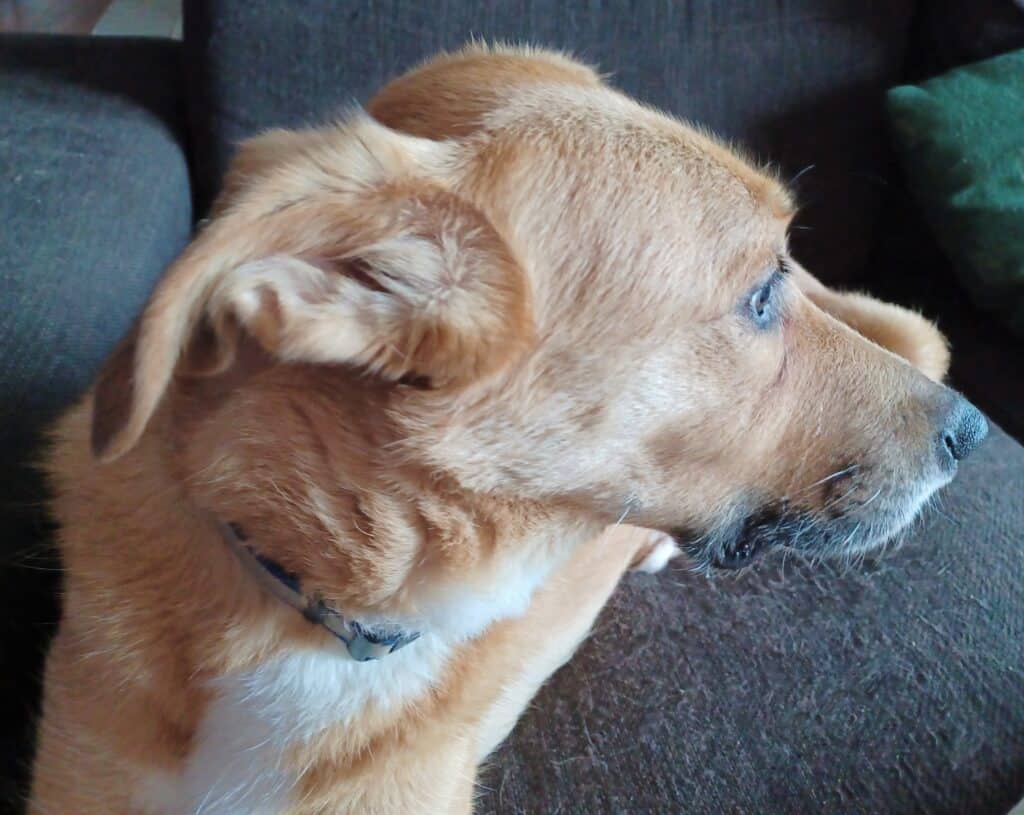
When a dog feels happy or friendly, pulled-back ears often show social softness. The dog may be trying to look nonthreatening while greeting a person or another dog. This is common when a dog welcomes its owner, receives praise, or asks for attention.
You may see these signs at the same time:
- A loose, wiggly body
- Soft eyes
- A relaxed or open mouth
- A gently wagging tail
- Normal breathing
- Leaning toward you
- Playful movement
- Seeking touch or staying close
This posture can look like the dog is saying, “I am friendly. I mean no harm.” It is often a polite social signal rather than a sign of sadness.
However, ears held back can also signal uncertainty. A dog may use the same movement when it feels nervous, submissive, overstimulated, or afraid. The rest of the body helps you tell the difference.

Why do happy dogs pin their ears back?
Happy dogs may pin their ears back because they are showing excitement while trying to appear friendly and nonthreatening. This often happens during greetings.
A dog may flatten or angle its ears when:
- You come home.
- You reach for a leash.
- You offer a favorite toy.
- You praise the dog.
- You kneel down to greet it.
- The dog expects food, play, or a walk.
Strong excitement can make the ears move back naturally. The dog may also lower its head, wag its whole body, or wiggle its rear end. These signs often support a happy interpretation.
Some dogs use an especially noticeable “submissive grin.” The lips pull back, but the body stays loose and the eyes remain soft. This is different from a tense snarl, which usually includes stiffness, a hard stare, and more serious warning signals.
A happy dog’s ear position may also reflect learned behavior. If a dog receives gentle attention when it lowers its head and pulls its ears back, it may repeat that posture during future greetings.

How can you tell if ears back means happiness or fear?
Look at the whole dog, not one body part. This is the safest and most useful way to read canine body language.
| Body language | More consistent with happiness or comfort | More consistent with fear, stress, or pain |
|---|---|---|
| Ears | Softly back or relaxed | Tightly pinned against the head |
| Body | Loose and wiggly | Stiff, crouched, or frozen |
| Tail | Loose wag or natural position | Tucked, very low, or held stiff |
| Eyes | Soft gaze and normal blinking | Wide eyes, hard stare, or showing eye whites |
| Mouth | Relaxed, open mouth | Tight lips, repeated lip licking, or panting without heat |
| Movement | Moves toward you or invites play | Hides, backs away, freezes, or tries to escape |
| Response | Accepts gentle contact | Avoids touch or reacts sharply |
A loose tail wag does not always mean happiness. Dogs can wag when excited, uncertain, or tense. The speed and stiffness of the wag matter, but even those signs should be read with the rest of the body.
A dog that approaches with ears back, a soft face, and a loose body is often comfortable. A dog that approaches with ears pinned, a rigid body, and a fixed stare may be warning you to stop.

Common situations when a dog’s ears go back
The setting can help explain the ear position. Here are common examples.
Greeting a familiar person
A dog may pull its ears back when its owner returns home. If the dog wiggles, brings a toy, leans in, or rolls onto its side, the posture is likely friendly excitement.
Give the dog a moment to settle. Avoid leaning over it or hugging it tightly, especially if the dog turns its head away.
Receiving praise
Some dogs draw their ears back when they hear a warm voice or receive petting. This can be a relaxed response to attention.
Watch for signs that the dog wants more contact. A dog that moves closer or nudges your hand may be asking for more. A dog that turns away, freezes, or licks its lips may need a break.
Meeting a new person
A dog may hold its ears back because it wants to appear polite but feels unsure. This is common when a stranger reaches toward the dog.
Ask the person to stand sideways, avoid staring, and let the dog choose whether to approach. Do not force a greeting. Choice helps reduce pressure.
During play
A playful dog may pull its ears back while running, chasing, or wrestling. A relaxed play bow, bouncing movement, and frequent pauses usually support a positive reading.
Play can become too intense. Stop or slow the interaction if one dog becomes stiff, repeatedly hides, pins its ears tightly, or tries to leave.
During training
Dogs may pull their ears back when they are eager to earn a treat or praise. They may also do it when they are confused or worried about making a mistake.
Use reward-based training and clear cues. Punishment can increase stress and make body language harder to interpret.
When ears back may signal fear, anxiety, or pain
Ears held back are more concerning when they appear with other stress or illness signs. Fear may cause a dog to lower its body, tuck its tail, avoid eye contact, tremble, pant, or hide.
Pain can also change ear position. A dog with an ear infection, injury, dental pain, neck pain, or another health problem may hold one ear differently or resist touch around the head.
Contact a veterinarian if the change is sudden, persistent, or paired with:
- Scratching or rubbing the ear
- Head shaking
- Redness, swelling, odor, or discharge
- Loss of balance
- Crying when touched
- Reduced appetite
- Unusual tiredness
- Aggression that is new or out of character
- Repeated hiding or withdrawal
Do not put drops, oils, or human medicine into a dog’s ear unless a veterinarian tells you to do so. Ear problems can have different causes, and the wrong treatment may worsen irritation or hide important signs.
Seek urgent veterinary care if the dog has severe pain, sudden loss of balance, collapse, trouble breathing, facial swelling, or a serious injury.

Breed and ear shape change what you see
Ear position is harder to read in some dogs because anatomy affects movement. Breeds with upright ears may show a small backward tilt. Dogs with floppy or heavy ears may not move them as clearly.
Ear cropping can also limit natural ear signals. A dog with cropped ears may communicate more through its eyes, mouth, head position, tail, and body posture.
Age matters too. Puppies are still learning social signals, so their movements may be exaggerated or inconsistent. Older dogs may move less due to stiffness, hearing loss, or medical conditions.
The best approach is to learn your individual dog’s normal behavior. Notice how the ears look when the dog is:
- Relaxing at home
- Greeting a trusted person
- Playing
- Eating
- Meeting someone new
- Visiting the veterinarian
- Feeling tired or unwell
A change from that normal pattern is often more useful than the ear position itself.

How to respond when your dog’s ears go back
Respond based on the dog’s complete body language. If the dog looks relaxed and comes toward you, use a calm voice and gentle interaction.
If the dog looks unsure:
- Stop reaching toward the head.
- Turn your body slightly to the side.
- Give the dog more space.
- Avoid staring or leaning over it.
- Let the dog choose whether to approach.
- Watch for the body to relax before continuing.
Do not punish a dog for showing fear. Ears back, lip licking, turning away, and freezing can be early warnings. If those signs are ignored, the dog may feel forced to use stronger signals, such as growling or snapping.
For repeated fear or handling problems, ask your veterinarian about a qualified behavior professional. In the United States, useful credentials may include a board-certified veterinary behaviorist through the American College of Veterinary Behaviorists or a certified behavior consultant with appropriate education and humane methods.

Can dogs hold their ears back because they are happy to see you?
Yes. Many dogs pull their ears back during a warm greeting. The posture is usually friendly when paired with a loose body, soft eyes, relaxed mouth, and movement toward you.
A dog that is happy to see you may also wag its whole body, bring a toy, vocalize in a high tone, or lean against your legs. Still, avoid assuming that every greeting is comfortable. Some dogs are excited and anxious at the same time.
Let the dog’s behavior guide you. Calm, voluntary contact is better than forced petting.
Are ears back always a sign of submission?
No. Ears back can show friendliness, uncertainty, fear, excitement, or discomfort. “Submission” is an incomplete label because it does not explain what the dog feels or what it may do next.
Use clearer descriptions, such as “the dog looks relaxed while greeting” or “the dog appears tense and is trying to create distance.” This approach helps you make safer choices.
Why does my dog put its ears back when I pet it?
Your dog may enjoy the attention, feel unsure about the way you touch it, or simply move its ears in response to your voice and body position.
Check whether the dog leans into your hand or moves away. Pause petting for a few seconds. If the dog comes back or nudges you, it may want more. If it turns away, stiffens, licks its lips, or leaves, respect the request for space.
Why is one ear back and one ear forward?
One ear back and one forward may mean the dog is tracking two sounds or trying to understand a situation. It can also happen because of ear shape or normal asymmetry.
If this is new and continues, especially with head shaking, odor, discharge, pain, or balance problems, arrange a veterinary exam.
Should I worry if my dog’s ears stay back?
Worry is more justified when the ears stay pinned for long periods or the dog also seems withdrawn, tense, painful, or fearful. A relaxed dog may hold its ears back during a short greeting and then return to its normal position.
Look for a lasting change in behavior. Sudden changes deserve more attention than a brief posture during play or affection.
The key takeaway
Dogs may put their ears back when happy because they are excited, friendly, or trying to appear gentle. The ear position alone does not tell you what the dog feels. Read it with the dog’s body, face, tail, movement, setting, and normal behavior.
When the dog is loose, soft, and moving toward you, the ears are likely part of a friendly signal. When the dog is stiff, withdrawn, painful, or trying to escape, give it space and consider veterinary or behavior support.
For further guidance, consult resources from the Merck Veterinary Manual, the American Veterinary Medical Association, and your dog’s veterinarian.