Why Don’t Dogs Like Their Tails Touched: Reasons And Tips
Many dogs dislike having their tails touched because the tail is sensitive, easy to injure, and linked to body language. A dog may pull away due to pain, fear, a past bad experience, or a simple wish for personal space. Some dogs enjoy gentle handling, but no dog should be forced to accept it.
Introduction
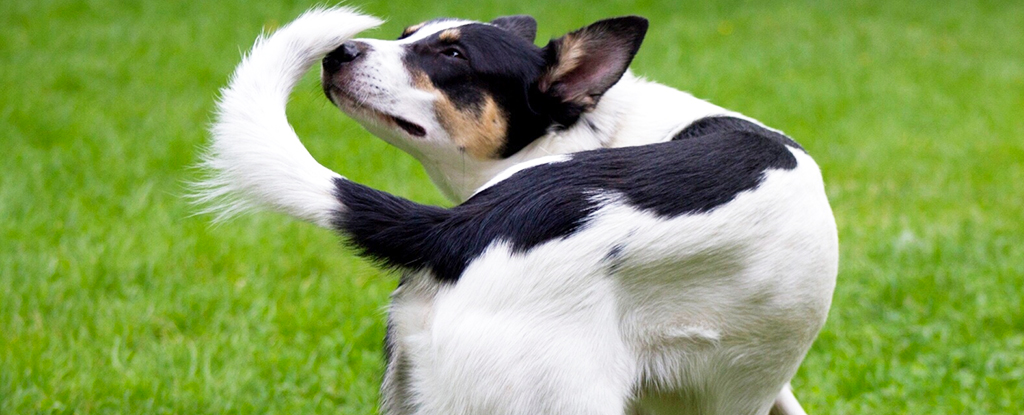
For families in the United States, tail handling often comes up during grooming, bathing, nail trims, veterinary visits, or play. A dog that snaps, hides, stiffens, or turns to look when someone reaches for the tail is sending a clear warning.
The reaction does not always mean the dog is aggressive. It may mean the dog feels pain, expects discomfort, or feels trapped. The safest response is to stop, give the dog space, and look for the reason rather than trying to “get the dog used to it” by force.

Why Dogs May Not Like Their Tails Touched
A dog may dislike tail contact for several different reasons. The most useful first step is to separate a new reaction from a long-standing preference.
1. The tail may hurt
Pain is one of the main reasons a dog suddenly avoids tail handling. Possible causes include:
- A sprain or strain
- A fracture or dislocation
- A bite wound or puncture
- A cut, hot spot, or skin infection
- Fleas, ticks, or allergic skin disease
- Swelling near the tail base
- Anal gland problems
- Nerve pain in the lower back or tail
- Arthritis or another joint problem
The tail contains bones, muscles, nerves, blood vessels, and skin. Damage in one small area can make even light contact painful.
A tail injury may not always look serious. A dog may still eat, walk, and play while avoiding touch. Dogs often hide pain, so a change in handling tolerance deserves attention.
2. The tail base is close to sensitive body parts
The tail joins the spine at the tail base. This area sits near the pelvis, lower back, hips, and anal glands. Touch near the base can be more uncomfortable than a light touch on the middle or tip.
Some dogs also dislike contact near the area under the tail. That region can feel vulnerable. Dogs may react because they are surprised, embarrassed, or worried about restraint.
3. The dog learned to expect discomfort
A dog may avoid tail touching after a bad event. For example, the dog may have:
- Had its tail stepped on
- Been pulled by the tail
- Experienced a painful grooming session
- Received a vaccine or medical treatment while restrained
- Been frightened by a child grabbing the tail
- Had mats pulled from the hair near the tail
Dogs can connect a hand reaching toward the tail with the earlier unpleasant event. The dog may then react before the touch even happens.
This is a learned association, not stubbornness. Punishment can make the association stronger.
4. The dog feels trapped
A dog may tolerate touch when free to move but resist it when held in place. Restraint removes the dog’s ability to leave. The tail may then become the focus of a larger fear response.
Signs of stress can include:
- Turning the head away
- Lip licking
– Yawning when not tired - Showing the whites of the eyes
- Lowering the body
- Tucking the tail
- Freezing
- Panting
- Growling or air snapping
A growl is useful information. It warns that the dog needs more distance. Do not punish the growl or continue touching.
5. The dog has a personal boundary
Not every reason needs to be medical. Some dogs simply do not enjoy tail handling. Dogs have different preferences, just as people do.
A dog may enjoy chest rubs but dislike paw, ear, mouth, or tail handling. Respecting that choice can prevent conflict. Handling should be trained only when there is a real need, such as grooming or veterinary care.
6. The dog’s breed, age, or tail shape may affect handling
A dog with a long, thin tail may have more movement and impact risk. A dog with a short or tightly curled tail may have less obvious tail motion but can still have pain or skin problems.
Older dogs may resist handling because of arthritis, reduced balance, hearing loss, or pain. Puppies may react because they have not learned that gentle handling is safe. Rescue dogs may have an unknown history.
These traits do not prove a problem. They only change what you should consider.
What a Dog’s Tail Reaction Can Tell You
A dog’s response gives clues, but it does not provide a diagnosis by itself. Look at the whole body and the timing of the reaction.
| What you notice | What it may mean | Safer response |
|---|---|---|
| The reaction began suddenly | Pain, injury, skin disease, or another health issue | Stop handling and contact a veterinarian |
| The dog avoids touch but stays relaxed | Preference or mild concern | Respect the boundary and use gradual training if needed |
| The dog stiffens, freezes, or growls | Fear, pain, or rising stress | Move away and do not force contact |
| The dog reacts only near the tail base | Pain, anal gland trouble, back pain, or sensitivity | Arrange a veterinary check |
| The dog reacts during grooming only | Mats, pulling, restraint, noise, or past discomfort | Stop the session and change the grooming plan |
| The dog tucks the tail and seems unwell | Fear, pain, illness, or weakness | Seek veterinary advice, especially if other signs appear |
| The dog wags while avoiding touch | Arousal or mixed emotion, not proof of happiness | Read the full body, not the wag alone |
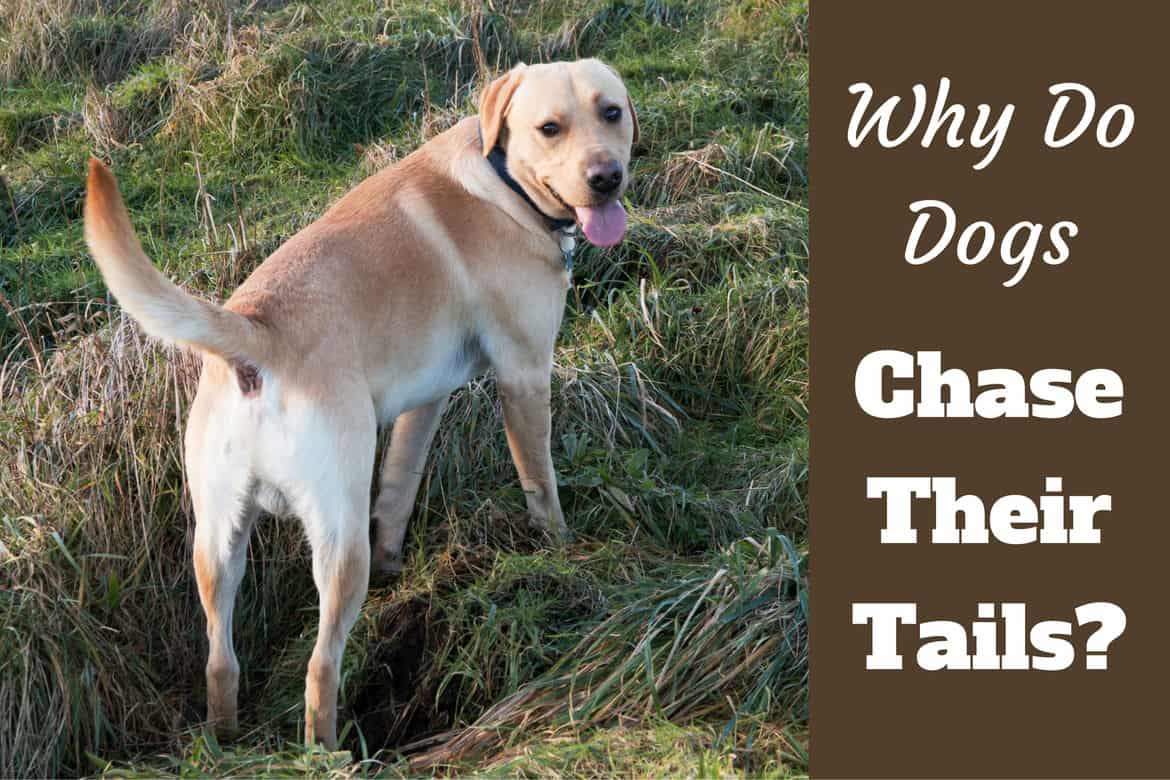
A wagging tail does not always mean a dog feels happy. Dogs may wag when excited, nervous, uncertain, or frustrated. A fast, stiff wag can signal high arousal. A low, slow wag may occur with fear or unease.
The tail is part of a dog’s communication system. Touching it can interfere with that system or make the dog feel exposed. Still, body language must be read in context.
How to Tell If Tail Touch Is a Medical Problem
A new or worsening reaction should be treated as a possible health issue until a veterinarian rules one out.
Watch for these signs
Contact a veterinary clinic if your dog has any of the following:
- A limp, bent, swollen, or bleeding tail
- A tail that hangs differently than usual
- Trouble lifting or moving the tail
- Hair loss, redness, scabs, odor, or discharge
- Repeated licking or chewing near the tail
- Scooting across the floor
- Trouble sitting or defecating
- Pain when rising, jumping, or climbing stairs
- Weakness in the back legs
- Loss of bladder or bowel control
- A sudden behavior change
- A bite, fall, door injury, or other known accident
Tail weakness combined with back-leg weakness or bladder problems can be urgent. These signs may involve nerves in the lower back or pelvis. Call a veterinarian promptly for guidance.
Do not diagnose the cause at home
A dog may resist because of a skin problem, anal gland issue, orthopedic injury, or nerve pain. These problems can look similar from the outside.
Do not squeeze the tail, straighten it, apply human pain medicine, or try to empty anal glands without veterinary instruction. Some human medicines are dangerous for dogs. A veterinarian can examine the tail, skin, spine, hips, and surrounding area safely.
How to Handle a Dog That Dislikes Tail Touching
The correct method depends on whether pain is possible.
If the reaction is new or painful
- Stop touching the tail.
- Move children and other pets away.
- Keep the dog calm and prevent jumping or rough play.
- Look from a distance for swelling, bleeding, or an unusual tail position.
- Call your veterinarian for advice.
- Use an emergency clinic if the dog has severe pain, heavy bleeding, major trauma, collapse, or problems walking or urinating.
Do not test the painful area again and again. Repeated checks can increase pain and make the dog more fearful.
If the dog is healthy but needs gentle handling
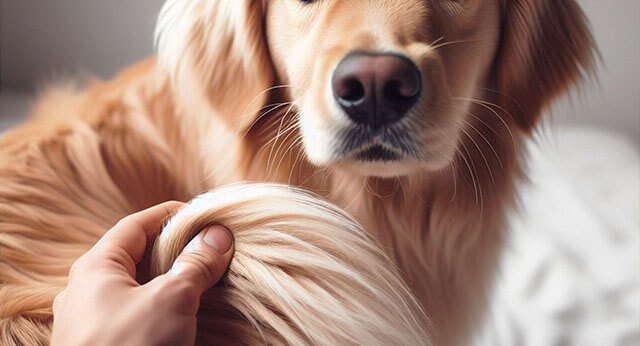
Gradual training can help, but only when the dog is relaxed and a veterinarian has ruled out pain.
- Choose a quiet room.
- Let the dog stand or sit freely.
- Touch a comfortable area, such as the chest or shoulder.
- Give a small, high-value treat.
- Repeat until the dog stays loose and calm.
- Move your hand slightly closer to the tail.
- Reward calm behavior before the dog shows stress.
- End the session while the dog is still comfortable.
- Repeat over several short sessions.
- Progress to brief contact near the tail only if the dog chooses to stay.
The goal is not to hold the tail. The goal is to create a safe pattern: gentle contact predicts good things, and the dog can move away.
Signs the training is working
You may see:
- Loose muscles
- Normal breathing
- A relaxed mouth
- The ability to take treats
- The dog choosing to remain nearby
- Less head turning or freezing
- Faster recovery after contact ends
If the dog stops eating treats, stiffens, hides, growls, or snaps, the step is too difficult. Move back to an easier step or stop for the day.
When to use professional help
Ask a veterinarian or qualified force-free behavior professional for help if:
- The dog has bitten or tried to bite
- The reaction is intense
- The dog cannot stay calm at a distance
- Grooming or medical care is necessary
- Fear is spreading to other types of handling
- Several weeks of gentle practice bring no improvement
A professional can design a handling plan and discuss safety tools, such as basket muzzle training, when appropriate. A muzzle should be introduced with rewards. It should not be used as punishment or as a reason to force painful handling.
Common Mistakes to Avoid
Forcing the dog to accept it
Holding a dog down or grabbing the tail may stop the movement for a moment, but it can increase fear. The dog may learn that warnings do not work and may skip the growl next time.
Punishing a growl
A growl is an early warning. Punishing it may remove the warning without removing the fear or pain. That can make a future bite more likely.
Assuming the dog is being stubborn
Avoidance often has a cause. Pain, fear, confusion, and past experiences can all look like stubbornness.
Treating tail wagging as consent
A wagging tail does not mean “touch me.” Watch posture, facial tension, movement, and the dog’s choice to approach or leave.
Allowing children to handle the tail
Children may not notice small signs of stress. Teach them to pet the dog’s shoulder or chest only when an adult is present. Never allow pulling, chasing, hugging, riding, or grabbing.
Using food to hide pain
Treats can help with calm training, but they do not solve an injury. A hungry or highly motivated dog may accept contact even when it hurts.
Rushing grooming
Mats near the tail can pull the skin. Clippers, dryers, and restraint can also frighten a dog. Tell the groomer about the reaction before the appointment. A veterinarian may be needed if the coat is tightly matted or the dog cannot be handled safely.

Key Takeaways
- Dogs may dislike tail touching because of pain, fear, past handling, restraint, or personal preference.
- A sudden change is more concerning than a long-standing dislike.
- Tail pain can come from injury, skin disease, anal gland problems, joint trouble, or nerve issues.
- Never pull, squeeze, bend, or repeatedly test a painful tail.
- A growl is a warning, not bad behavior.
- Gentle handling training should begin only after pain is ruled out.
- A dog’s consent matters: if the dog moves away, stop.
Frequently Asked Questions
Is it normal for a dog to hate having its tail touched?
It can be normal for an individual dog to dislike tail contact, especially if the dog remains relaxed and has always behaved this way. However, a new, intense, or worsening reaction may signal pain or illness and should be checked by a veterinarian.
Why does my dog let me touch the tail but not other people?
Your dog may trust you more, recognize your touch, or feel safer with you. The dog may also have learned that other people handle the tail more roughly. Ask visitors not to reach for the tail and use gradual, reward-based practice only when the dog is calm.
Why does my dog bite when I touch its tail?
Biting may be a response to pain, fear, or feeling trapped. Stop touching the tail and keep people away from the dog. If the behavior is sudden, arrange a veterinary examination. If there is a bite risk, get help from a qualified behavior professional.
Can a tail injury heal on its own?
Some minor injuries may improve, but it is difficult to judge the severity at home. Fractures, dislocations, infected wounds, and nerve injuries may need treatment. A tail that stays limp, looks unusual, or causes pain should be assessed by a veterinarian.
Should I train my puppy to accept tail handling?
You can teach brief, gentle handling as part of general care. Start with areas the puppy enjoys, use treats, and stop before the puppy becomes worried. Do not pull or hold the tail. The aim is calm cooperation, not forced tolerance.
Conclusion
Dogs do not avoid tail touching for one universal reason. The reaction may reflect pain, fear, a bad memory, restraint, or a simple boundary. Treat sudden sensitivity as a possible medical concern, and treat long-standing sensitivity with respect.
Stop when the dog shows stress. Arrange veterinary care when pain or injury is possible. When handling is truly needed, use short, gentle, reward-based steps that allow the dog to feel safe and retain the choice to move away.
Evidence and Further Reading
This guide is based on veterinary behavior and medical guidance from: