Why Do Dogs Eat Tree Bark: Causes And Safety Tips
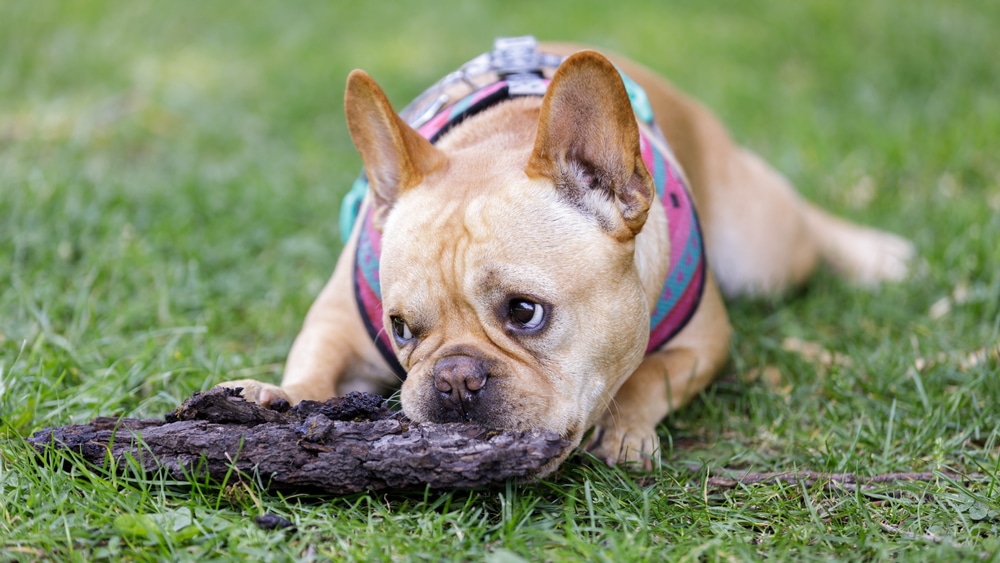
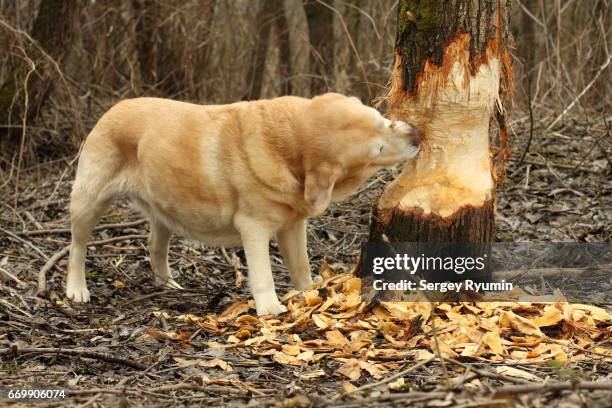
Dogs eat tree bark for several reasons, including boredom, curiosity, teething, stress, hunger, or a condition called pica, which causes repeated eating of non-food items. A small bite may pass without harm, but bark can splinter, contain toxic substances, carry chemicals, or cause choking and intestinal blockage.
Across the United States, dogs may encounter bark in yards, parks, hiking areas, and around playgrounds. The risk depends on the tree species, the amount eaten, whether the bark was treated, and your dog’s size and health.

Common Reasons Dogs Eat Tree Bark
Most dogs that chew bark are not trying to treat a disease. They are often exploring with their mouths. Still, repeated bark eating can point to a behavior or health issue that needs attention.
Curiosity and normal exploration
Dogs use their mouths to inspect new objects. Bark has a strong smell, rough texture, and interesting taste. These traits can attract puppies and curious adult dogs.
A dog may chew bark during a walk because the tree carries scents from other animals. In a yard, the bark may also hold food smells, sap, insects, or moisture.
Boredom and lack of enrichment
Bored dogs often create their own activities. Bark chewing may become a way to pass time when a dog lacks exercise, play, training, or safe chewing options.
This is more likely when the behavior happens:
- When the dog is alone
- In a kennel or fenced yard
- After a change in daily routine
- During long periods without play
- Near trees that the dog has chewed before
Bark can become a habit because chewing feels rewarding. The act may relieve tension and provide sensory stimulation.
Teething in puppies
Puppies often chew more while their adult teeth develop. Chewing can soothe sore gums and help them learn about their surroundings.
Tree bark is not a safe teething toy. It may break into sharp pieces, injure the mouth, or cause a blockage if swallowed. Offer puppy-safe chew toys instead, and supervise use.
Stress, anxiety, or compulsive behavior
Some dogs chew wood when they feel nervous or frustrated. Common triggers include:
- Separation from a person
- Loud storms or fireworks
- Moving to a new home
- A new baby or pet
- Conflict with another household animal
- Limited access to the home or family
If a dog repeatedly seeks bark, wood, rocks, fabric, or plastic, the behavior may be more than simple curiosity. A veterinarian can help rule out medical causes and a qualified behavior professional can address anxiety or compulsive habits.
Hunger or an unbalanced diet
Hunger can make dogs investigate unusual objects. However, bark eating does not prove that a dog lacks a certain vitamin or mineral.
Dogs that eat a complete and balanced commercial diet usually do not need extra minerals unless a veterinarian finds a specific deficiency. Do not add supplements or change the diet based only on bark chewing.
Pica
Pica is the repeated urge to eat items that are not food. A dog with pica may swallow bark, dirt, rocks, paper, cloth, plastic, or other objects.
Pica can occur with behavioral stress, but it can also be linked with medical problems such as gastrointestinal disease, anemia, parasites, or other conditions. A veterinarian should assess persistent or dangerous non-food eating.

Is Eating Tree Bark Dangerous for Dogs?
Eating tree bark can be dangerous because the main risk is not just toxicity. The bark may splinter, block the digestive tract, irritate the stomach, or carry chemicals.
Choking and intestinal blockage
Large or sharp pieces can lodge in the throat. Swallowed pieces may also become stuck in the stomach or intestines.
A blockage is an emergency. Watch for:
- Repeated vomiting
- Loss of appetite
- Belly pain or swelling
- Weakness or unusual sleepiness
- Straining to pass stool
- Little or no stool
- Restlessness or a hunched posture
Do not wait for every sign to appear. A dog with a known history of swallowing a large piece should receive prompt veterinary advice.
Mouth and throat injuries
Dry bark can have sharp edges. Splinters may cut the gums, tongue, throat, or stomach lining. Signs may include drooling, pawing at the mouth, blood in the saliva, trouble swallowing, or refusal to eat.
Do not reach deep into a dog’s throat. A frightened dog may bite, and pushing an object farther down can worsen the injury.
Toxic tree species
Some plants and trees can harm dogs if enough material is eaten. The risk varies by species and by the part of the plant.
Do not assume that “natural” means safe. Identify the tree before deciding that the bark is harmless. The ASPCA Animal Poison Control plant database is a useful starting point, but it does not replace veterinary advice.
If you suspect poisoning, contact a veterinarian or the ASPCA Animal Poison Control Center at 888-426-4435 in the United States. A consultation fee may apply.
Pesticides, herbicides, and other chemicals
Bark can carry lawn chemicals, insecticides, fungicides, paint, sealants, or other treatments. Mulch may also contain added substances.
Cocoa mulch deserves special caution because it can contain theobromine and caffeine, the same types of stimulants found in chocolate. These substances can be dangerous to dogs.
Contact a veterinarian promptly if your dog ate treated bark, unknown mulch, or material from a recently sprayed area. Keep the product label or take a photo of it if possible.
Stomach upset
Even non-toxic bark may irritate the stomach. A dog may develop vomiting, diarrhea, gas, or reduced appetite after eating it.
Mild stomach upset may pass, but worsening signs need veterinary care. Do not give human stomach medicines unless a veterinarian tells you to do so.

Which Types of Bark Are Most Risky?
The safest approach is to stop a dog from eating any unknown bark. Risk rises when the material comes from an unknown tree, treated landscape material, or a damaged tree with mold or decay.
| Bark or wood source | Main concern |
|---|---|
| Unknown tree in a park or yard | Species and toxicity cannot be confirmed |
| Treated or painted wood | Chemical exposure |
| Cocoa mulch | Theobromine and caffeine exposure |
| Dry, brittle bark | Splinters and choking |
| Large chunks of wood | Stomach or intestinal blockage |
| Moldy or rotting wood | Irritation or harmful mold byproducts |
| Branches with sharp ends | Mouth, throat, or intestinal injury |
| Bark covered in sap or residue | Stomach irritation or chemical exposure |
A tree identification app may help, but it can make mistakes. Use a local extension service, certified arborist, or veterinarian when identification affects a medical decision.
The FDA’s animal and veterinary resources also provide information about pet safety and animal poison concerns. For urgent symptoms, direct veterinary care is more important than online identification.

What to Do If Your Dog Eats Tree Bark
Your response should depend on how much your dog ate, what the bark came from, and whether symptoms are present.
1. Move your dog away from the tree
Calmly call your dog away. Remove loose bark from the area if you can do so safely. Do not chase, yell, or punish your dog. Punishment may increase fear and can make the dog swallow the object quickly.
2. Check what was eaten
Try to identify:
- The tree or plant
- Whether the bark was treated
- The estimated amount
- The time of ingestion
- The size and sharpness of the pieces
- Your dog’s weight and age
Take a photo of the tree, bark, mulch, or product label. Save a sample in a bag if it is safe to do so.
3. Call a veterinarian when the risk is unclear
Call your regular veterinarian for advice if your dog swallowed more than a small amount, ate a large chunk, or consumed bark from an unknown or treated source.
Call an emergency veterinary hospital for serious signs such as trouble breathing, repeated vomiting, severe pain, collapse, tremors, seizures, or marked weakness.
4. Do not induce vomiting unless instructed
Do not use hydrogen peroxide, salt, oil, milk, or other home remedies unless a veterinarian specifically directs you. Vomiting sharp wood or irritating chemicals can cause more injury.
5. Monitor closely
If a veterinarian says home monitoring is reasonable, watch your dog for changes in appetite, energy, stool, vomiting, and comfort. Follow the veterinarian’s instructions about food, water, and follow-up.
How to Stop a Dog From Eating Tree Bark
Stopping bark eating works best when you manage access and replace the behavior with a safe activity.
Remove access first
Use a leash in areas with tempting trees. Block access to damaged trees and remove loose bark from the yard. A temporary fence may help while you work on training.
If the tree is treated, toxic, unstable, or heavily damaged, keep your dog away from it permanently.
Add safe chewing choices
Offer durable, size-appropriate toys made for dogs. Choose toys that do not break into sharp pieces and inspect them often. Replace damaged toys.
Food puzzles, stuffed toys, and supervised chewing can make the alternative more rewarding than bark. Avoid cooked bones, which can splinter, and avoid very hard objects that may fracture teeth.
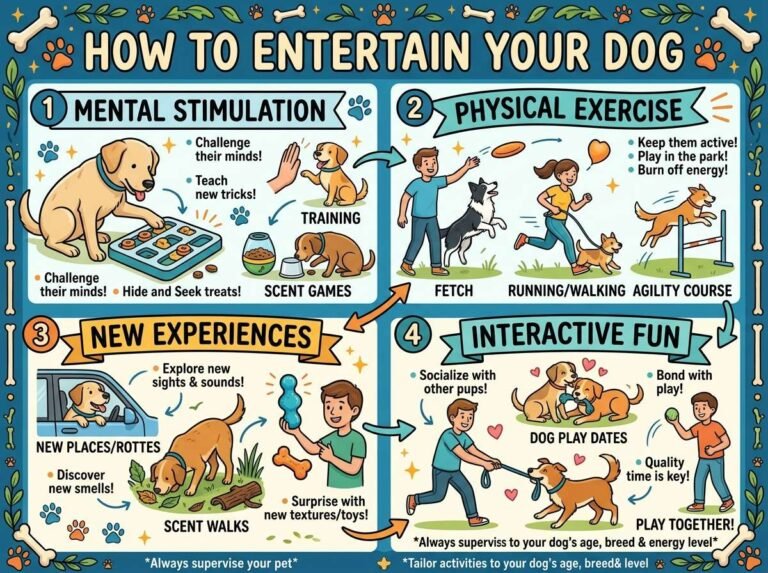
Increase daily enrichment
A dog may need more than a longer walk. Try a mix of:
- Sniff walks
- Short training sessions
- Fetch or tug with clear rules
- Food puzzles
- Scent games
- Supervised play with suitable dogs
- Calm rest after exercise
Use gradual changes. A dog that is anxious may become more distressed if activity increases too fast.
Teach “leave it”
Practice indoors first:
- Place a low-value treat in a closed hand.
- Wait for your dog to stop sniffing or pawing.
- Say “yes” or use another reward marker.
- Give a better treat from your other hand.
- Repeat until your dog turns away when asked.
- Practice with safe objects on the floor.
- Use the cue outdoors before your dog reaches the tree.
Reward the choice to move away. Do not pry bark from your dog’s mouth unless the object is causing immediate danger.
Address anxiety or compulsive chewing
If bark eating occurs with pacing, whining, destruction, escape attempts, or panic when alone, ask your veterinarian about behavior support. A veterinary behaviorist can help build a plan and decide whether medical treatment is appropriate.
When Should You Call a Veterinarian?
Call a veterinarian the same day if your dog swallowed a large amount of bark, ate treated mulch, or consumed material from an unknown tree. Contact a veterinarian promptly if your dog is a puppy, senior, very small, or has a history of digestive disease.
Seek emergency care for:
- Trouble breathing or swallowing
- Choking
- Repeated vomiting
- Blood in vomit or stool
- Severe belly pain
- A swollen or tight abdomen
- Collapse or extreme weakness
- Tremors or seizures
- Pale gums
- Inability to keep water down
A dog that eats bark once and remains bright, comfortable, and normal may only need close observation. A dog that repeatedly eats bark needs a fuller assessment, even when no emergency signs are present.

Bark Eating Versus Other Wood Chewing
Not all chewing has the same meaning.
| Behavior | More likely explanation | Main response |
|---|---|---|
| Brief chewing, no swallowing | Exploration or play | Redirect and offer a safe toy |
| Puppy chewing many objects | Teething and learning | Puppy-safe chews and supervision |
| Bark eating when alone | Boredom or separation distress | Enrichment and behavior assessment |
| Repeated swallowing of non-food items | Pica or medical issue | Veterinary evaluation |
| Sudden new chewing in an adult dog | Stress, illness, or routine change | Check for triggers and call a vet if persistent |
| Chewing treated wood or mulch | Possible chemical exposure | Contact a veterinarian or poison service |
The pattern matters. Note when the behavior starts, where it happens, what your dog eats, and what occurs before and after. This record can help your veterinarian identify a cause.
Frequently Asked Questions
Is it normal for dogs to chew tree bark?
Occasional chewing can be normal exploration, especially in puppies. Swallowing bark, chewing it often, or eating other non-food items is not something to ignore.
Can tree bark make a dog sick?
Yes. Bark can cause mouth injuries, stomach upset, intestinal blockage, or poisoning if it comes from a toxic or chemically treated source. The risk depends on the tree, amount, and size of the pieces.
Should I make my dog vomit after eating bark?
No. Do not induce vomiting unless a veterinarian gives you specific instructions. Sharp bark and chemical residues can cause more damage during vomiting.
Can a vitamin deficiency cause bark eating?
It can be one possible medical factor, but bark eating alone does not prove a deficiency. A veterinarian should examine the dog before you add supplements or change the diet.
How can I tell if bark eating is pica?
Pica involves repeated eating of non-food items. If your dog regularly swallows bark, rocks, cloth, plastic, dirt, or other objects, speak with a veterinarian about medical and behavioral causes.
Is mulch safer than tree bark?
Not always. Some mulch contains harmful substances, and loose pieces can still cause choking or blockage. Cocoa mulch is a known concern because it may contain theobromine and caffeine.
The Bottom Line
Dogs eat tree bark because it is interesting to chew, helps satisfy a need for stimulation, or may reflect stress, hunger, teething, pica, or another health issue. A small bite may cause no harm, but unknown, treated, toxic, sharp, or large pieces can be dangerous.
Keep your dog away from unsafe trees and mulch, provide better chewing options, and teach a calm “leave it” cue. Call a veterinarian when the amount or source is unknown, symptoms appear, or bark eating becomes a repeated habit.