You can help your dog by meeting basic needs, watching for changes, providing safe training, supporting good health, and getting veterinary care when problems go beyond home care.
Across the United States, millions of families share their homes with dogs and rely on daily care routines to keep them healthy and comfortable. Learning how to help my dog starts with understanding that dogs need more than food and shelter. They need proper exercise, mental activity, safety, routine, and attention to changes in their body or behavior.
A helpful approach is to look at your dog as a whole. A sudden behavior change may come from stress, pain, boredom, illness, or an unmet need. By learning basic care steps and knowing when professional help is needed, dog owners can make better choices and improve their companion’s quality of life.
Source: artofit.org
Understand What Your Dog Needs Every Day
The first step in helping your dog is meeting daily needs consistently. Dogs depend on routines because predictable care helps them feel safe. A balanced routine usually includes proper nutrition, clean water, exercise, rest, grooming, and social interaction.
Every dog is different. A young active dog may need more physical activity than an older dog, while a senior dog may need easier walks and more comfort support. Breed, size, health history, and personality all affect what type of care works best.
Source: www.pinterest.com
Nutrition
Feed a complete and balanced diet appropriate for your dog’s age, size, and health needs. Avoid sudden food changes because they may upset digestion.
Fresh water
Provide clean water every day and monitor drinking habits because unusual increases or decreases may signal a problem.
Safe environment
Remove hazards such as toxic foods, unsafe objects, and chemicals that your dog could reach.
Create A Comfortable Home Routine
Dogs often do better when meals, walks, sleep, and training happen around regular times. A routine does not need to be strict, but consistency can reduce stress and make it easier to notice unusual changes.
Provide a resting area
Give your dog a quiet place where they can sleep and relax without being disturbed.
Help Your Dog Stay Healthy And Comfortable
Preventive care is one of the most effective ways to help your dog. Regular veterinary visits allow problems to be found earlier, while daily observation helps owners notice changes between appointments.
A healthy dog usually has normal energy for their age, a stable appetite, comfortable movement, and normal bathroom habits. Small changes can matter, especially when they appear suddenly or continue over time.
Source: peoplelovinganimals.com
Schedule veterinary care
Follow veterinary recommendations for checkups, vaccines, parasite prevention, dental care, and health screenings.
Monitor body changes
Watch for weight changes, skin problems, unusual lumps, coughing, vomiting, diarrhea, or changes in behavior.
Support dental health
Dental care helps reduce plaque buildup and supports overall comfort.
Know When Your Dog Needs Professional Help
Some problems cannot be safely solved at home. Contact a veterinarian if your dog has trouble breathing, severe injury, sudden weakness, poisoning concerns, repeated vomiting, uncontrolled bleeding, or major behavior changes that may be linked to pain.
Emergency signs
Seek urgent veterinary help for serious symptoms such as collapse, difficulty breathing, seizures, or possible poisoning.
Help Your Dog With Behavior And Training Problems
Many dog behavior problems improve when owners identify the reason behind the behavior. Barking, chewing, jumping, hiding, or accidents inside the home may happen because of stress, boredom, lack of training, fear, or medical issues.
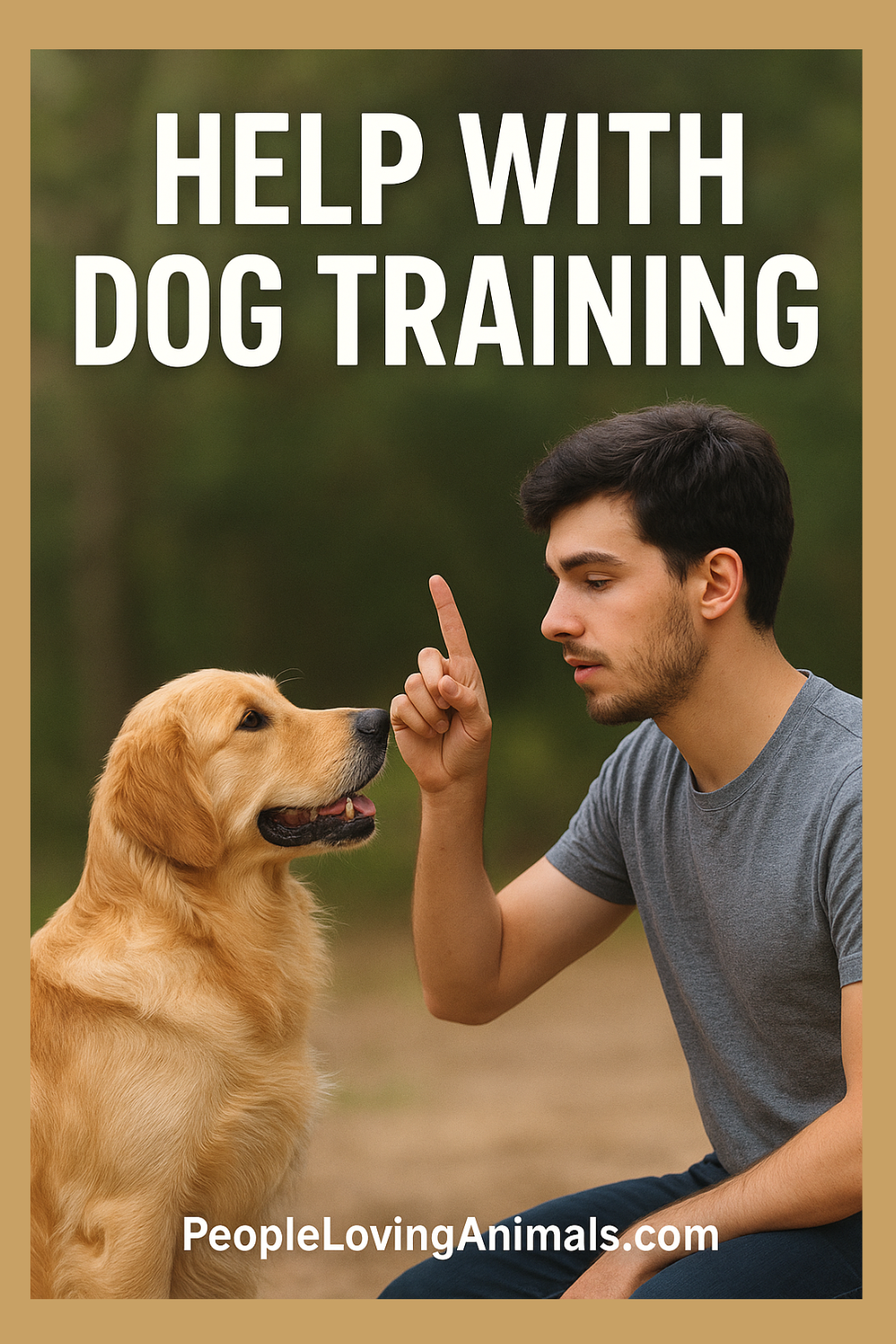
Positive reinforcement training focuses on rewarding behaviors you want to see. This approach helps dogs understand expectations without relying on fear or punishment.
Source: www.pinterest.com
Use clear commands
Use simple words and consistent signals so your dog can understand what you want.
Reward good behavior
Praise, treats, or play can reinforce behaviors such as calm greetings or responding to commands.
Provide mental stimulation
Puzzle toys, training games, and new experiences can help prevent boredom.
Helping A Dog With Anxiety
Dogs may show anxiety through pacing, shaking, excessive barking, destructive behavior, or attempts to escape. Helping an anxious dog usually requires patience and identifying triggers.
Create a safe space, keep routines predictable, and avoid forcing your dog into situations that create fear. Severe anxiety may require guidance from a veterinarian or qualified behavior professional.
Reduce stress triggers
Identify sounds, places, or situations that create fear and introduce changes slowly when possible.
Help Your Dog Through Exercise And Enrichment
Exercise supports physical health and gives dogs an outlet for natural behaviors. The right amount depends on age, breed, health, and fitness level. Too little activity can contribute to boredom, while too much activity may strain some dogs.
Mental enrichment is also important. Exploring new smells, learning commands, and interacting with owners can provide valuable stimulation even when long walks are not possible.
Source: gravityblankets.com
Daily walks
Walks provide movement, mental stimulation, and opportunities for safe exploration.
Play sessions
Games such as fetch or gentle tug can strengthen the bond between dogs and owners.
Age-appropriate activity
Adjust exercise based on your dog’s abilities and any health limitations.
Helping Older Or Less Active Dogs
Older dogs may need shorter activities, softer surfaces, and more recovery time. Comfort changes such as supportive bedding and easier access to food and water may improve daily life.
Watch mobility
Difficulty standing, climbing stairs, or walking should be discussed with a veterinarian.
Avoid Common Mistakes When Trying To Help Your Dog
Good intentions can sometimes lead to mistakes. Owners may focus only on stopping a behavior without understanding why it happens. A better approach is to look for the cause and choose a safe solution.
Home remedies found online may not always be safe. Some human foods, medications, and treatments can harm dogs, so check with a veterinary professional before trying unfamiliar solutions.
Source: myanimals.com
Ignoring sudden changes
New symptoms or behavior changes may need attention instead of waiting for them to disappear.
Using punishment alone
Punishment can increase fear and may not teach the behavior you want.
Skipping preventive care
Regular health care can help identify problems before they become more serious.
A Simple Check When Something Seems Wrong
When your dog acts differently, check basic needs first: food, water, comfort, environment, recent changes, and possible signs of illness. If the problem continues or seems serious, seek professional advice.
Observe before reacting
Careful observation helps identify patterns and possible causes.
Frequently Asked Questions
Q
How can I help my dog feel happier?
You can help your dog feel happier by providing attention, exercise, mental stimulation, a predictable routine, and positive interactions. Dogs often benefit from spending quality time with their owners.
Q
How do I know if my dog needs help?
Changes in appetite, energy, movement, bathroom habits, or behavior may show that your dog needs attention. Persistent or severe changes should be discussed with a veterinarian.
Q
How can I help my dog with anxiety?
Reduce stress triggers, create a safe environment, maintain routines, and use gradual training methods. Dogs with severe anxiety may need professional support.
Q
Can I help my dog without going to a vet?
Some daily care issues can be improved at home, but medical problems require veterinary evaluation. Avoid delaying care when symptoms are serious or unusual.
Q
What is the best way to help my dog live a healthy life?
The best approach combines balanced nutrition, regular veterinary care, exercise, training, safety, and a strong relationship built through daily interaction.
✦ Wrapping Up
Conclusion
Knowing how to help my dog means paying attention to both everyday needs and small changes that may signal a larger issue. Dogs depend on their owners for care, safety, comfort, and guidance.
The most effective support comes from consistent routines, positive training, healthy habits, and timely professional help when needed. Small daily actions can create a stronger bond and a better life for your dog.
💡 Key Takeaway
Start today by checking your dog’s basic needs, observing their behavior, and creating one simple improvement that supports their health and happiness.