Why Do People Love Dogs? The Science and Psychology Behind Our Strong Bond
**People love dogs because they provide loyal companionship, affection, social connection, and emotional comfort.**
Why do people love dogs? The answer is more than a wagging tail or a cute face. Dogs have lived beside humans for thousands of years, and this long relationship has shaped both species. Today, many people see dogs as family members, friends, helpers, and trusted companions.
In the United States, dogs often share the daily rhythm of family life. They may greet people after work, join morning walks, sit beside them at home, or play with children in the yard. These small moments can build a deep bond over time.
The appeal of dogs also comes from the way they respond to people. A dog can learn our routines, react to our voices, seek our attention, and show clear signs of excitement when we return. This mix of affection, trust, habit, and shared life helps explain why so many people feel strongly connected to dogs.

Why Do People Love Dogs So Much?
Why do people love dogs so deeply? One key reason is that dogs can meet several human needs at once. They can offer company, affection, play, routine, and social contact in one relationship.
Dogs also tend to give people clear social signals. A loose body, wagging tail, soft eyes, or playful bow can be easy to read. When a dog seeks contact or follows a person from room to room, the relationship can feel personal and rewarding.
The bond grows through repeated daily contact. Feeding, walking, training, playing, and resting together create shared experiences. Over time, these simple acts can turn a pet into an important part of a person’s life.
That is why the answer to why do people love dogs is not based on one cause. It is the result of many small rewards that happen again and again.
- ✦ Companionship
Dogs can make people feel less alone by sharing everyday life and routines.
- ✦ Affection
Many dogs enjoy touch, closeness, play, and positive attention from people.
- ✦ Trust
A stable relationship can create a strong sense of safety and mutual trust.
- ✦ Joy
Play, greetings, walks, and funny dog behavior can add fun to ordinary days.
Dogs Give People a Strong Sense of Companionship
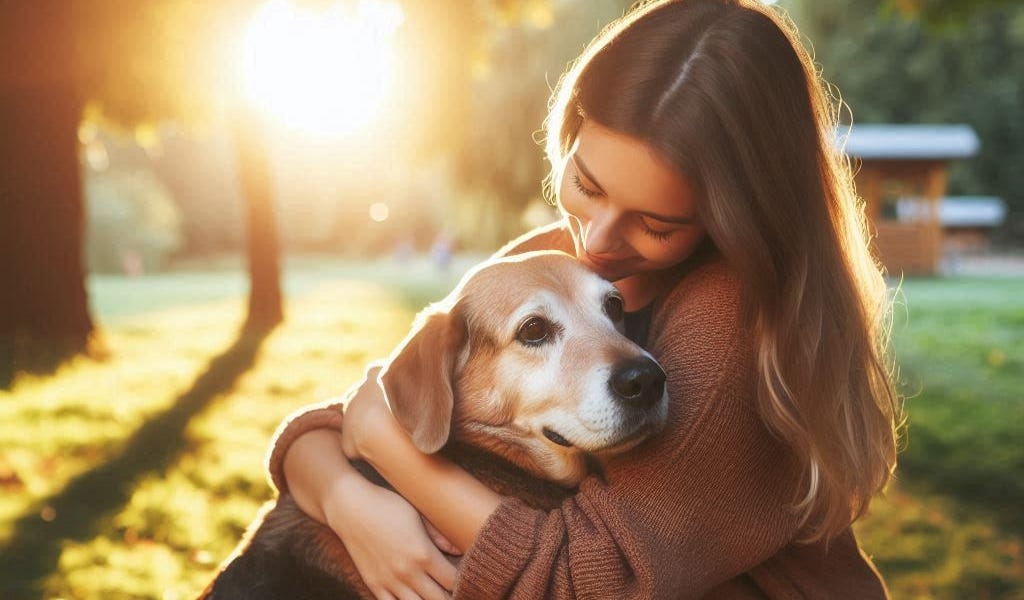
Companionship is one of the clearest answers to why do people love dogs. A dog can be present during quiet moments as well as busy ones. Even simple activities, such as watching TV or making breakfast, can feel different when a dog is nearby.
Dogs do not need complex plans to take part in family life. They can sit with us, follow us around the house, or wait near the door. This steady presence can make a home feel more active and connected.
For some people, a dog also adds structure to the day. Regular meals, walks, play, and care create a pattern that can make daily life feel more purposeful.
- ✦ Daily presence
Dogs often share many ordinary parts of the day with their owners.
- ✦ Shared routines
Meals, walks, training, and bedtime can become familiar parts of life together.
- ✦ A sense of home
A dog can become part of the emotional rhythm of a household.
Why Dog Companionship Can Feel Different
Human friendships often depend on words and shared interests. Dogs communicate in other ways. Their attention, body language, and behavior can create a simple form of connection that many people find comforting.
- ✦ Less pressure
People can spend quiet time with a dog without needing to talk or explain themselves.
- ✦ Constant interaction
Dogs can provide small moments of contact throughout the day.
Dogs Show Affection in Ways People Understand
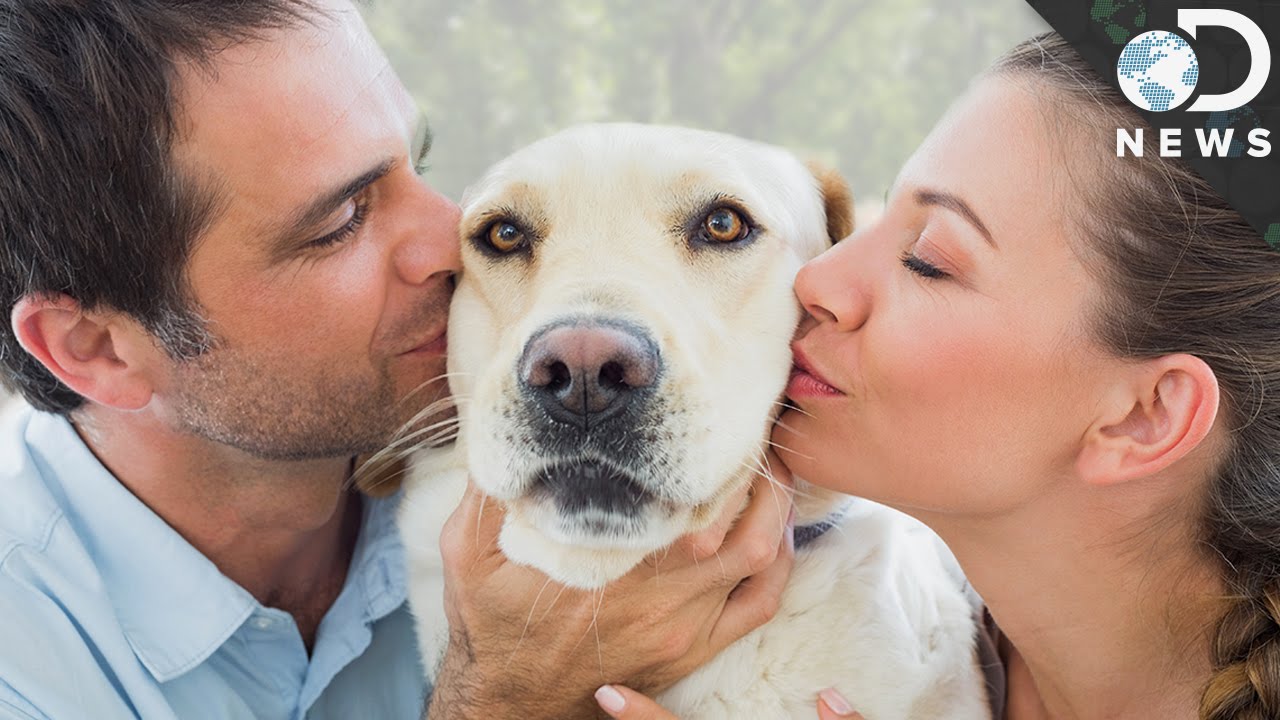
Another reason why do people love dogs is their ability to show affection in visible ways. A dog may lean against a person, bring a toy, rest nearby, or greet someone with excitement. These actions can make people feel wanted and valued.
Dogs also learn human habits. They may recognize a person’s voice, footsteps, schedule, or favorite activities. When a dog waits at the door or becomes excited when its owner picks up a leash, the behavior can feel like a shared language.
Not every dog shows love in the same way. Breed, age, personality, past experiences, and training can all affect behavior. Some dogs want constant contact, while others prefer to stay close without much touching.

- ✦ Greeting
Many dogs show excitement when a familiar person comes home.
- ✦ Physical closeness
Some dogs seek contact by leaning, sitting nearby, or resting beside their people.
- ✦ Play
Bringing toys and inviting games can be a dog’s way of seeking social contact.
- ✦ Following
A dog may follow a trusted person because that person is linked with safety, attention, and familiar routines.
The Human Brain Is Part of the Story
The answer to why do people love dogs also involves biology. Positive interaction with a friendly dog can engage reward and bonding systems in the human brain. Touch, play, eye contact, and pleasant social contact may all contribute to feelings of warmth and connection.
Oxytocin is often discussed in research on human-dog relationships. This hormone is involved in social bonding and can rise during positive interactions between people and dogs. It is not a single love chemical, but it is one part of a larger biological system linked to social connection.
The brain also responds to familiar cues. A person’s dog may have a known bark, smell, face, routine, and personality. Repeated exposure makes these cues familiar, and familiarity can strengthen emotional attachment.

- ✦ Reward
Pleasant interaction with a dog can activate brain systems involved in reward and positive emotion.
- ✦ Bonding
Social hormones and repeated positive contact can support feelings of attachment.
- ✦ Familiarity
Daily exposure helps people learn a dog’s habits, signals, and personality.
Why Eye Contact Can Matter
Eye contact can be a meaningful part of the human-dog bond. In a relaxed relationship, a dog and person may use eye contact to seek attention, share interest, or check in with each other. The meaning depends on the dog’s body language and the situation.
- ✦ Social signal
A dog may look at a trusted person to request attention or information.
- ✦ Shared attention
Looking at the same object or event can help people and dogs coordinate their actions.
Dogs Help People Build Daily Routines
Why do people love dogs when dogs require so much care? One answer is that care can create a useful routine. A dog needs food, exercise, attention, and regular care, which encourages people to build these tasks into their day.
A morning walk can get an owner outside. A play session can add movement after work. Feeding times can create simple anchors during a busy day.
These routines are not always easy. Dog ownership also takes time, money, planning, and patience. Still, many people value the structure that comes with caring for another living being.

- ✦ Exercise
Walking and playing with a dog can encourage regular physical activity.
- ✦ Outdoor time
Dogs often give owners a reason to spend time outside in parks, neighborhoods, and open spaces.
- ✦ Routine
Regular care tasks can give the day a clear structure.
- ✦ Responsibility
Caring for a dog requires planning and can create a strong sense of responsibility.
Dogs Can Make Social Connection Easier
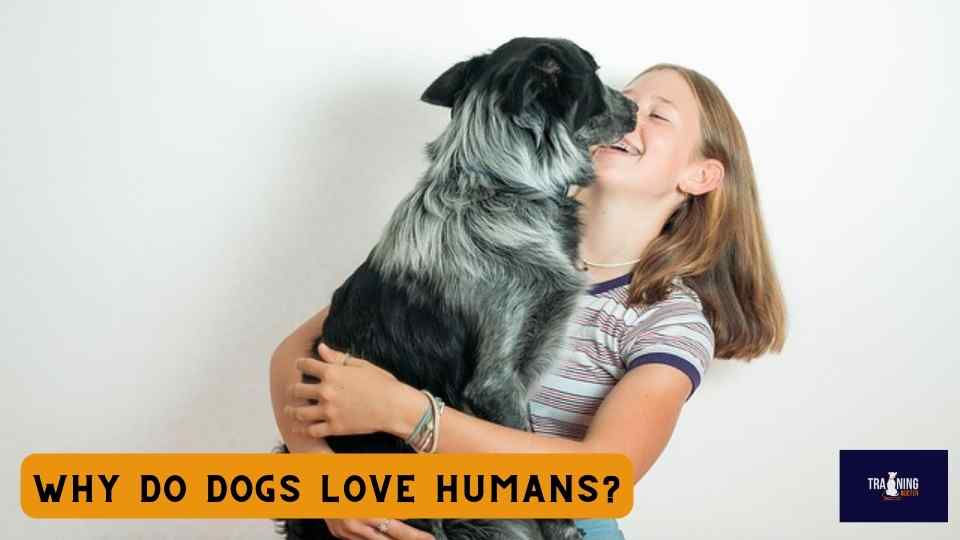
Dogs can also act as social bridges. People who walk dogs often meet neighbors, visit parks, attend training classes, or talk with other dog owners. The dog gives strangers an easy topic to share.
This can be useful in many American communities, where people may live close to one another but have few natural reasons to talk. A friendly dog can start a short conversation that may become a lasting connection.
Dogs can also bring families together. Household members may share walks, training, feeding, play, and care. These shared tasks can create common experiences.
- ✦ Neighborhood contact
Dog walks can create chances to meet neighbors and other pet owners.
- ✦ Shared interests
Dog parks, training groups, and pet events can connect people with similar interests.
- ✦ Family time
Caring for a dog can give family members activities they can do together.
Dogs as Conversation Starters
A dog often gives people something simple to talk about. Questions about a dog’s name, age, breed, or personality can make social contact feel natural and low pressure.
- ✦ Easy topic
Dogs give people a common subject during brief social encounters.
- ✦ Shared experience
Dog owners often understand the daily joys and challenges of pet care.
Dogs Have Shared Human History for Thousands of Years
The question why do people love dogs also has a long historical answer. Dogs did not become close to humans overnight. Over many generations, humans and dogs lived and worked together, creating a relationship shaped by cooperation.
Dogs helped people in different ways. They could assist with hunting, guarding, herding, carrying tasks, and other forms of work. People, in turn, provided food, shelter, and protection.
Modern dogs now fill many roles that are not based on work. They may be family pets, service animals, therapy animals, search-and-rescue partners, or working dogs. The old pattern of cooperation still helps explain the depth of the relationship.
- ✦ Cooperation
Humans and dogs developed ways to live and work together.
- ✦ Adaptation
Dogs became highly skilled at reading human behavior and responding to human environments.
- ✦ Modern roles
Dogs now support people through companionship, assistance, work, and social interaction.
Dogs Are Skilled at Reading Human Behavior
One special part of the human-dog bond is communication. Dogs can learn to respond to words, tone, gestures, facial expressions, routines, and other signals. This skill helps them fit into human homes.
A dog may learn that picking up a leash means a walk. It may learn that a certain sound means food or that a person’s work bag means they are leaving. These links form through repeated experience.
People also learn their dogs’ signals. Owners can become familiar with changes in posture, ears, tail position, movement, and vocal sounds. This two-way learning can make the relationship feel close and personal.
- ✦ Words
Dogs can learn many spoken cues when people use them in a clear and consistent way.
- ✦ Gestures
Dogs can pay attention to pointing and other human movements.
- ✦ Tone
A dog’s response can change with the tone and emotional quality of a person’s voice.
- ✦ Routine cues
Dogs often learn what common household actions predict.
People Learn Dog Body Language Too
The bond works both ways. Owners learn when a dog wants space, play, food, or attention. Learning these signals can improve trust because people can respond to what the dog is trying to communicate.
- ✦ Relaxed signals
Loose posture and easy movement often suggest a dog is comfortable.
- ✦ Stress signals
Changes such as lip licking, turning away, freezing, or repeated yawning can sometimes signal discomfort or stress.
Dogs Can Give People a Sense of Purpose
Another reason why do people love dogs is the feeling of being needed. A dog depends on its caregiver for food, water, safety, exercise, training, and medical care. That responsibility can make daily tasks feel meaningful.
This sense of purpose can be especially clear during major life changes. A move, retirement, change in work schedule, or quieter home can alter a person’s routine. A dog still needs care each day, which can provide a steady point in that new routine.
However, a dog should not be viewed as a simple cure for loneliness or emotional pain. Dogs have needs of their own, and responsible ownership requires a long-term commitment.
- ✦ Being needed
Daily care reminds owners that another living being depends on them.
- ✦ Shared goals
Training, exercise, and care give people simple goals to work toward.
- ✦ Long-term bond
A dog’s needs create repeated opportunities for care and connection.
Why Dogs Feel Like Family Members
For many owners, a dog moves from being a pet to being part of the family. The reason is simple: the dog shares the home and takes part in daily life. Family members may feed the dog, celebrate its birthday, take photos, teach it tricks, and make plans around its needs.
Dogs also become part of personal memories. A child may remember a dog from childhood. An adult may remember a first apartment shared with a rescue dog. These memories can make the relationship feel much larger than the time spent playing or walking.
This helps explain why do people love dogs even when ownership can be hard. The emotional value of the relationship can become tied to home, family, memories, and identity.
- ✦ Shared home
Dogs live in the same space and take part in everyday family routines.
- ✦ Shared memories
Dogs often become part of important moments and long-term memories.
- ✦ Family rituals
Walks, holidays, photos, play, and celebrations can include the family dog.
Dogs Offer Joy, Play, and Emotional Warmth
Life can be busy and serious. Dogs often bring play into ordinary moments. A toy tossed across the room, a silly greeting, or a playful run in the yard can break up a routine.
Many people also enjoy the simple comfort of a dog resting nearby. A quiet dog at their feet or beside them on the couch can make a home feel warm and familiar.
These moments may seem small, but relationships are often built from small moments. That is a major part of why do people love dogs: the bond is renewed through ordinary experiences every day.
- ✦ Play
Games can create positive shared experiences between people and dogs.
- ✦ Comfort
A calm dog nearby can make quiet time feel more connected.
- ✦ Humor
Dog behavior can add surprise and fun to everyday life.
- ✦ Affection
Simple contact can strengthen the emotional bond between a dog and its owner.
Do All People Love Dogs?
No. The answer to why do people love dogs should not suggest that every person feels the same way. Some people prefer cats or other animals. Others may not want pets because of time, housing, cost, allergies, fear, past experiences, or personal preference.
Even among dog owners, the bond can look different. Some people enjoy active outdoor dogs, while others prefer calm companions. The strongest relationship usually comes from matching a dog’s needs with the owner’s lifestyle and ability to provide proper care.
Understanding this difference matters. Loving dogs does not mean every person should own one, and responsible dog ownership starts with choosing a situation that works for both the person and the animal.
- ✦ Lifestyle
Different dogs need different amounts of exercise, attention, training, and space.
- ✦ Time
Dogs need regular care every day, including when an owner is busy.
- ✦ Cost
Food, veterinary care, supplies, grooming, training, and other costs should be part of the decision.
- ✦ Personal preference
People have different comfort levels, interests, and experiences with animals.
How to Build a Stronger Bond With Your Dog
If you already have a dog, the bond can grow through simple, consistent actions. Dogs tend to learn from repeated experiences, so calm routines and clear communication can help build trust.
Quality time matters more than doing something complicated. A short training session, a relaxed walk, a game, or quiet time together can all support the relationship.
It also helps to respect the dog’s needs. A dog that is tired, afraid, or uncomfortable may need space rather than more attention. Understanding and responding to those signals is part of building real trust.
- ✦ Use positive training
Reward behaviors you want to see and keep training clear and consistent.
- ✦ Spend focused time together
Walk, play, train, or relax with your dog without always being distracted.
- ✦ Learn body language
Knowing when your dog feels relaxed, excited, worried, or uncomfortable can improve communication.
- ✦ Keep routines steady
Predictable meals, walks, rest, and training can help dogs feel secure.
- ✦ Meet basic needs
Good food, clean water, exercise, veterinary care, rest, and safe housing support a healthy relationship.