Why Do Dogs Flatten Their Ears: Reasons And Meanings
Introduction
In U.S. homes, dogs often flatten their ears when they feel unsure, scared, stressed, or eager to avoid conflict. Some dogs also pull their ears back when they greet a person, listen closely, or enjoy gentle attention. The ear position alone does not tell the whole story. You need to read the ears with the dog’s eyes, mouth, tail, body, and the situation around them.
A dog with flattened ears may be saying, “I feel nervous,” but they may also be showing calm respect or simple interest. The best answer comes from the full body picture and any sudden change from normal behavior.

What Does It Mean When a Dog Flattens Their Ears?
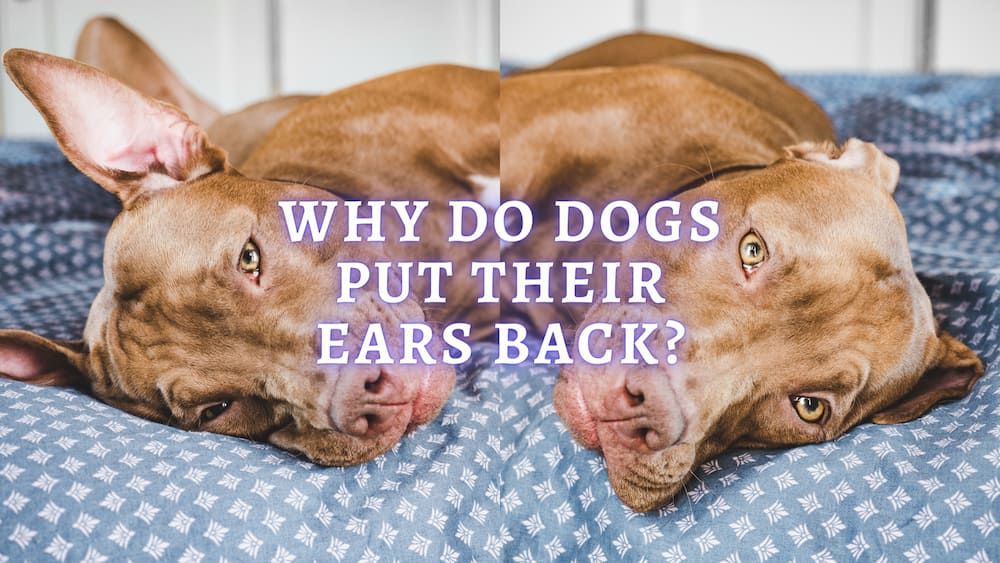
A dog flattens their ears by pulling the ear flaps back, down, or close to the head. This movement is part of canine body language. It can show an emotional state, but it does not have one fixed meaning.
Common reasons include:
- Fear or anxiety
- Submission or conflict avoidance
- Stress or discomfort
- Pain or illness
- Friendly greeting
- Excitement
- Focus and concentration
- Cold, wind, or physical irritation
Ear shape also affects what you see. A German Shepherd may move upright ears in a clear way. A Cocker Spaniel or Basset Hound may show less obvious movement because the ears naturally hang down. A dog with cropped ears may communicate through smaller changes in ear position.
The key question is not only, “Are the ears back?” Ask instead:
- What was happening just before the ears moved?
- Is the dog loose or stiff?
- Are the eyes soft or wide?
- Is the mouth relaxed or tightly closed?
- Is the tail loose, tucked, high, or still?
- Does the dog try to move away?
These clues help separate a relaxed greeting from fear.

The Most Common Reasons Dogs Flatten Their Ears
1. Fear or anxiety
Fear is one of the most common reasons a dog pulls their ears back tightly. The dog may also crouch, tuck the tail, lower the head, avoid eye contact, lick the lips, yawn, or tremble.
Triggers may include:
- Thunder and fireworks
- Vacuum cleaners
- Unfamiliar people
- Strange dogs
- Car rides
- Veterinary visits
- Loud children
- Sudden movements
- Past punishment or frightening events
A fearful dog may freeze instead of run. A still dog is not always a calm dog. Freezing can mean the dog feels unable to escape.
2. Submission or conflict avoidance
Some dogs flatten their ears as a peaceful signal. They may lower their body, turn the head away, or show a loose “appeasement” grin. This behavior can mean they want to avoid a fight or reduce social pressure.
A submissive dog may approach with a low body and a wagging tail. But tail wagging does not always mean happiness. A low, fast, or tense wag can occur with fear or stress.
Do not punish a dog for this display. Punishment can make the dog more afraid and may remove early warning signs. A dog that stops showing mild stress may still feel distress but give fewer visible clues.
3. Stress or overstimulation
A dog can flatten their ears when a situation becomes too intense. The cause may not be fear in the strict sense. The dog may feel overloaded by noise, touch, play, visitors, or close contact.
Early stress signs can include:
- Turning away
- Lip licking
- Repeated yawning
- Panting without heat or exercise
- Pacing
- Paw lifting
- Shaking off
- Hiding
- Flattened ears
Give the dog a quiet break before stress grows. Short breaks often work better than waiting for the dog to reach a crisis point.
4. Friendly greeting
Some dogs pull their ears back when they greet people they like. Their body may remain loose. They may wiggle, lean in, bring a toy, or make a soft, relaxed face.
This is often called “happy ears,” but the phrase can mislead. A friendly ear position does not prove the dog wants a hug or close face-to-face contact. Look for the dog’s choice to stay near you and seek contact.
Let the dog approach. Pet the chest or shoulder rather than reaching over the head. Stop if the dog turns away, stiffens, or moves back.
5. Excitement and focus
Some dogs pull their ears back while running, playing, chasing a toy, or preparing to jump. Wind can also push the ears back during fast movement.
In these cases, the dog often has:
- A loose body
- Bright, focused eyes
- A natural open mouth
- Forward movement
- A playful bow
- A relaxed tail
Excitement can still become unsafe if the dog loses control. Watch for hard staring, body stiffness, blocking, snapping, or a sudden change from play to tension.
6. Pain or an ear problem
A dog may hold one ear back because of pain. Ear infections, mites, allergies, foreign objects, wounds, and other problems can cause discomfort.
Watch for:
- Scratching the ear
- Rubbing the head on furniture
- Head shaking
- Bad odor
- Redness
- Swelling
- Discharge
- Sensitivity when touched
- Head tilt
- Loss of balance
A sudden change in ear position deserves more attention when it affects one ear or comes with these signs. Do not put human medicine, oils, or cotton swabs into the ear unless a veterinarian tells you to do so.

How to Read Flattened Ears With the Rest of the Body
Ear position becomes more useful when you compare it with the dog’s full body language.
| Ear position | Other signs | Likely meaning |
|---|---|---|
| Pulled back but body is loose | Soft eyes, wiggly body, relaxed mouth | Friendly greeting or mild excitement |
| Tight against the head | Crouching, tucked tail, trembling, lip licking | Fear or strong stress |
| Back and body is stiff | Hard stare, closed mouth, weight shifted forward | High tension; give space |
| One ear held differently | Scratching, odor, pain, head shaking | Possible ear problem |
| Back during play | Loose movement, play bow, toy focus | Excitement or concentration |
| Back with hiding | Avoidance, panting, refusal to engage | Anxiety or discomfort |
Soft eyes versus hard eyes
Soft eyes look relaxed. The eyelids may be loose, and the dog may blink normally. Hard eyes look fixed or intense. The dog may stare without blinking much.
A hard stare with flattened ears can signal serious tension. Do not test the dog by moving closer. Increase distance.
Loose body versus stiff body
A loose body can bend, wiggle, and move with ease. A stiff body looks frozen or rigid. Stiffness is more concerning than ear position by itself.
A dog with a stiff body, tight mouth, and flattened ears may feel threatened. Give the dog a clear path away. Do not corner, hug, grab, or force contact.
Tail signals
A tucked tail often supports a fear or anxiety reading. A loose, sweeping tail may support a calm or friendly reading. A high, stiff tail can signal alertness or tension.
Do not judge a tail by movement alone. Dogs can wag when excited, conflicted, nervous, or ready to act.
Mouth and facial signals
A relaxed dog may have a soft mouth and normal breathing. Stress may cause lip licking, yawning, panting, teeth showing, or a tightly closed mouth.
A “smile” can mean different things. Some dogs pull back their lips during a friendly greeting. Others show teeth as a warning. The rest of the body tells you which interpretation fits.
What Should You Do When a Dog Flattens Their Ears?
Your first step should be to lower pressure and check for danger. Do not assume the dog wants comfort through touch.
Use this sequence:
- Pause the interaction. Stop reaching, petting, calling, or leaning over the dog.
- Create space. Move back or turn your body slightly sideways.
- Remove the trigger if possible. Ask visitors to stop, turn off a loud device, or move the dog to a quiet area.
- Let the dog choose. Allow the dog to approach instead of pulling them closer.
- Use calm movement. Speak softly and avoid direct staring.
- Watch for recovery. Relaxed ears, normal breathing, loose movement, and voluntary approach suggest the dog feels safer.
- Seek help when needed. Contact a veterinarian for pain signs or a qualified behavior professional for repeated fear or aggression concerns.
If the dog is afraid of a person
Ask the person to ignore the dog. They should avoid reaching, staring, calling, or bending over the dog. Tossing small treats away from the person can help the dog feel free to move away.
Do not lure a frightened dog into a person’s hands. The dog needs control over distance. Forced contact can increase fear.
If the dog is afraid of noise
Move the dog to a quiet indoor room. Close windows and use steady background sound if it helps. Offer a safe resting place, but do not force the dog inside a crate or hiding spot.
For severe noise fear, speak with a veterinarian. Treatment may include behavior work and, in some cases, prescription medication.
If the dog flattens their ears during petting
Stop petting and see what the dog does. If the dog moves closer with a loose body, they may want more contact. If the dog moves away, freezes, licks their lips, or turns the head, respect the request for space.
Children should learn this rule too: when a dog turns away or pulls the ears back, stop touching the dog.

When Are Flattened Ears a Medical Concern?
Flattened ears may point to a health problem when the change is sudden, persistent, one-sided, or paired with pain signs.
Call a veterinarian soon if your dog has:
- Ear discharge or a strong odor
- Red or swollen ear tissue
- Frequent head shaking
- Repeated scratching
- Pain when the ear is touched
- A head tilt
- Trouble walking or balance loss
- Sudden hearing changes
- Low energy or loss of appetite
- A new behavior change with no clear trigger
Balance problems and a head tilt can need prompt care because deeper parts of the ear help control balance. A veterinarian can examine the ear canal and determine whether infection, allergy, injury, a foreign object, or another condition is involved.
Avoid home ear cleaning when the eardrum may be damaged. Also avoid cotton swabs deep in the ear canal. These actions can push debris farther inside or cause injury.
Do Some Dog Breeds Flatten Their Ears More Often?
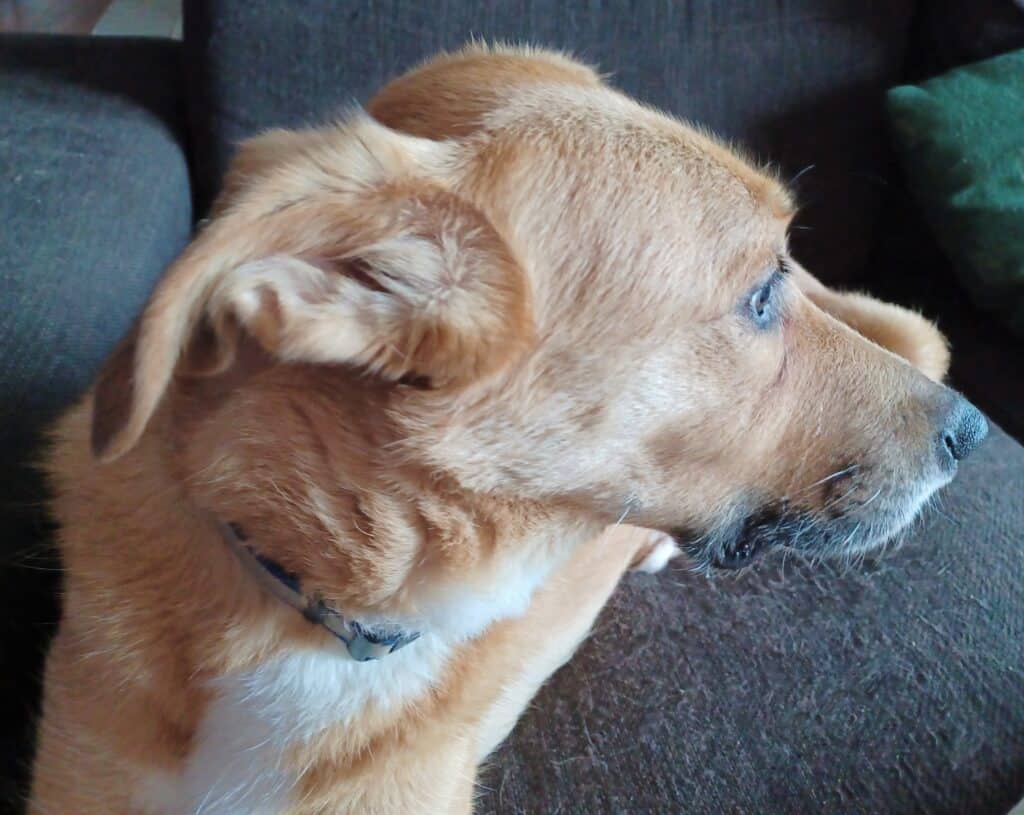
Yes. Ear shape, ear size, coat, and breeding affect how easy ear movement is to see. Dogs with upright ears may show a clear shift backward. Dogs with floppy ears may show changes through the ear base, head angle, eyes, or body.
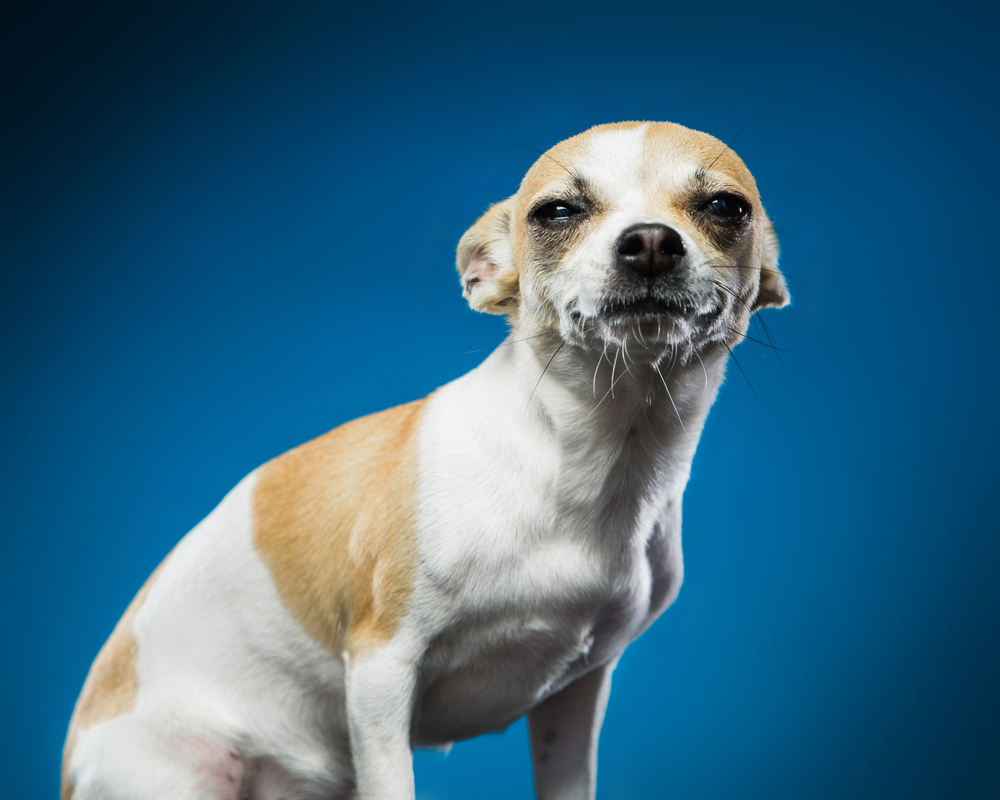
Breed does not provide a complete emotional answer. A Labrador Retriever, Chihuahua, Great Dane, and Shih Tzu may all flatten their ears for different reasons. Individual history matters more than breed labels.
Watch your dog when they are clearly relaxed. Learn their normal ear position, tail position, mouth, and movement. Then compare future changes with that baseline.
Puppies also need careful reading. Young dogs may flatten their ears during play, greeting, correction from another dog, or fear. Their signals can change quickly. Give puppies breaks and prevent adults or children from overwhelming them.
Common Mistakes People Make
Mistake 1: Treating every flattened ear as fear
Some dogs pull their ears back during happy greetings or play. Look for loose movement and voluntary contact before deciding the dog is afraid.
Mistake 2: Treating every tail wag as friendly
A wagging tail can occur with stress or tension. Read the speed, height, stiffness, and the rest of the body.
Mistake 3: Forcing comfort
Hugging, holding, or picking up a scared dog can increase stress. Quiet space often helps more than touch.
Mistake 4: Punishing warning signs
Growling, turning away, lip licking, and flattened ears can warn that a dog needs distance. Punishment may make the dog less willing to signal before a bite.
Mistake 5: Ignoring sudden one-sided changes
A dog that holds one ear differently may have pain. Check for other signs and arrange veterinary care if the change continues.
Mistake 6: Looking only at the ears
Ears are one part of a communication system. Context and the full body matter more than one signal.

FAQs About Dogs Flattening Their Ears
Why does my dog flatten their ears when I pet them?
Your dog may enjoy the contact, feel unsure, or want you to stop. Check the body. A loose body and voluntary approach suggest comfort. Stiffness, turning away, lip licking, or moving away suggest stress.
Why do dogs flatten their ears when they see another dog?
The dog may feel friendly, excited, uncertain, or afraid. A loose body and play bow differ from a tucked tail, freezing, and hard staring. Give space if the dog looks tense.
Do flattened ears mean my dog is guilty?
Dogs do not show guilt in the same human sense. Ears back, lowered posture, and avoidance often reflect fear or an attempt to respond to your tone. Stay calm and focus on preventing the behavior rather than scolding after the fact.
Why is my dog holding one ear back?
One-sided ear movement can result from attention, habit, or pain. If it is new or comes with scratching, odor, discharge, head shaking, or sensitivity, contact a veterinarian.
Should I comfort a dog with flattened ears?
Offer calm support, but do not force touch. Reduce the trigger, provide space, and let the dog choose whether to approach. If the dog seeks gentle contact and stays loose, brief petting may be welcome.
Key Takeaways
- Dogs flatten their ears for many reasons, including fear, stress, greeting, excitement, and pain.
- Ear position alone cannot identify the dog’s emotion.
- A loose body usually suggests less concern than a stiff body.
- Give a tense or fearful dog space and a clear way to leave.
- Sudden, one-sided, or painful ear changes need veterinary attention.
- Never punish a dog for showing discomfort or warning signals.
Conclusion
Dogs flatten their ears to communicate, but the signal has no single meaning. Read the ears with the dog’s eyes, mouth, tail, posture, movement, and the event that caused the change.
When the dog looks loose and chooses to stay near you, the ears may reflect greeting or excitement. When the dog freezes, crouches, hides, or shows pain, reduce pressure and seek help when needed. Your safest response is simple: pause, give space, and let the dog show you what they need.