Why Do Dogs Eat Hackberry Leaves: Causes And Safety Tips
Dogs may eat hackberry leaves because they enjoy chewing plants, seek extra roughage, feel mild stomach discomfort, or have access to fallen leaves during outdoor play. In most cases, eating a small amount of clean hackberry leaf does not appear to cause serious poisoning. However, hackberry leaves can still cause stomach upset, and the greater risks may come from pesticides, plant misidentification, large amounts, or another health problem.
In the United States, several hackberry species grow in yards, parks, and wooded areas. Common hackberries (Celtis occidentalis) have rough, toothed leaves and small berries. A dog that nibbles a few leaves is usually not facing the same danger as a dog that eats an unknown plant, treated foliage, or a large pile of leaves.
Quick answer: Are hackberry leaves poisonous to dogs?
Hackberry leaves are not widely recognized as a poisonous plant for dogs, but that does not mean they are safe in unlimited amounts. The ASPCA’s toxic and nontoxic plant database does not establish hackberry leaves as a common canine poison. Still, dogs can vomit or develop diarrhea after eating plant material.
The most useful questions are:
- Did the dog eat a few leaves or a large amount?
- Were the leaves fresh, dry, moldy, or covered in lawn chemicals?
- Are you certain the plant is hackberry?
- Does the dog have vomiting, diarrhea, weakness, choking, or trouble breathing?
- Did the dog also eat berries, twigs, mulch, or another substance?
If your dog is acting normal after eating a small amount of clean hackberry leaf, remove access, offer water, and watch closely. Call a veterinarian or an animal poison service if symptoms appear or the plant cannot be identified.

Why do dogs eat hackberry leaves?
Dogs eat hackberry leaves for several possible reasons. The behavior alone does not prove that a dog is sick or that the leaves contain a needed nutrient.
Natural grazing and texture
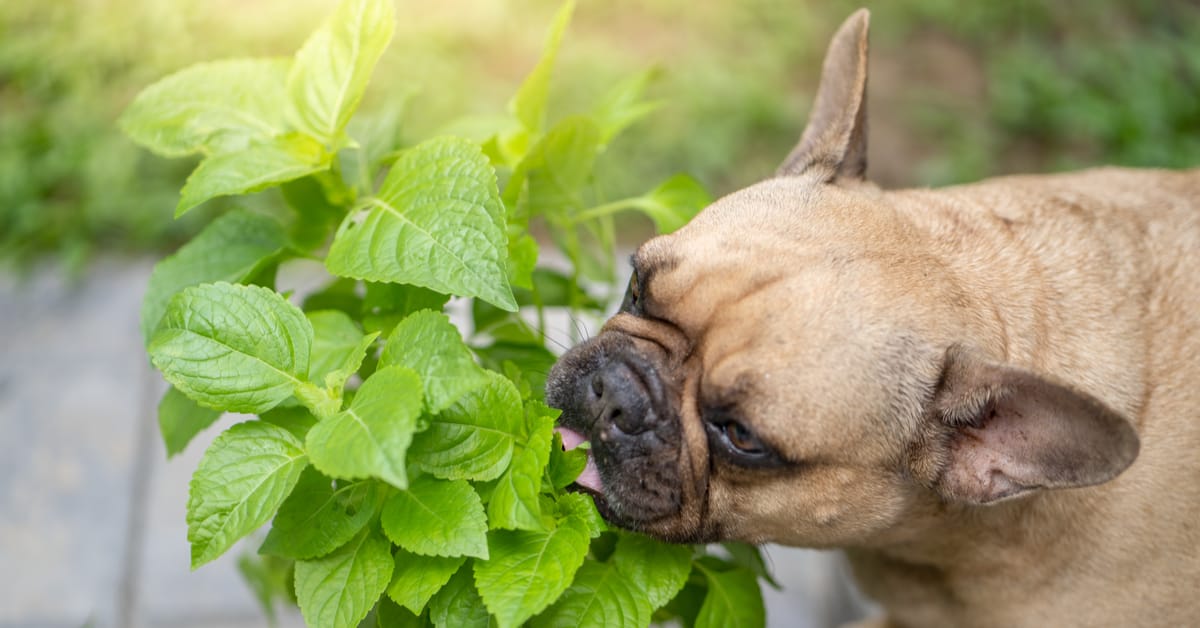
Many dogs chew grass, leaves, and other soft plants as part of normal exploring. Dogs use their mouths to investigate smells and textures. Hackberry leaves are easy to reach from low branches or the ground, especially in fall.
Some dogs also enjoy the act of tearing leaves. This is similar to chewing a toy, although plant material is not a reliable substitute for a safe chew.
Mild stomach discomfort
Some dogs eat plants when they feel nauseated or have mild stomach discomfort. They may be seeking rough material or may simply respond to the taste and texture of leaves. However, plant eating does not reliably treat nausea, gas, or digestive disease.
A dog that repeatedly eats leaves and then vomits may have a stomach problem rather than a “self-treatment” habit. Repeated vomiting, poor appetite, belly pain, or low energy needs veterinary attention.
Hunger, boredom, or habit
A hungry dog may chew leaves during a walk or while waiting outdoors. Boredom can make the habit more frequent, especially when a dog has little exercise, play, or mental work.
If leaf eating happens mainly in the yard, the behavior may be reinforced by easy access. A dog may also repeat it because the activity is stimulating, not because the leaves offer health benefits.
Pica or compulsive eating
Pica is the repeated eating of items that are not normal food. Leaves may be part of a wider pattern that includes dirt, rocks, fabric, paper, or plastic.
Possible contributors include anxiety, poor diet, intestinal disease, parasites, anemia, and other medical conditions. A veterinarian should assess a dog that persistently eats nonfood items or cannot be redirected.
What is a hackberry tree?
Hackberry trees belong to the Celtis genus. In the United States, common hackberry and sugarberry are familiar native trees. They may grow in residential landscapes, along streets, and in natural areas.
Typical hackberry features include:
- Alternate leaves with uneven bases
- Tooth-like edges
- A rough or sandpapery leaf surface
- Gray bark that may develop ridges or bumps
- Small round fruits that change from green to reddish or dark purple as they mature
Plant identification matters. Several trees have similar leaves, and a wrong identification changes the safety assessment. If you are unsure, take clear photos of the leaves, bark, fruit, and whole tree. Do not let your dog keep eating the plant while you investigate.
Hackberry leaves are not the same as leaves from plants known to be dangerous to dogs, such as certain yews, azaleas, oleander, or sago palms. Never assume that a plant is safe because it grows commonly in a neighborhood.
What are the risks of dogs eating hackberry leaves?
The main risk is usually digestive irritation, not a confirmed hackberry toxin. The risk also depends on what was on the leaves and what else the dog swallowed.
Stomach upset
Plant fibers can irritate the stomach or intestines. A dog may develop:
- Drooling
- Lip licking
- Nausea
- Vomiting
- Loose stool
- Gas
- Reduced appetite
These signs may be mild and short-lived after a small amount. They can also signal a different problem if they continue or become severe.
Choking or intestinal blockage
Leaves are soft, but dogs may swallow them with stems, twigs, bark, or other yard debris. A large mass of plant matter may be difficult to digest. Dogs that gulp objects are at higher risk.
Warning signs of a possible obstruction include repeated vomiting, inability to keep water down, a painful or swollen belly, straining to pass stool, weakness, and refusing food. These signs require prompt veterinary care.
Pesticides, herbicides, and fertilizer
A hackberry leaf may be harmless by itself but unsafe after exposure to chemicals. Lawn treatments, insecticides, weed killers, and tree products can remain on leaves or nearby grass.
Risk depends on the product, dose, route of exposure, and dog’s size. Do not guess based on the product’s smell or on whether the leaf looks dry. Find the product label and call a veterinarian or poison service for instructions.
Mold and decaying leaves
Wet leaf piles can grow mold. Some molds produce toxins that may cause tremors, seizures, high body temperature, vomiting, or severe agitation. A dog that eats moldy leaves, compost, or a large amount of decomposing yard waste needs urgent advice.
Berries and other tree parts
Hackberry fruit is different from the leaves. A few berries may pass without a problem, but eating large amounts can cause digestive upset. Fallen fruit may also contain mold.
Twigs and bark add a choking and blockage risk. They may injure the mouth or digestive tract if chewed into sharp pieces.
What should you do if your dog eats hackberry leaves?
Use the amount eaten, the condition of the leaves, and your dog’s symptoms to guide your next step.
If your dog ate a few clean leaves
- Calmly move your dog away from the tree.
- Remove leaves from the mouth if you can do so safely.
- Offer access to fresh water.
- Check the yard for chemicals, mold, berries, twigs, and other plants.
- Watch for vomiting, diarrhea, weakness, or unusual behavior.
Do not induce vomiting unless a veterinarian or animal poison professional tells you to do so. Some substances cause more injury when they come back up.
If your dog ate many leaves
Call your veterinarian for advice, even if your dog seems normal. Have these details ready:
- Your dog’s age, weight, and breed
- The estimated amount eaten
- When the eating occurred
- A photo or sample of the plant
- Whether the leaves were treated
- Any symptoms
- Other materials eaten at the same time
In the United States, you can also contact the ASPCA Animal Poison Control Center or Pet Poison Helpline. Fees and service availability can vary, so check their current contact information.
If symptoms are present
Contact a veterinarian when symptoms are more than mild, last longer than expected, or occur in a puppy, senior dog, pregnant dog, or dog with a chronic illness.
Seek emergency care for:
- Trouble breathing
- Collapse or severe weakness
- Repeated vomiting
- Blood in vomit or stool
- A swollen or painful abdomen
- Tremors or seizures
- Severe drooling or trouble swallowing
- Pale, blue, or gray gums
- Suspected chemical exposure
- Eating moldy leaves or compost
Do not wait for symptoms after a known pesticide exposure. Some toxins can cause delayed signs.
How can you stop a dog from eating hackberry leaves?
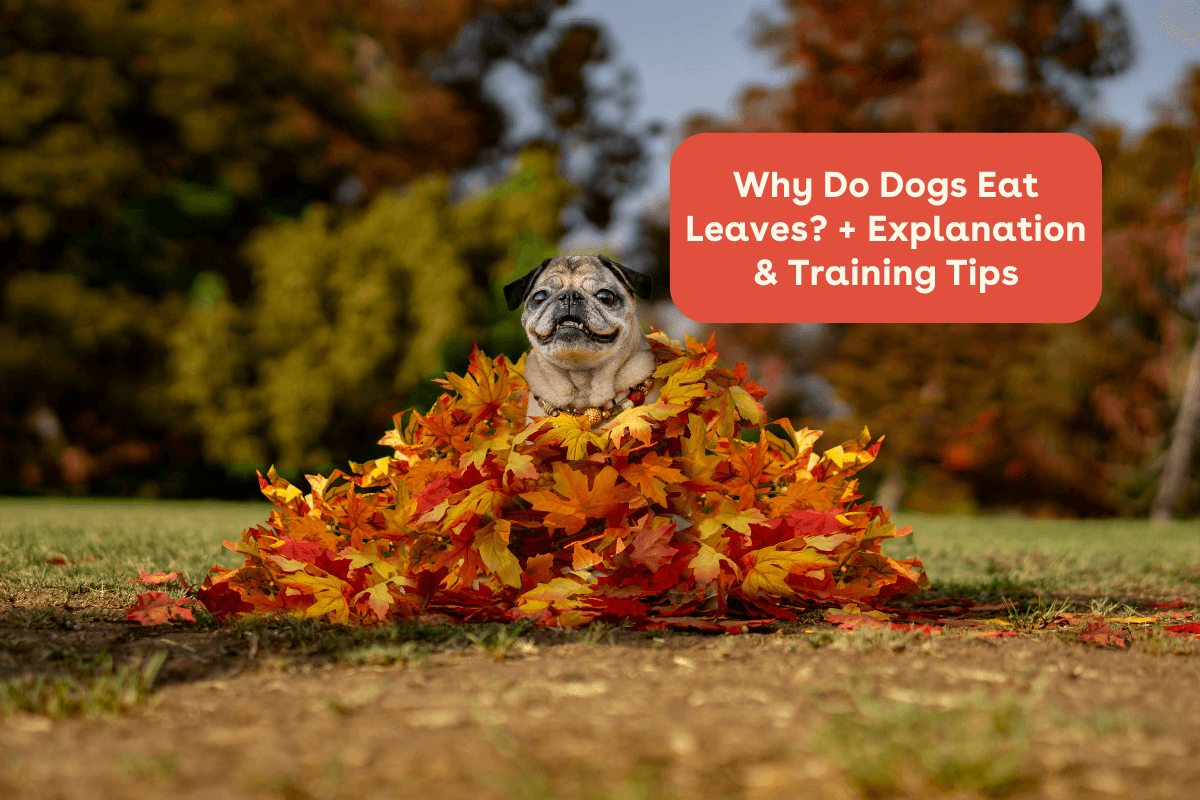
Preventing access works better than punishing the behavior. Punishment may increase anxiety and can make a dog swallow leaves quickly.
Try these steps:
- Fence off the tree or block access to leaf piles.
- Rake fallen leaves often.
- Keep your dog on a leash near unknown plants.
- Teach “leave it” with treats and reward calm choices.
- Provide safe chew toys and food puzzles.
- Add walks, sniffing games, and short training sessions.
- Feed a complete and balanced diet suited to your dog’s life stage.
- Ask a veterinarian about persistent plant eating.
A dog that eats leaves only during idle outdoor time may need more activity. A dog that eats leaves along with dirt, rocks, or fabric may need a medical and behavioral assessment.
Do not spray leaves with a home remedy or chemical deterrent unless the product is confirmed safe for dogs and used exactly as directed. Some “natural” products can still irritate or poison pets.
Hackberry leaves versus grass: does the difference matter?
Yes. Grass and hackberry leaves are different plant materials, and neither should be assumed safe in every situation.
Grass may carry fertilizer, herbicide, or parasite-contaminated soil. Hackberry leaves may be mixed with berries, bark, twigs, mold, or leaves from another plant. The amount eaten also matters.
A useful comparison is:
| Situation | Main concern | Best response |
|---|---|---|
| A few clean hackberry leaves | Mild stomach upset | Remove access and monitor |
| A large amount of leaves | Vomiting, blockage, unknown exposure | Call a veterinarian |
| Leaves from a treated yard | Chemical exposure | Find the product label and call promptly |
| Moldy leaves or compost | Mold toxin exposure | Seek urgent veterinary advice |
| Unknown plant | Misidentification | Photograph the plant and contact a professional |
| Leaves plus twigs or rocks | Choking or blockage | Contact a veterinarian, especially if symptoms occur |
The safest decision comes from identifying the plant and the exposure, not from the word “hackberry” alone.

Common mistakes to avoid
Assuming every leaf is harmless
A common tree may grow near a poisonous plant. Dogs may also eat leaves after they fall into treated grass or a compost pile.
Waiting after a known chemical exposure
Do not wait for vomiting or weakness if you know the leaves were sprayed. The product name and active ingredient help a professional judge the risk.
Inducing vomiting at home
Hydrogen peroxide and other home methods can cause harm when used incorrectly. Use them only if a veterinary professional gives specific instructions.
Ignoring repeated leaf eating
One brief episode is different from a daily habit. Persistent eating can point to boredom, anxiety, dietary issues, parasites, or illness.
Relying on online plant photos alone
Photos can help, but lighting, season, and similar species can cause mistakes. A local extension office, veterinarian, or qualified plant identifier may provide better confirmation.
Frequently asked questions
Can hackberry leaves make a dog sick?
They can cause stomach upset, especially when eaten in large amounts or along with stems, berries, mold, or treated grass. Serious poisoning from ordinary, clean hackberry leaves is not well established, but symptoms should still be monitored.
Do dogs eat leaves because they need vitamins?
Usually, there is no clear evidence that a dog eating leaves has identified a vitamin deficiency. The behavior may relate to taste, texture, boredom, habit, or nausea. A complete commercial diet or properly formulated home diet should provide needed nutrients.
Can puppies eat hackberry leaves?
Puppies should not be allowed to chew yard plants freely. They are more likely to swallow leaves, twigs, stones, and mulch. Call a veterinarian if a puppy eats a large amount or develops vomiting, diarrhea, weakness, or pain.
Should I call the vet if my dog vomits after eating leaves?
Call if vomiting repeats, your dog cannot keep water down, the vomit contains blood, the abdomen seems painful, or the dog becomes weak. A single mild episode may resolve, but the dog should be watched closely.
Are hackberry berries safe for dogs?
Do not treat berries as a free snack. A few may not cause illness, but large amounts, spoiled fruit, or berries mixed with other plant material can cause problems. Ask a veterinarian if your dog ate many berries or shows symptoms.
Conclusion
Dogs may eat hackberry leaves because of normal grazing, curiosity, boredom, texture, or mild nausea. A few clean leaves are unlikely to cause serious harm in most healthy dogs, but the plant must be identified and the leaves must be free from chemicals and mold.
Remove access, monitor your dog, and avoid home-induced vomiting. Contact a veterinarian or animal poison service for large amounts, treated or moldy leaves, unknown plants, repeated behavior, or any concerning symptoms.