Why Do Dogs Watch You Have Sex: Real Reasons Explained
Dogs often watch people have sex because they are curious, bonded to their owners, and sensitive to movement, sound, and routine changes. In most cases, this behavior is normal canine attention, not proof that the dog understands sex in a human sense.
For many U.S. households, the real issue is not the staring itself. It is whether the dog is calm, stressed, intrusive, or at risk of learning unwanted habits around private moments.
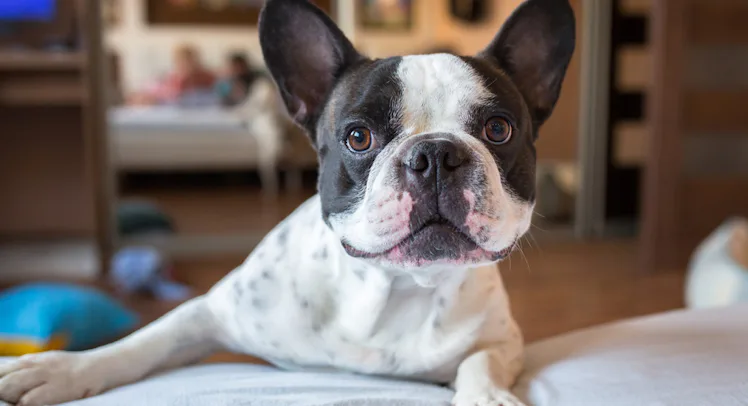
Why dogs watch sex in the first place
Dogs watch because the scene is unusual, active, and socially important to them. A dog may not know what sex is, but it does notice sudden movement, different vocal tones, scent changes, and the fact that two familiar people are focused on each other instead of on the dog.
This behavior usually comes from a mix of instinct and learning:
- Curiosity: Dogs investigate anything new or intense.
- Bonding: Dogs often monitor their people closely.
- Attention-seeking: Some dogs have learned that watching gets a reaction.
- Arousal from activity: Rapid movement and noise can hold a dog’s attention.
- Pack/social vigilance: Dogs are wired to track group behavior and changes in the room.
In plain terms, your dog may be treating the moment like any other strange household event. The dog is observing, not moralizing.
Common reasons dogs stare during sex
A dog’s stare usually has one of these explanations:
| Possible reason | What it may look like | What it usually means |
|---|---|---|
| Curiosity | Fixed gaze, ears forward, still body | The dog is trying to understand the activity |
| Confusion | Head tilt, hesitation, slow movement | The dog notices something unusual but cannot classify it |
| Attention-seeking | Whining, pawing, jumping, barking | The dog wants access to you |
| Anxiety | Pacing, lip licking, panting, tucked tail | The dog feels uncertain or overstimulated |
| Habit | Repeated checking or hovering | The dog has learned that this is part of the routine |
The key point is this: a dog’s stare is about observation, not human sexual meaning. The dog is responding to patterns it can detect, not interpreting the act the way a person would.

Is it normal for dogs to watch you have sex?
Yes, it is usually normal. Dogs are socially aware animals, and they often stay near their owners during private or intimate moments because closeness, movement, and sound all draw their attention.
That said, normal does not always mean desirable. Some dogs are simply curious. Others are anxious, overattached, or poorly trained around bedroom boundaries.
A dog is more likely to be behaving normally if it:
- stays calm
- does not try to bite, mount, or interfere
- does not bark, whine, or panic
- leaves when called or redirected
- returns to resting behavior afterward
A dog may need more boundary training if it:
- repeatedly jumps on the bed
- stares intensely but will not disengage
- whines, scratches, or barks every time
- becomes possessive of the bed or people
- seems distressed rather than merely curious
If the dog is calm, the behavior is usually not a medical problem and not a sign of “bad” behavior. It is often just a household boundary issue.
Do dogs understand what sex is?
No clear evidence shows that dogs understand sex as humans do. Dogs can detect body movement, emotional tone, and scent changes, but that is not the same as understanding the social or reproductive meaning of the act.
What dogs likely notice is:
- different physical movement
- unusual breathing or vocal sounds
- changed scent signals
- increased excitement or tension
- a shift in the household routine
This matters because many owners assume the dog is “judging” them. That is a human projection. The more likely explanation is sensory curiosity.
Dogs do understand arousal in a broad sense, meaning they notice emotional and physical intensity. But they do not appear to process it with human concepts like privacy, embarrassment, or consent.
When watching becomes a behavior problem
Watching alone is not the problem. The problem starts when the dog cannot settle, intrudes, or becomes distressed.
Watch for these warning signs
- persistent whining or barking
- attempts to climb on the bed repeatedly
- licking, pawing, or nudging at the wrong time
- guarding behavior toward one partner
- stress signals like panting, yawning, lip licking, or whale eye
- destructive behavior outside the bedroom afterward
These signs can point to anxiety, poor impulse control, or reinforcement of attention-seeking behavior. In some cases, the dog may simply be overstimulated by noise and movement. In others, the dog may have learned that interrupting gets attention.
What to do if the dog keeps interrupting
-
Close the door if the dog is safe outside it.
This is the simplest boundary. -
Use a cue the dog already knows.
Ask for “place,” “bed,” or “settle” before intimacy starts. -
Give a reward for staying put.
Calm behavior is easier to repeat when it pays off. -
Provide a distraction away from the room.
A chew toy, food puzzle, or quiet crate time may help. -
Do not punish the dog harshly.
Harsh correction can make anxiety worse and can confuse the dog.
If the dog shows fear or panic, the issue is bigger than curiosity. That is a good time to work on gradual desensitization or consult a qualified trainer or veterinarian.
Why some dogs seem especially focused
Some dogs are naturally more attentive than others. Breed tendencies, personality, age, and past reinforcement all matter.
A dog may watch more closely if it is:
- highly people-oriented
- underexercised
- young and easily distracted
- insecure when left out of a social event
- used to constant access to the bedroom
- reinforced in the past for “checking in” during private moments
This does not mean the dog is “jealous” in a human sense. It means the dog has learned that your attention is valuable and that unusual activity deserves monitoring.
A simple rule helps here: the more access and attention a dog gets in all parts of the house, the more likely it is to insert itself into private space unless boundaries are taught.
Can dogs sense the emotions behind sex?
Yes, dogs can often sense emotional shifts, even if they do not understand the situation itself. Dogs are highly responsive to tone of voice, body tension, breathing patterns, and familiar scents.
That means a dog may react to:
- excitement
- stress
- laughter
- tension
- frustration
- loud vocalizations
This can make the dog more alert or more clingy. Some dogs become curious. Others become uneasy and leave the room. The dog’s response often reflects how intense the environment feels, not what the activity means.
If the atmosphere is loud, tense, or unpredictable, a dog may interpret it as a change worth monitoring. If the atmosphere is calm and routine, the dog may lose interest quickly.
How to manage the behavior respectfully
The best approach is simple boundary training, not shame.
Practical steps
- Teach a place cue. The dog should know how to go to a bed or mat and stay there.
- Reward calm departures from the room. Calm behavior should be useful to the dog.
- Keep the bedroom rules consistent. Mixed signals make the habit stronger.
- Avoid rewarding intrusive behavior. If the dog gets attention every time it barges in, it will keep doing it.
- Provide enough daily exercise and enrichment. A tired, satisfied dog is easier to redirect.
What not to do
- do not scare the dog on purpose
- do not yell if the dog is merely looking
- do not use physical punishment
- do not assume staring means dominance or guilt
Those ideas are outdated or overinterpreted. In most homes, the fix is training and routine, not force.
When to get professional help
You should consult a veterinarian or qualified trainer if the behavior is paired with anxiety, aggression, or sudden change.
Seek help if the dog:
- seems panicked whenever intimacy starts
- guards the bed or one partner
- starts marking, destroying items, or acting out
- shows sudden changes in behavior unrelated to sex
- cannot relax even with training
A sudden behavioral change can sometimes point to pain, stress, or another health issue. If the behavior is new, extreme, or escalating, professional evaluation is wise.
FAQ
Why does my dog just sit and stare at me during sex?
Most dogs do this because they are curious and monitoring unusual activity. They may also be waiting for attention or trying to understand the noise and movement.
Is my dog jealous when it watches me have sex?
Probably not in the human sense. Dogs can feel social tension and attention shifts, but “jealousy” is usually an oversimplified way to describe curiosity, attachment, or anxiety.
Should I let my dog stay in the room?
That depends on the dog’s behavior and your comfort. If the dog is calm and disengages easily, it may not be a problem. If it interrupts or seems stressed, set a boundary.
Can watching sex confuse my dog?
It can be confusing in the sense that the activity is unusual, but it does not usually harm the dog if the dog is calm and not distressed. Clear routines help.
How do I stop my dog from watching?
Use a consistent boundary: close the door, cue the dog to a bed or mat, reward calm behavior, and do not reinforce intrusions with attention.
Conclusion
Dogs watch people have sex because they notice movement, sound, scent, and changes in attention. In most U.S. homes, this is normal canine curiosity, not a moral judgment or a sign that the dog understands sex the way humans do.
The practical fix is usually simple: set a boundary, reward calm behavior, and pay attention to signs of stress. If the dog is anxious, intrusive, or suddenly different, that is the time to involve a veterinarian or trainer.