Why Do Humans Love Dogs? The Science and Psychology Behind Our Deep Bond
Humans love dogs because they offer loyal companionship, affection, comfort, social connection, and a strong sense of trust.
Why do humans love dogs so much? The answer is not just that dogs are cute. Dogs have lived beside humans for thousands of years. Over time, this shared life helped create a special bond built on trust, teamwork, care, and companionship.
For many people in the United States, a dog is part of the family. Dogs share our homes, morning walks, road trips, weekends, and quiet nights. They also notice our routines and respond to our voices, faces, and body language. That daily contact can make the relationship feel very personal.
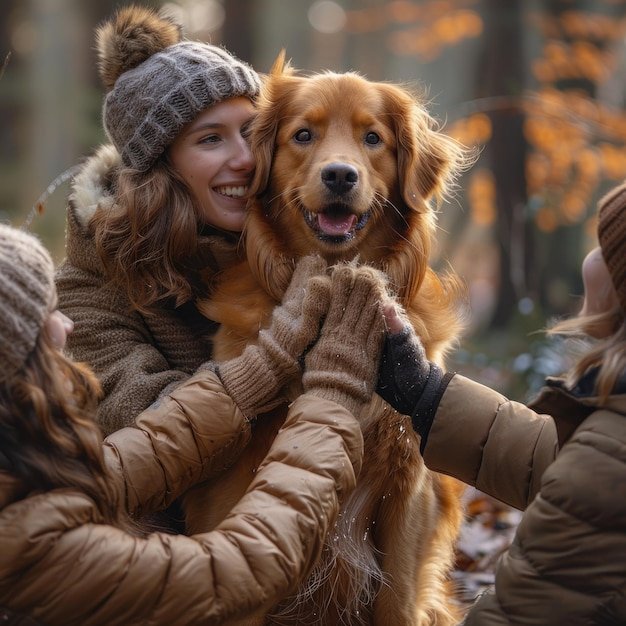
The bond also has a strong emotional side. A dog may greet you with excitement after a long day, sit near you when you are quiet, or bring a toy when it wants to play. These small moments can create a deep sense of connection. So, when people ask why do humans love dogs, the answer is best understood as a mix of biology, history, behavior, and everyday experience.

Dogs Give Humans a Strong Sense of Companionship
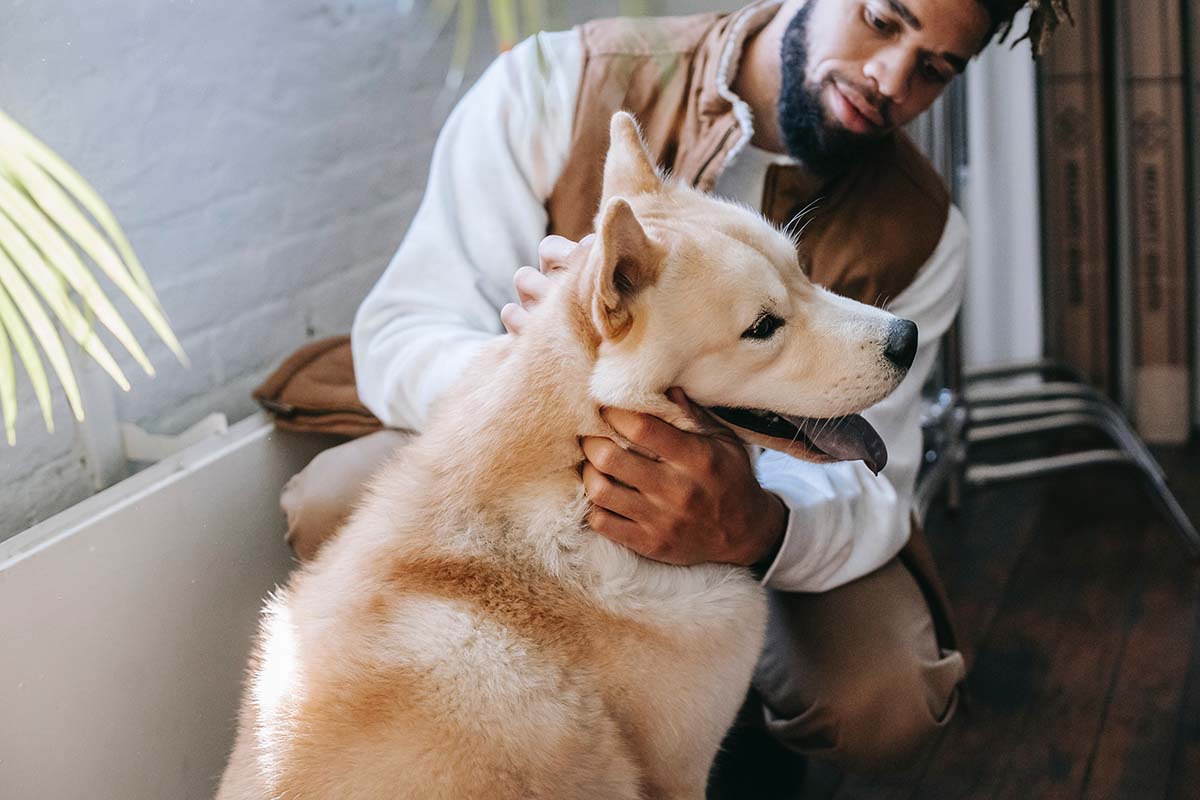
One major reason why do humans love dogs is simple: dogs are excellent companions. They often want to stay close to their people and take part in daily life. This can make a home feel less empty and daily routines feel more shared.
Dogs also offer a form of company that does not depend on long talks. Sitting beside a dog, taking a walk, or playing in the yard can feel meaningful. The dog is there, and that presence can matter a lot.
For people who live alone, work from home, or have limited social contact, a dog can add regular social contact to the day. Still, a dog should not replace human relationships. Dogs can add to a person’s social life rather than serve as a complete substitute for it.
- ✦ Daily presence
Dogs often stay near their people during normal home routines, which creates a steady sense of company.
- ✦ Shared activities
Walks, games, training, and trips give people and dogs things to do together.
- ✦ Emotional connection
A familiar dog can provide a comforting presence during both busy and quiet parts of the day.
Why a Dog Can Make a House Feel Like Home
A dog can become part of the rhythm of a home. Feeding time, walks, play, rest, and bedtime create small shared rituals. These repeated moments can make the relationship feel stable and familiar.
- ✦ Routine
Regular care gives both the person and the dog a predictable daily pattern.
- ✦ Familiarity
Living together lets people learn a dog’s habits, signals, likes, and dislikes.
Dogs Are Very Good at Reading Human Signals
Another key reason why do humans love dogs is the way dogs respond to people. Dogs can learn to notice many human signals. They can pay attention to voice tone, facial expressions, gestures, posture, movement, and familiar words.
This ability helps dogs fit into human homes. A dog may learn that a certain sound means a walk, that a hand signal means sit, or that a calm voice means everything is fine. The more people and dogs interact, the more they can learn about each other.
This does not mean dogs understand human thoughts in the same way another person does. Their skills are different. But their ability to respond to human cues can make communication feel surprisingly natural.

- ✦ Voice
Dogs can learn to respond to familiar words and changes in the tone of a person’s voice.
- ✦ Body language
Dogs often use human gestures, posture, and movement as useful clues.
- ✦ Routine signals
Repeated actions can teach a dog what usually happens next, such as going outside after a person picks up a leash.
Eye Contact Can Strengthen the Bond
Friendly eye contact can be part of the bond between a person and a dog. When a dog and a trusted person look at each other in a calm setting, both may become more engaged with the interaction. This is one reason a simple look from a familiar dog can feel so powerful.
- ✦ Trust matters
Eye contact should be read in context because a hard stare can mean something very different from a relaxed look.
Humans and Dogs Have a Long Shared History
To understand why do humans love dogs, it helps to look at history. Dogs are linked to ancient wolf populations, and humans and early dogs lived near each other for a very long time. The exact path from wild wolves to modern dogs was complex, but cooperation likely played an important role.
Early dogs could benefit from human settlements, food, and shelter. Humans could benefit from dogs through tasks such as guarding, hunting, tracking, and later herding and other forms of work. Over many generations, people also selected dogs for traits that helped them live and work closely with humans.
Modern dogs now fill many roles. Some work as service dogs, detection dogs, therapy dogs, herding dogs, or search-and-rescue dogs. Many others simply live as family pets. That long history helps explain why dogs can fit so well into human social environments.
- ✦ Cooperation
Dogs and humans developed a relationship in which both species could gain useful benefits from living and working together.
- ✦ Selective breeding
People bred dogs for many traits, including behavior, size, appearance, working skills, and ability to cooperate with humans.
- ✦ Modern roles
Dogs now support people in many jobs while also serving as companions and family pets.
Dogs Became More Than Working Animals
As human life changed, the role of dogs changed too. Dogs moved from mainly helping with work to becoming close household companions. In many homes today, the emotional bond is just as important as any practical task a dog performs.
- ✦ Family role
Many households treat dogs as family members and include them in everyday activities.
Affection and Bonding Help Explain Why Humans Love Dogs
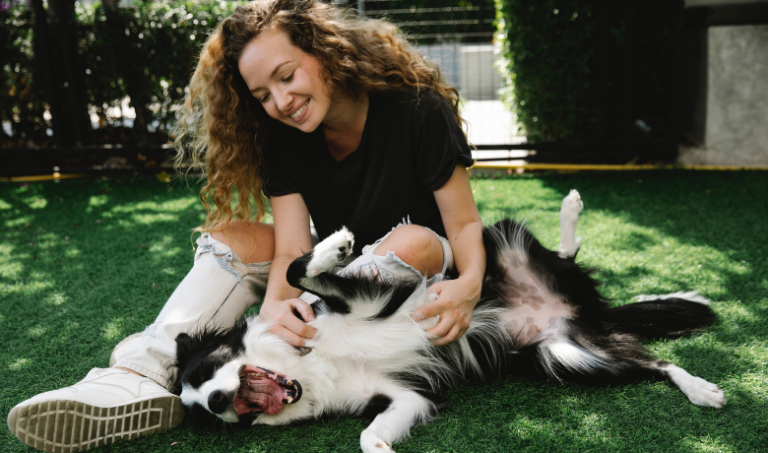
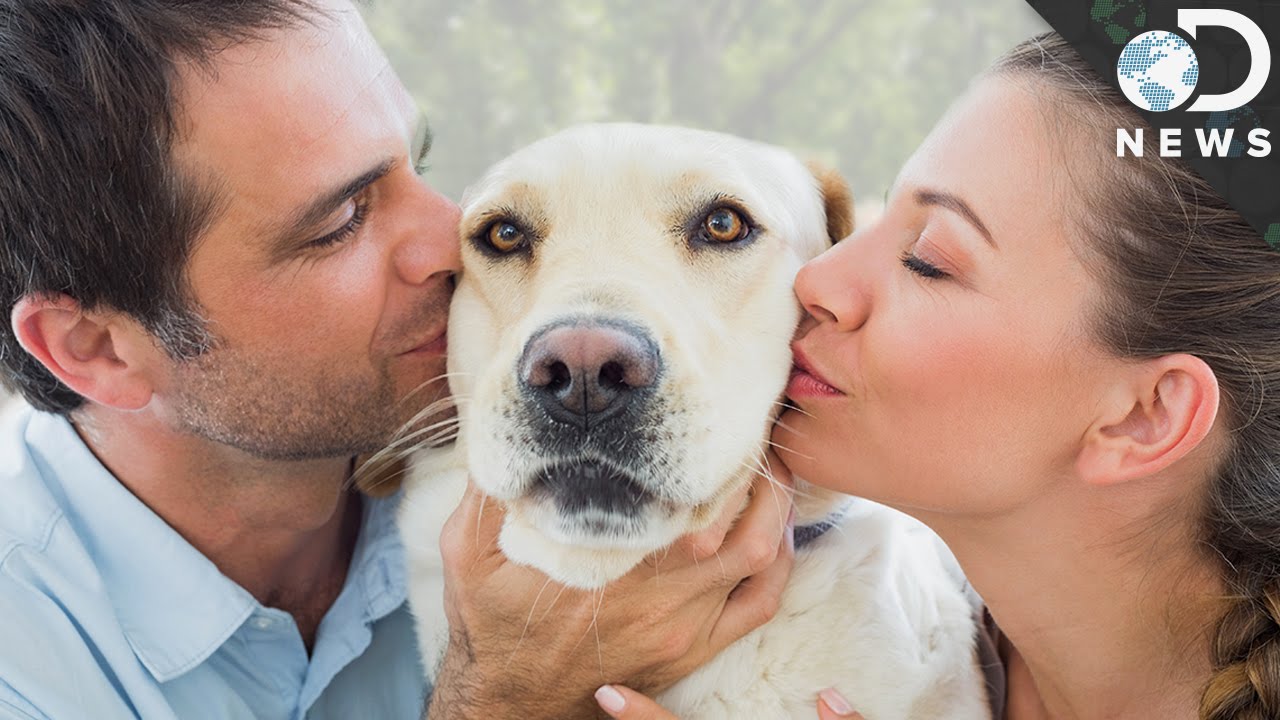
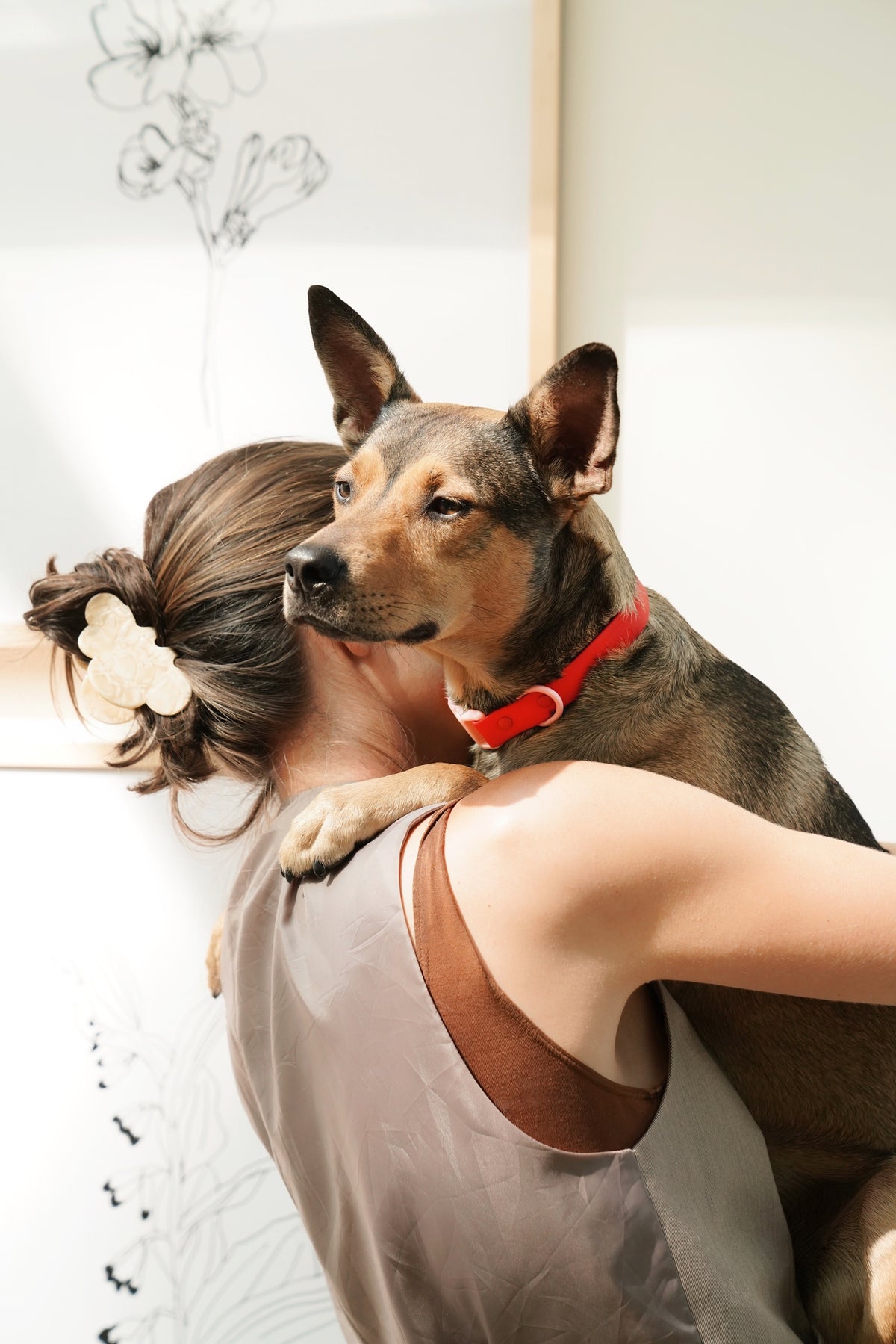
Affection is another major part of the answer to why do humans love dogs. Dogs often show affection through closeness, relaxed body language, greetings, play, and physical contact. People may respond with petting, praise, talking, and play.
These interactions can feel rewarding for both sides. Friendly touch and positive attention can help build trust over time. A dog that learns its person is safe and predictable may seek that person out more often.
The bond can grow through hundreds of small moments rather than one dramatic event. Feeding a dog, teaching a new cue, taking a walk, or sitting together on the couch can all become part of a shared relationship.

- ✦ Petting
Gentle touch can be a positive social activity when the dog enjoys it and feels comfortable.
- ✦ Play
Games create shared fun and give people and dogs a simple way to interact.
- ✦ Praise
Kind words and rewards can help build trust while also supporting good training.
- ✦ Closeness
Relaxing near one another can become a familiar part of the human-dog relationship.
Oxytocin and the Human-Dog Bond
Research on human-animal interaction has linked friendly human-dog interactions with changes in oxytocin, a hormone involved in social bonding. Eye contact and positive interaction may be part of this process. Oxytocin is only one piece of the picture, though, and it does not fully explain why every person loves dogs.
- ✦ Bonding system
Oxytocin is involved in social attachment and can change during positive interactions.
- ✦ Not the whole story
Human feelings toward dogs also depend on learning, memory, personality, culture, experience, and the dog’s behavior.
Dogs Can Make People Feel Needed and Responsible
A dog depends on its caregiver for food, water, exercise, safety, training, and medical care. That responsibility can give a person’s day more structure. It can also create a strong feeling that another living being relies on them.
This may be one reason why do humans love dogs even when dog ownership takes work. Caring for a dog asks people to think beyond themselves. For many owners, that daily role becomes an important part of life.
The responsibility is not always easy. Dogs can be expensive, messy, noisy, or demanding. A healthy bond comes from meeting the dog’s needs, not only from enjoying the pleasant parts of ownership.

- ✦ Purpose
Daily care can give owners useful tasks and a clear reason to maintain a routine.
- ✦ Responsibility
Caring for a dog requires planning, patience, and long-term commitment.
- ✦ Mutual trust
Consistent care can help a dog learn that its person is a safe and reliable source of support.
Dog Ownership Is a Long-Term Commitment
The emotional rewards of having a dog come with real duties. Before getting a dog, people should think about time, housing rules, exercise needs, training, food, grooming, and veterinary care. Love works best when it is matched with responsible care.
- ✦ Time
Dogs need regular attention, exercise, training, and social contact.
- ✦ Money
Food, routine veterinary care, supplies, grooming, and unexpected medical costs can add up.
Dogs Bring Play, Joy, and Positive Emotion Into Daily Life
Play is a big part of why do humans love dogs. Dogs often invite interaction through toys, movement, funny habits, and excited greetings. Their playful behavior can encourage people to stop what they are doing and enjoy the moment.
A dog can also turn simple activities into shared experiences. A walk around the neighborhood becomes an outing. A game of fetch becomes a social activity. Even a quiet afternoon can feel different when a dog is resting nearby.
This does not mean dogs make every day happy. They can also create stress when they are sick, poorly trained, fearful, or unable to have their needs met. The positive side of the bond grows when people understand and care for the whole animal.
- ✦ Play
Games give dogs mental and physical activity while giving people a fun way to interact with them.
- ✦ Humor
Dogs often show unusual or playful behaviors that people find amusing and memorable.
- ✦ Outdoor time
Dogs can encourage regular walks and outdoor activity as part of a normal routine.
Why Dogs Can Help Break Up a Stressful Day
A short walk, a game, or a few minutes of calm contact can create a useful break from screens and work. The benefit may come from the activity, the social interaction, or simply shifting attention to something outside the task at hand.
- ✦ A change of pace
Dog care creates natural breaks during the day.
- ✦ Shared activity
Walking and playing can combine movement with social connection.
Dogs Can Offer Comfort During Difficult Moments
Many people also love dogs because dogs can be comforting. A familiar dog may stay close when its person is upset or quiet. While dogs cannot understand every human problem, they can notice changes in behavior and respond to some emotional cues.
The comfort can be very simple. Sitting beside a dog, stroking its fur, or taking it for a walk can give a person something steady to focus on. For some people, these small acts can make a difficult day feel more manageable.
It is important not to treat a dog as a replacement for professional mental health care or human support. Dogs can be a valuable part of a support system, but people with serious or lasting emotional problems may need help from qualified professionals.
- ✦ Familiar presence
A trusted dog can provide a calm and familiar presence during stressful moments.
- ✦ Physical contact
Gentle contact can feel soothing when the dog welcomes it.
- ✦ Routine
Dog care can keep basic daily activities moving even on hard days.
Can Dogs Sense Human Emotions?
Dogs can detect many changes in human behavior and body language. They may react differently when a person sounds upset, moves in a different way, or changes a familiar routine. This is better understood as sensitivity to cues than as proof that dogs understand complex human emotions exactly as people do.
- ✦ Behavioral clues
Dogs can notice changes in voice, movement, posture, and routine.
Dogs Help Humans Connect With Other People
A dog can also act as a social bridge. People who might never speak to one another may start a conversation during a neighborhood walk. Dog parks, training classes, rescue groups, and pet events can create natural chances to meet other dog owners.
This is another useful part of the answer to why do humans love dogs. People do not only bond with the dog. They may also build new human relationships through shared interest in dogs.
In the United States, dog-friendly parks and neighborhoods can make this effect easy to notice. A person walking a friendly dog may receive greetings, questions, or comments that would not happen without the dog.
- ✦ Conversation
Dogs often give strangers an easy topic for starting a friendly conversation.
- ✦ Community
Training classes, parks, and dog groups can bring people together around a shared interest.
- ✦ Shared responsibility
Dog owners often exchange advice about walks, training, care, and local pet resources.
Dogs Can Create a Sense of Belonging
Regular walks can make people familiar faces in their neighborhoods. Over time, seeing the same people and dogs can create a small social network. For some owners, that routine becomes an important source of community.
- ✦ Neighborhood ties
Regular walks can increase casual contact with nearby people.
Why Do Humans Love Dogs More Than Some Other Animals?
Dogs have several traits that make close human relationships easier. They are social, responsive to training, adaptable to many homes, and often highly motivated to interact with people. Humans have also shaped dogs through selective breeding for many different roles and temperaments.
Dogs can live with people in many settings. Some are happy in an apartment with regular walks, while others need a large yard and much more exercise. This range of sizes, behaviors, and working abilities has helped dogs become part of many different human lifestyles.
Still, not everyone loves dogs. Some people prefer cats or other animals. Others may have had a bad experience with a dog, lack the time needed for care, or simply feel little interest in dogs. The human-dog bond is common, but it is not universal.
- ✦ Social nature
Dogs often seek interaction and can form close relationships with their caregivers.
- ✦ Trainability
Many dogs can learn human cues, household rules, and useful behaviors.
- ✦ Adaptability
Different breeds and individual dogs can fit a wide range of human activities and living situations.
- ✦ Long history with people
Thousands of years of close contact have shaped dogs into animals that often thrive around humans.
Love for Dogs Is Personal Too
Biology and history do not explain every person’s feelings. Childhood experiences, culture, personality, lifestyle, and past interactions with animals can all shape how someone feels about dogs. That is why there is no single reason that explains every human-dog relationship.
- ✦ Personal history
Positive or negative experiences with dogs can shape later attitudes.
- ✦ Lifestyle
A person’s home, schedule, and interests can affect whether living with a dog feels appealing.
What Makes the Human-Dog Bond So Strong?
The strongest dog-human bonds usually grow from repeated positive experiences. A dog learns that its person provides food, safety, guidance, play, and care. The person learns the dog’s habits, signals, personality, and needs.
Trust grows through consistency. A dog that receives clear rules, gentle handling, enough exercise, and proper care has more reason to feel safe. In the same way, people tend to trust dogs more when dogs behave predictably and respond well to training.
This helps answer why do humans love dogs in a deeper way. People are not simply reacting to an animal’s appearance. They are building a relationship through time, shared routines, communication, affection, and memories.
- ✦ Consistency
Predictable care and clear rules can help a dog feel safe and help people understand their dog’s behavior.
- ✦ Positive interaction
Play, rewards, gentle touch, and calm attention can strengthen a healthy relationship.
- ✦ Understanding
Learning canine body language helps people respect a dog’s comfort and boundaries.
- ✦ Shared memories
Trips, walks, training milestones, and everyday routines can become meaningful memories.
How Owners Can Build a Healthier Bond With Their Dogs
A strong bond does not require constant attention. It comes from quality time and good care. Short training sessions, regular walks, calm interaction, play, and respectful handling can all help.
- ✦ Learn body language
Notice signs that your dog is relaxed, excited, worried, or uncomfortable.
- ✦ Use reward-based training
Rewarding desired behavior can teach useful skills while keeping training positive.
- ✦ Meet basic needs
Provide proper food, exercise, sleep, veterinary care, mental stimulation, and safe shelter.
- ✦ Respect boundaries
Do not force hugs, handling, play, or interaction when a dog shows signs of discomfort.